
4 Spring Flower Spots Along the Kumano Kodo: Enjoy Cherry and Plum Blossoms on Your Pilgrimage
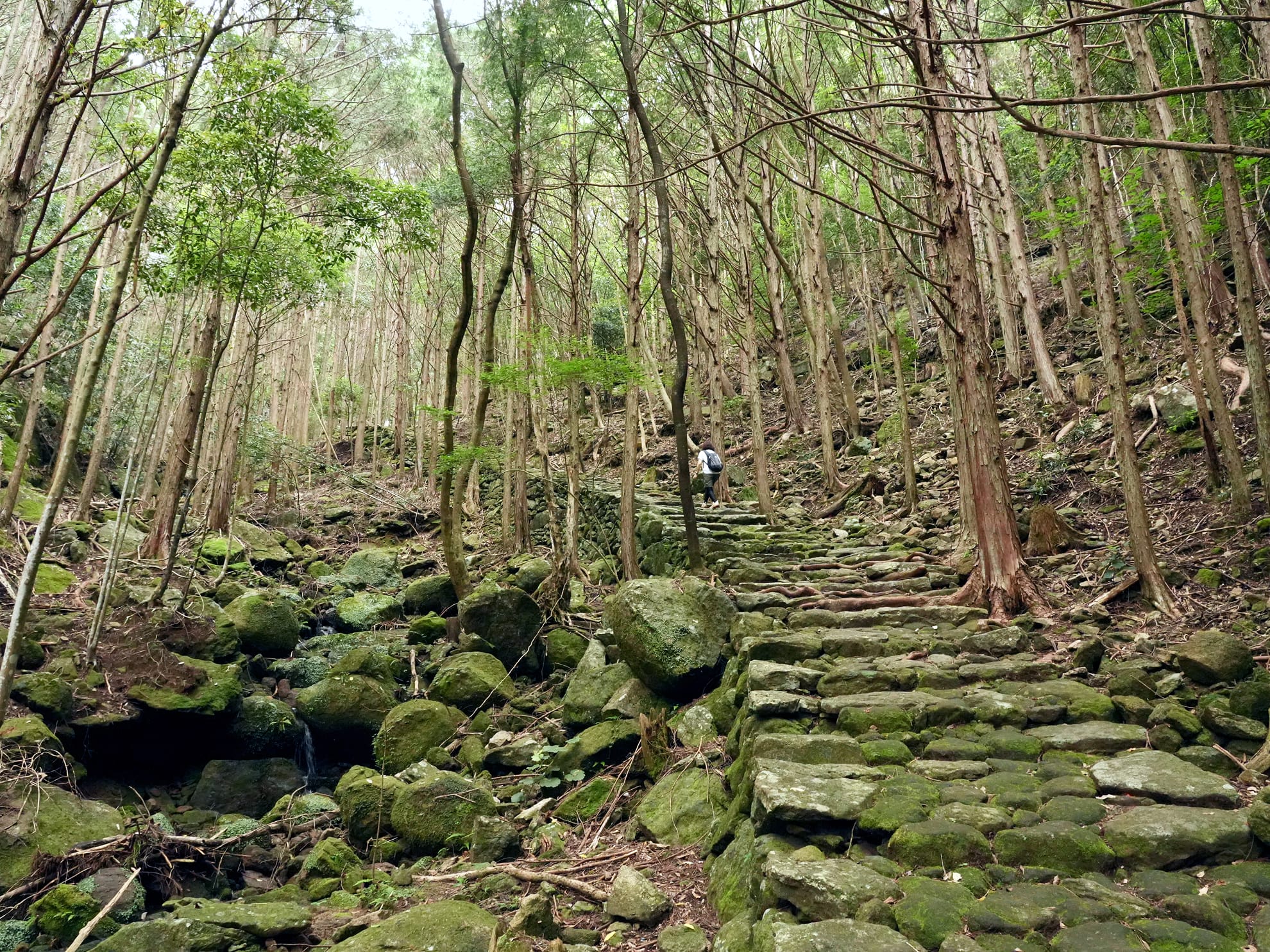
Combine a walk along the Kumano Kodo with visits to cherry and plum blossom spots in spring, and you can experience both this UNESCO World Heritage route and the beauty of seasonal flowers at once. Here are four notable cherry and plum blossom destinations to visit around the Kumano Kodo in Wakayama, Mie, and Nara.
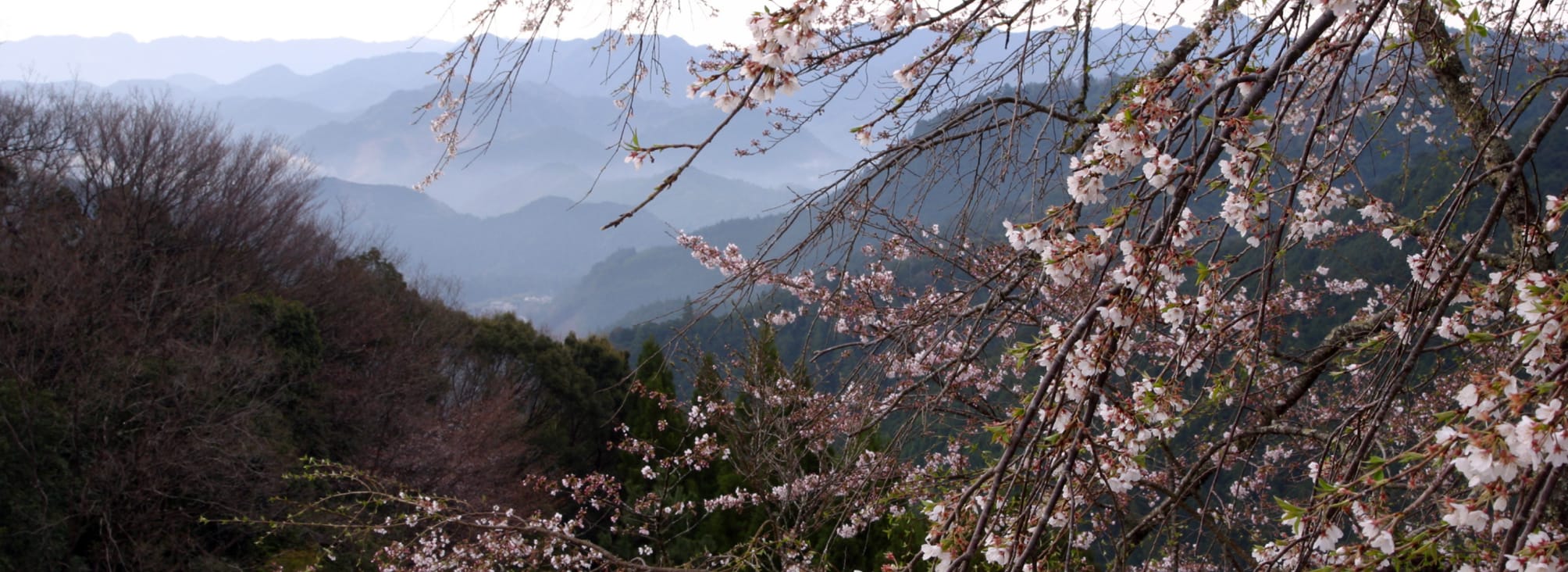
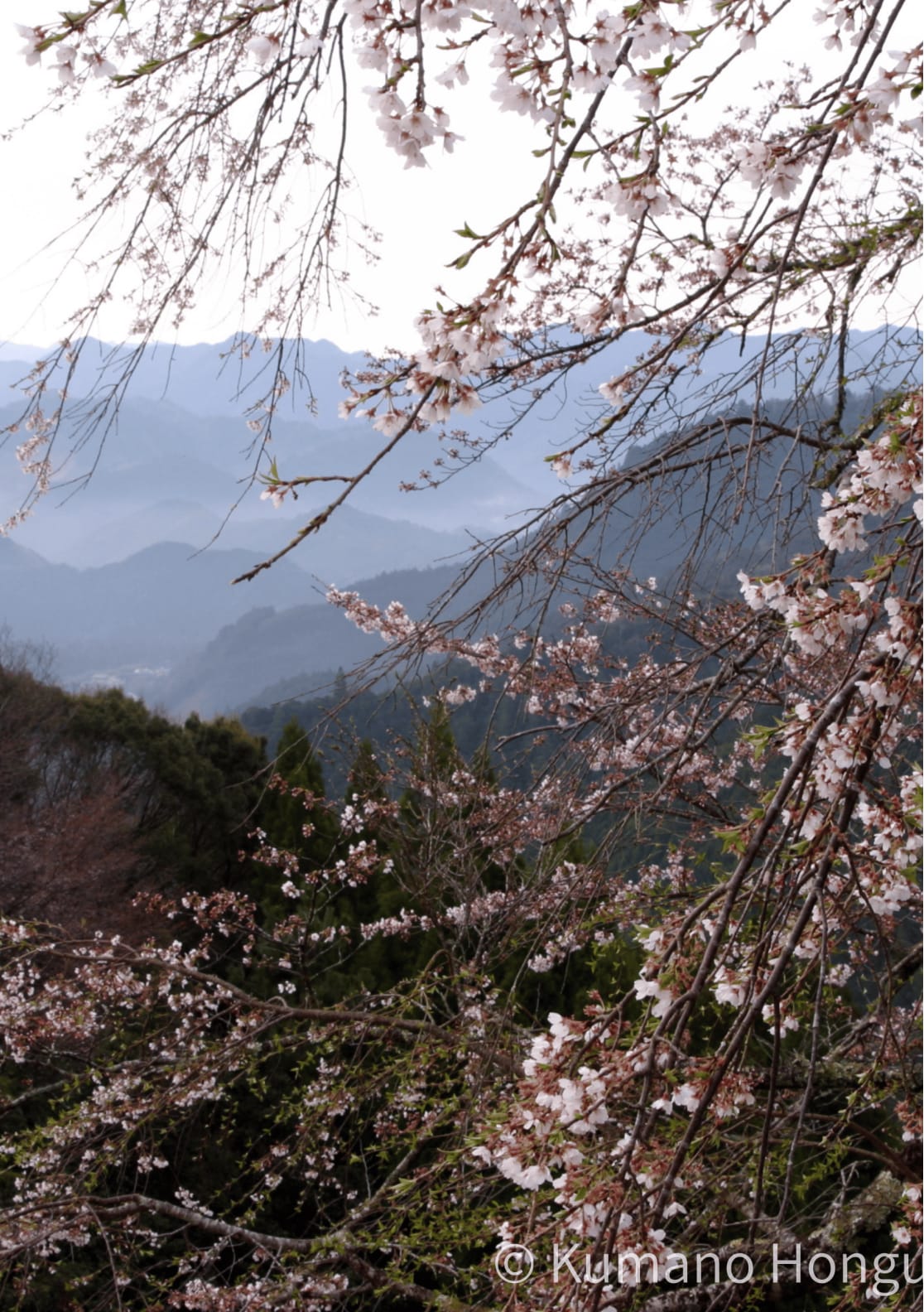
Perched above the Kumano River in Hongu-cho, Tanabe City, Nanakoshi-mine offers panoramic views across the water to Kumano Hongu Taisha. Come late March, the hillsides erupt in waves of pale pink—some 1,000 cherry trees in bloom, including Somei Yoshino, weeping cherries, and clusters of native Kumano cherries. As part of the Sacred Sites and Pilgrimage Routes in the Kii Mountain Range, this UNESCO World Heritage landscape becomes one enormous canvas of blossoms each spring.
Getting There: To get there by public transport, take a Kumano Gobo Nankai bus or Nara Kotsu bus from JR Shingu Station (about 60 minutes) and get off at Hongu Taisha-mae. From JR Kii-Tanabe Station, it's roughly a two-hour bus ride. If you're driving, park at the Kumano Hongu Heritage Center.
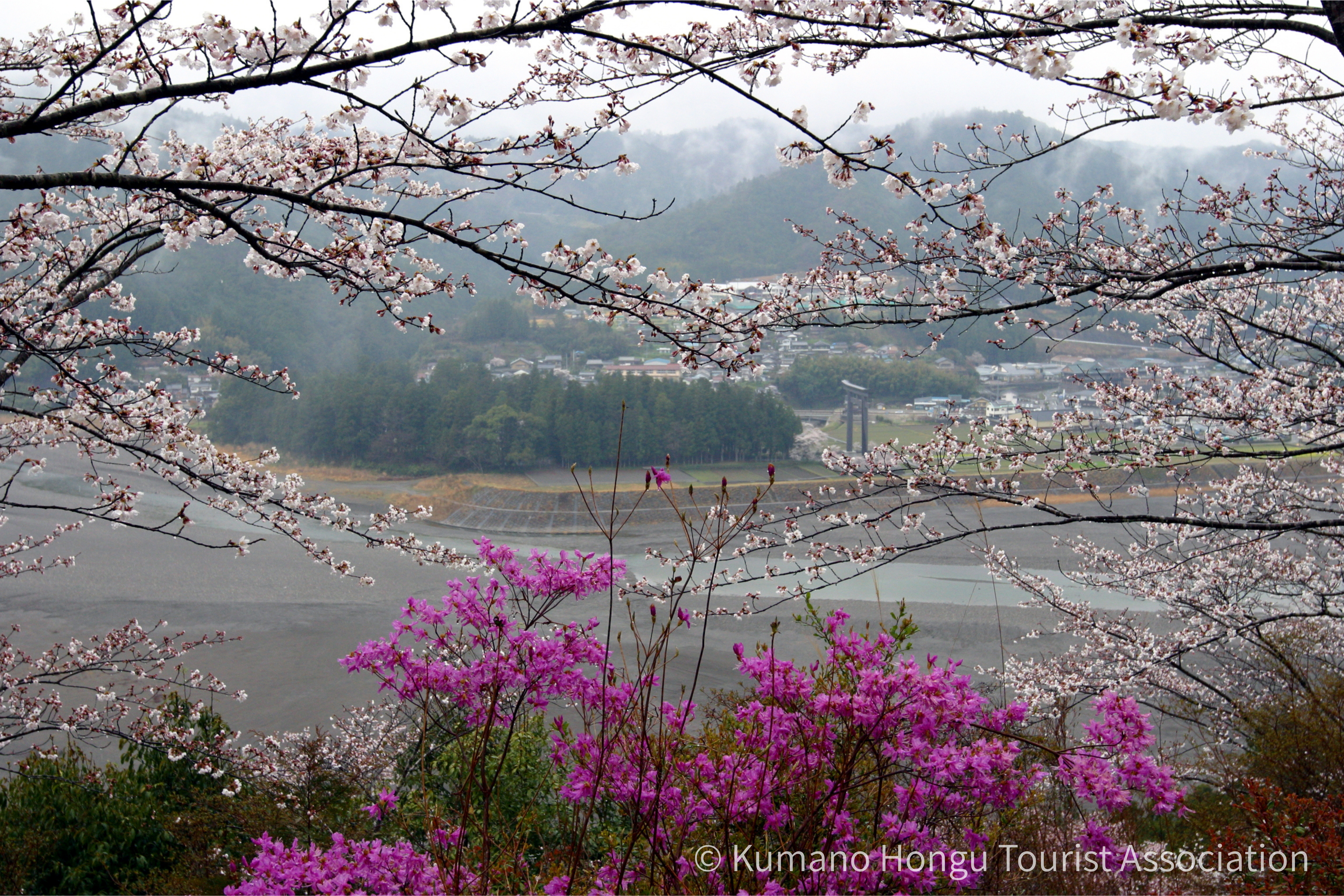
Just downriver, you'll find Oyunohara—the original site of Kumano Hongu Taisha. A massive torii gate (34 meters high, 42 meters wide) marks this sacred ground, and in early April, cherry blossoms frame the towering structure in pink. It's become one of the region's most photographed spring scenes, and for good reason.
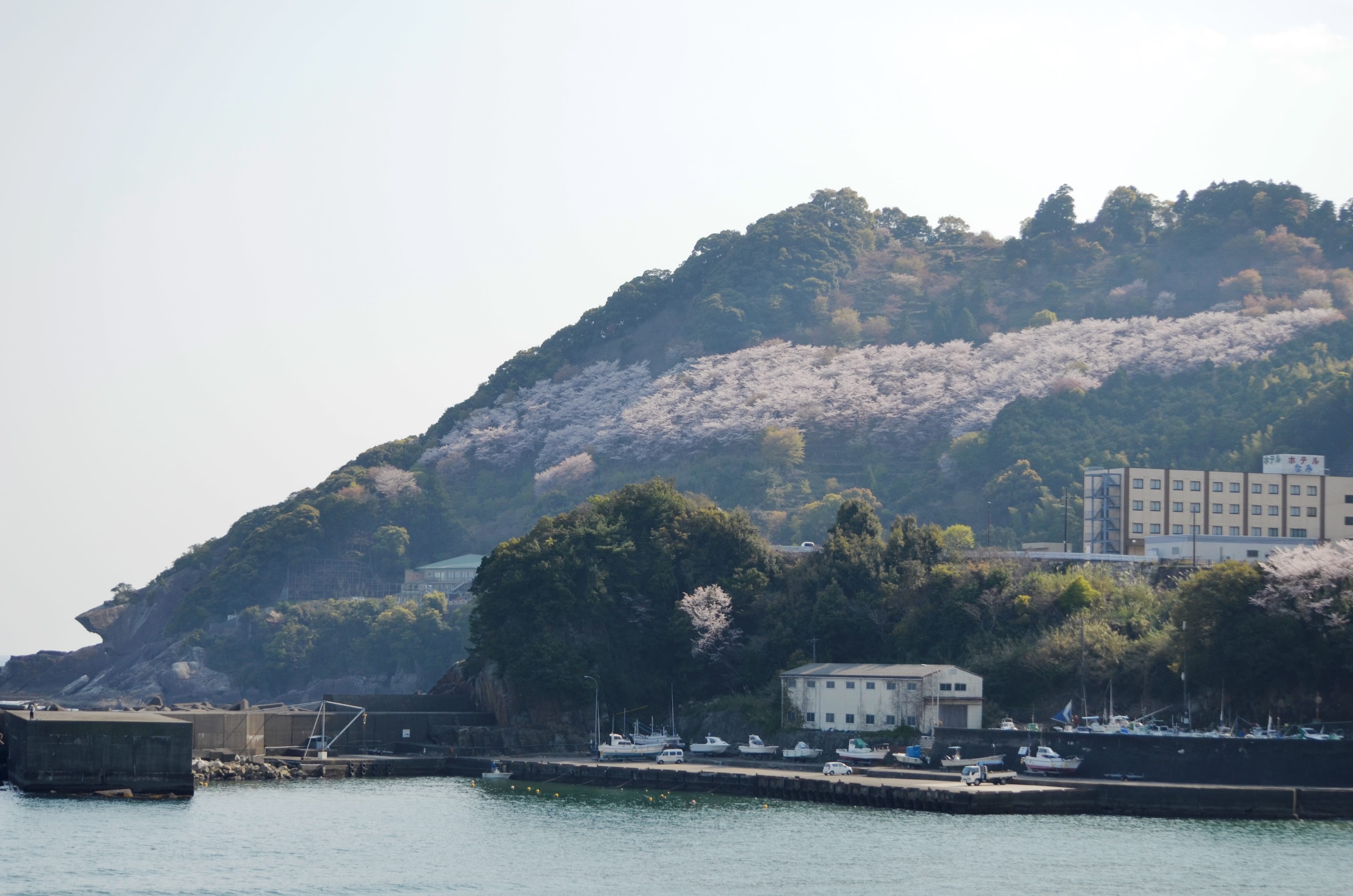
Onigajo in Kumano City, Mie Prefecture, is a dramatic stretch of sea-carved cliffs known for its rugged rock formations and sweeping coastal views. Found along the Iseji section of the World Heritage Kumano Kodo, it ranks among the region’s most striking natural highlights. Roughly 2,000 cherry trees line the trail stretching from the Onigajo parking area to Matsumoto-toge Pass, earning it the name Road of Cherry Blossoms. Several varieties—such as Kanhi-zakura, Somei Yoshino, Yaezakura, and Oshima-zakura—bloom one after another from late February to early April, extending the viewing season. The dramatic seaside rock formations, paired with drifting petals and a walk along the historic trail, make this a particularly popular stop.
Getting There: From Kumano-shi Station on the JR Kisei Main Line, a five-minute bus ride brings you to Onigajo Higashiguchi. If you are driving, it is roughly three minutes from the Kumano-odomari Interchange (IC) on the Kisei Expressway via Route 42. As buses run infrequently, be sure to check the schedule ahead of time.
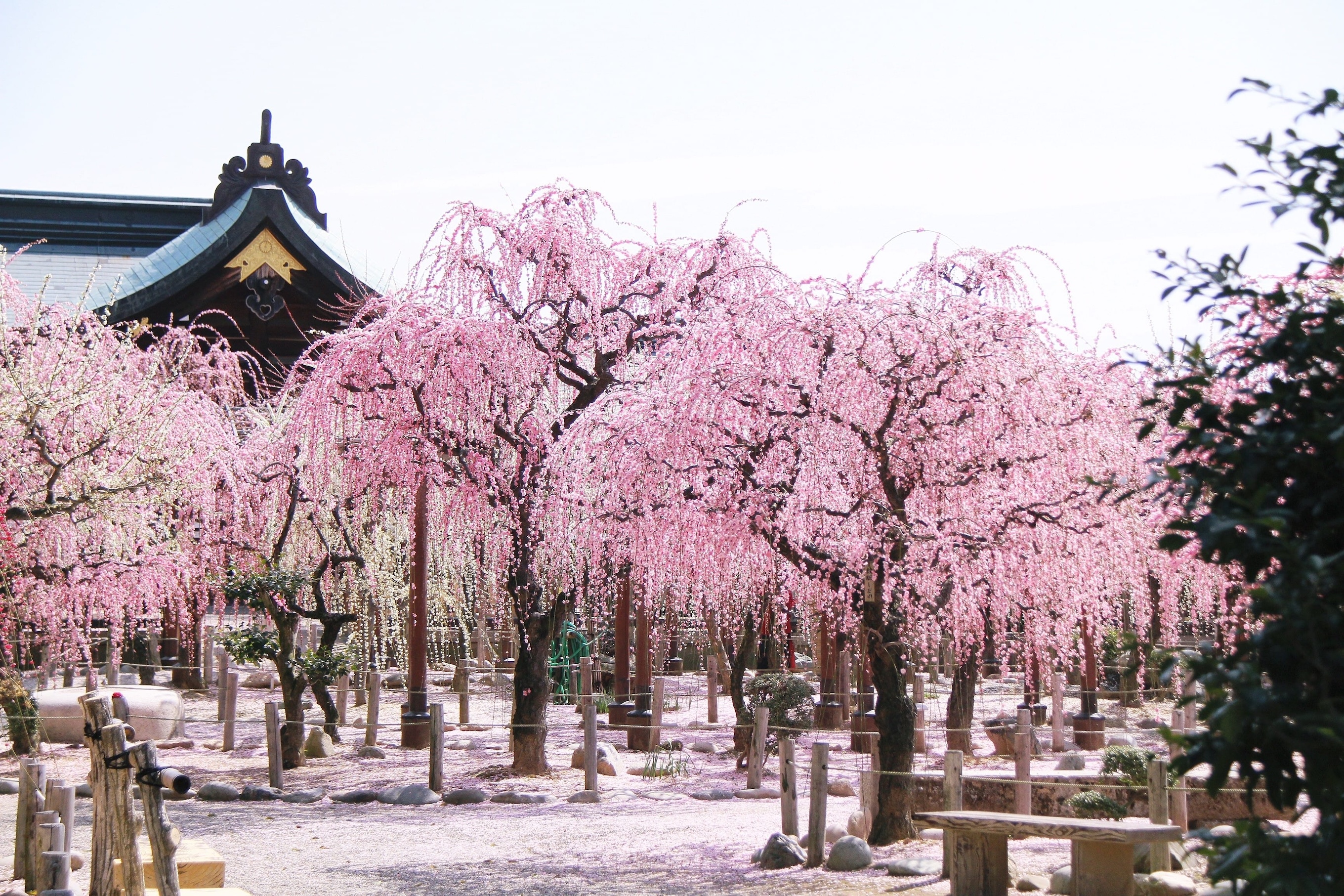
Yuki Shrine in Tsu City, Mie Prefecture, honors Yuki Munehiro, a warrior of the Nanbokucho period (1336 to 1392). The shrine grounds feature approximately 300 weeping plum trees alongside many other plum varieties which peak in mid-February and remain beautiful until mid-March, with the weeping plums reaching their height in early March. Visitors especially enjoy walking beneath the vibrant canopy of flowers and seeing the ground blanketed with petals as they fall. For those exploring the Kumano Kodo area, it offers a rewarding early-spring detour before the cherry blossoms arrive.
Getting There: From the east exit of Tsu Station on the JR and Kintetsu lines, a local bus takes about 20 minutes to Yuki Jinja-mae. If you are driving, it is roughly 15 minutes from the Tsu Interchange (IC) on the Ise Expressway, and the shrine offers free parking for around 200 cars.
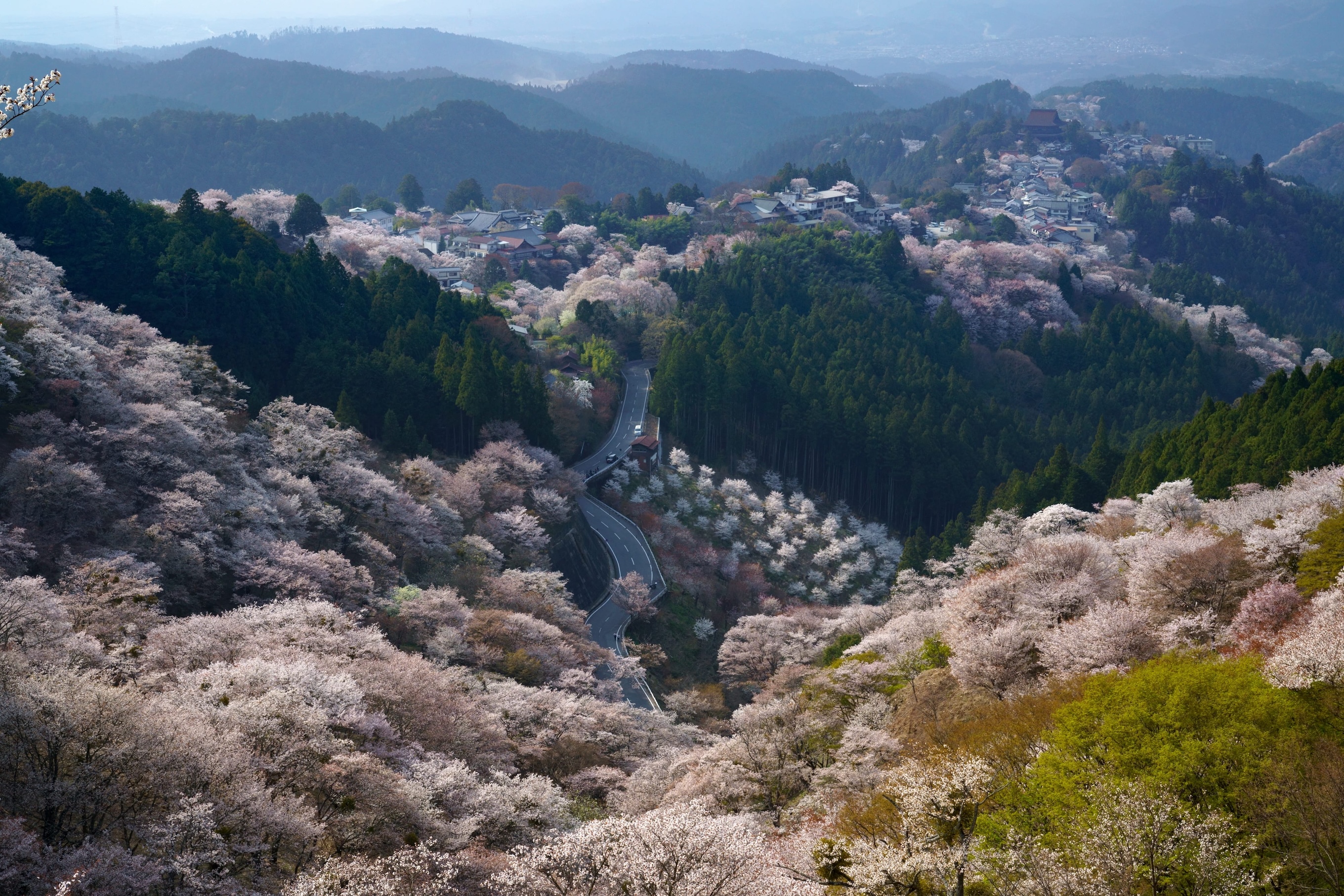
Yoshinoyama in Nara Prefecture ranks among Japan’s most iconic cherry blossom sites. Around 30,000 trees representing some 200 varieties—led by shiroyamazakura, a wild mountain cherry prized for its soft white blossoms and graceful, natural shape—flower gradually up the slopes. The blossoms progress through four main viewing areas—Shimo Senbon (Lower Thousand), Naka Senbon (Middle Thousand), Kami Senbon (Upper Thousand), and Oku Senbon (Inner Thousand)—as they move from the foot of the mountain toward the summit.
The season typically stretches from early to late April, offering nearly a month of changing views. With mountain cherries making up about 80 percent of the trees, the blossoms create a soft, refined atmosphere. Seasonal evening illuminations add another layer of charm, making Yoshino a fitting finale after a journey along the Kumano Kodo.
Getting There: Kintetsu Yoshino Station serves as the main gateway. The ropeway runs between Senbonguchi Station and Yoshinoyama Station, just outside the main station. In peak blossom season, Nara Kotsu also operates temporary buses between Yoshino Station and Naka Senbon Park. Visitors arriving by car should review the most up-to-date details on seasonal traffic controls and temporary parking arrangements before setting out, as special regulations apply during the height of the bloom.
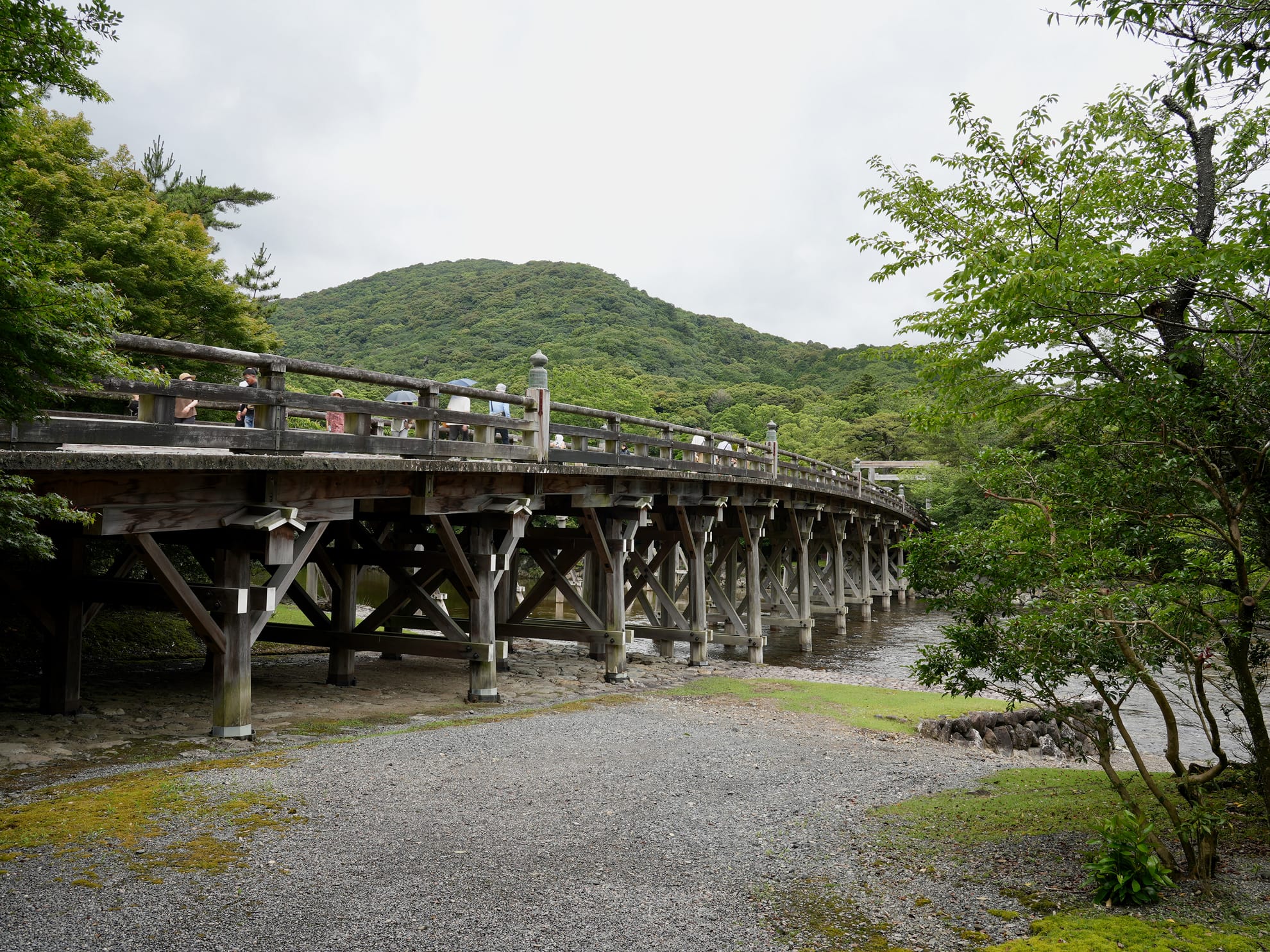
A spring walk along the Kumano Kodo offers more than the World Heritage trail itself. By making time for nearby highlights—cherry blossoms at Oyunohara and Onigajo, plum blossoms at Yuki Shrine, and the sweeping thousand-cherry vistas of Yoshinoyama—you can experience both the historic route and the season in full bloom. Be sure to confirm the latest updates on flowering conditions and access through official local and tourism websites before you travel.