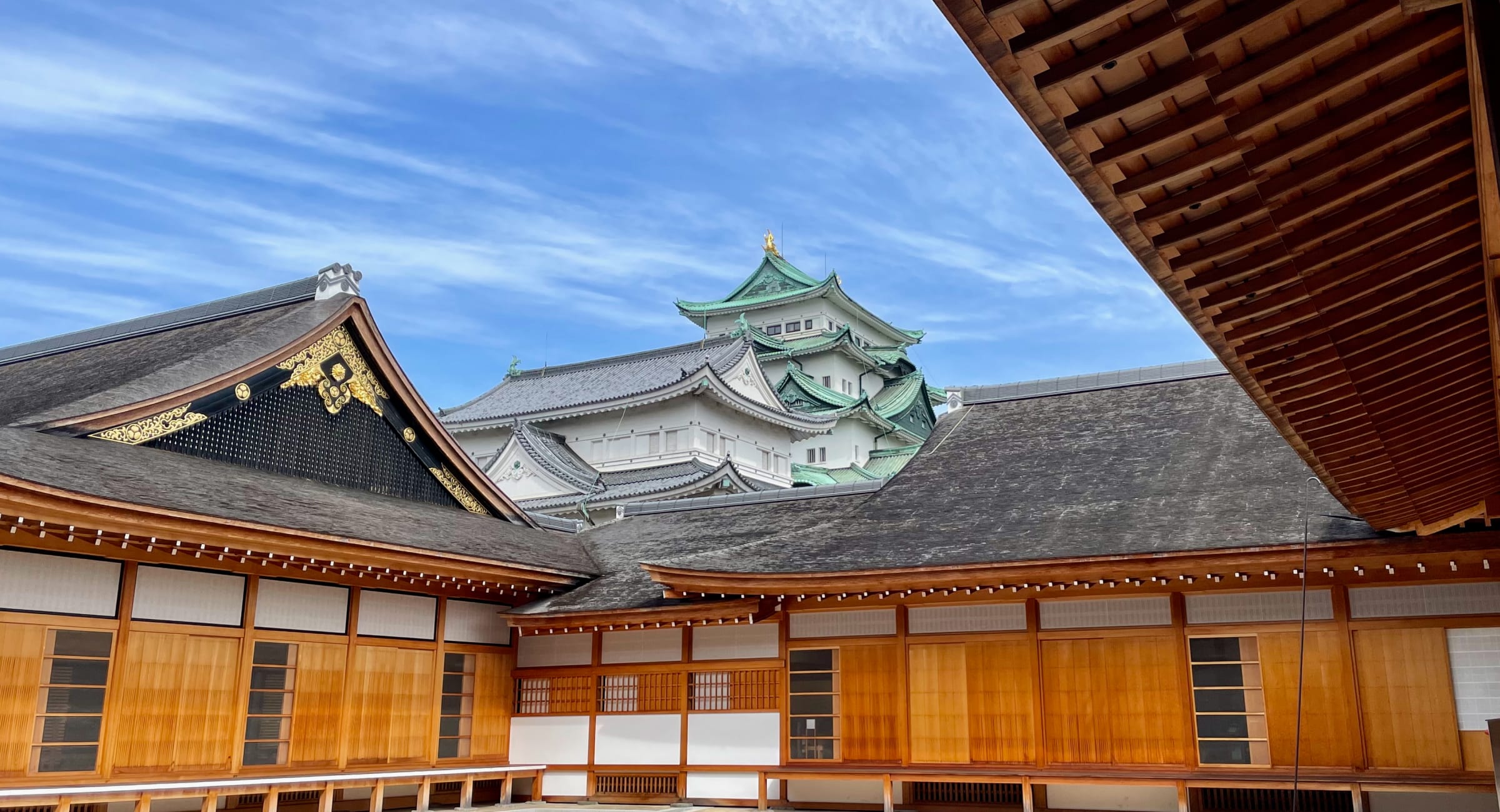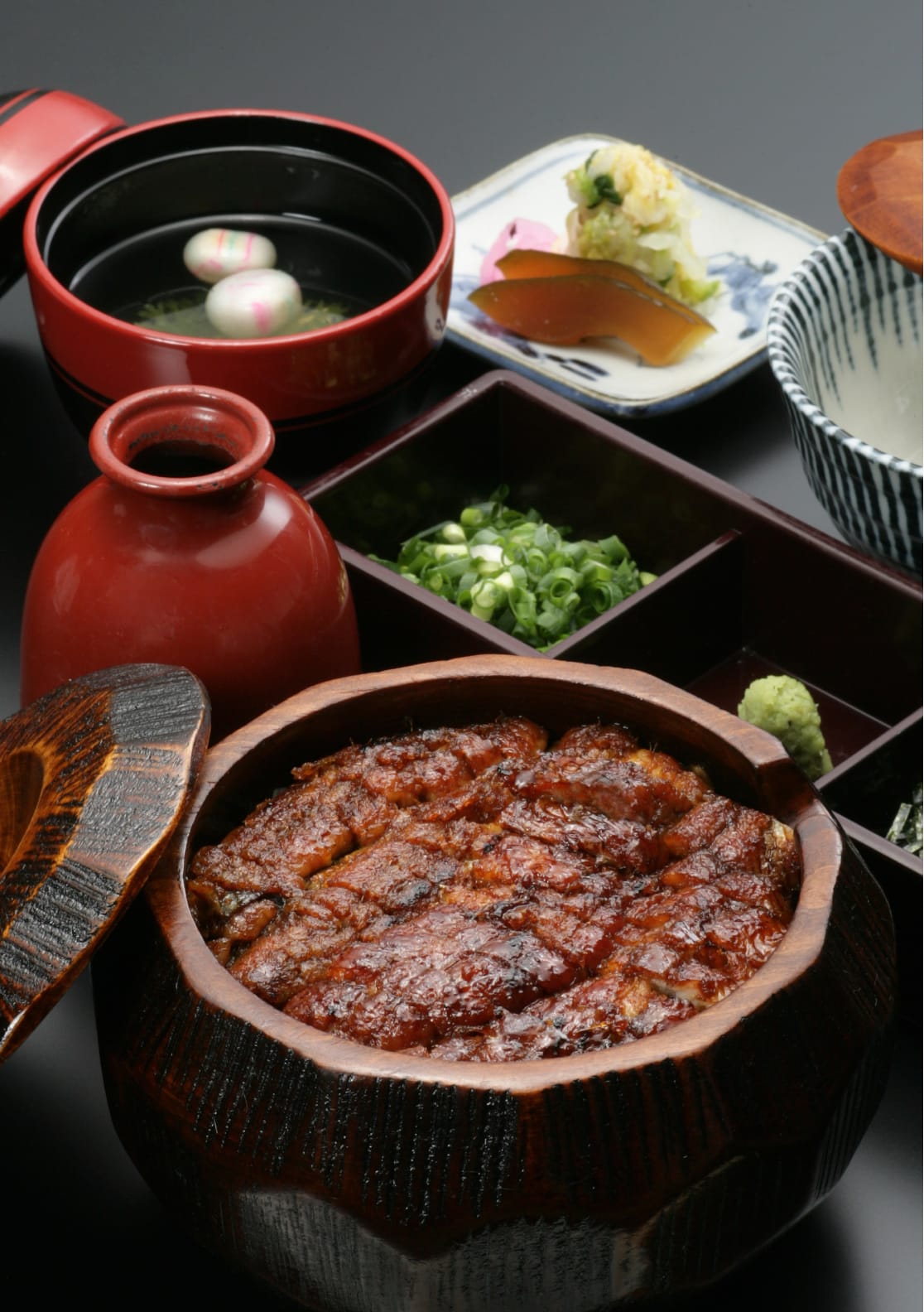
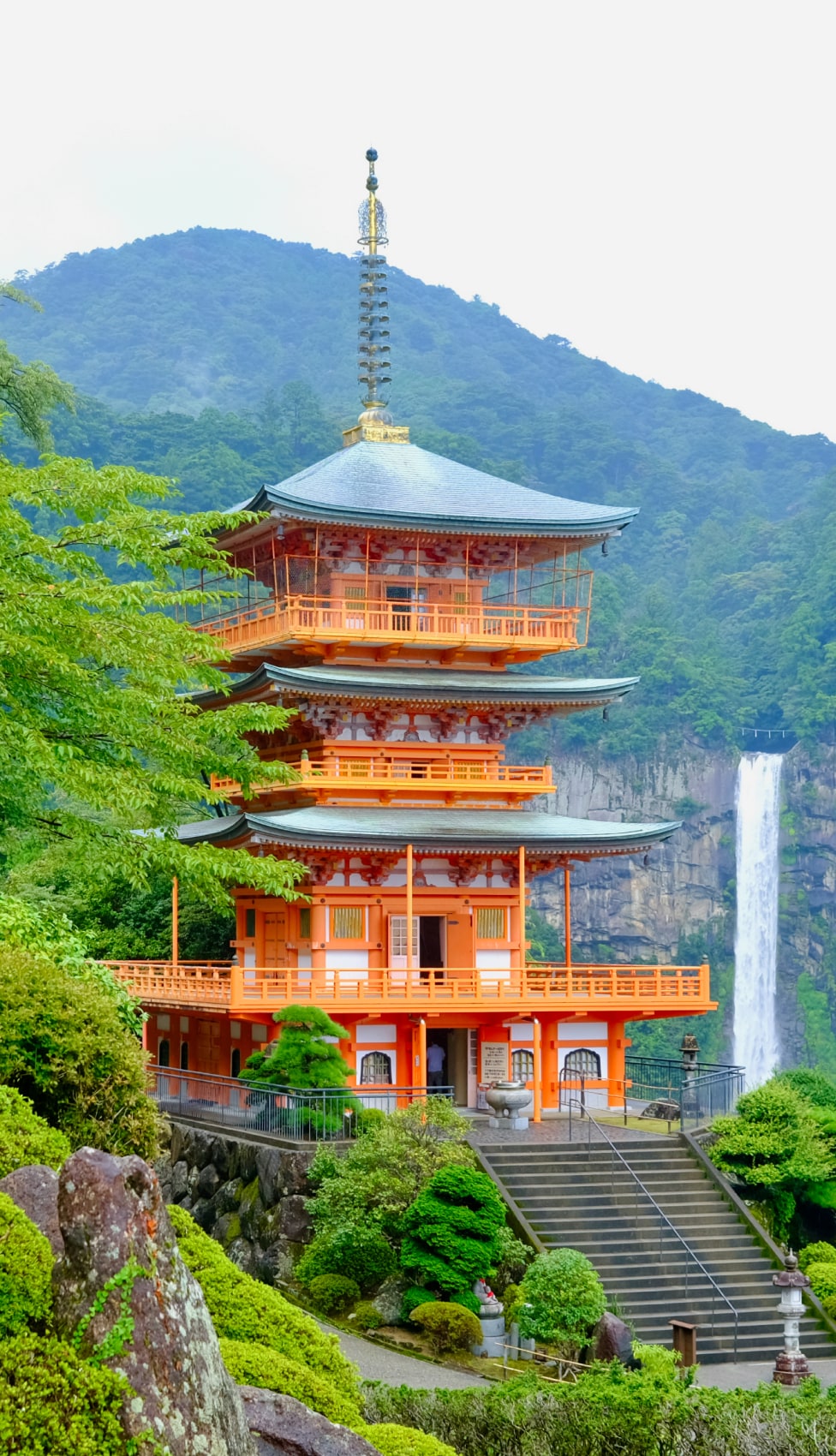
Once the stronghold of the Owari-Tokugawa clan, Nagoya carries the imprint of both battlefield and bureaucracy, a city where history is not preserved behind glass but lived in. Its castle, crafts, tea houses, and the unhurried lanes of its older quarters each open a different window onto that heritage. The tradition of chanoyu, the Japanese tea ceremony, runs deep here, from hidden garden tea rooms within the city to the tea fields of the surrounding region. Then there is the food, bold, distinctive, and unmistakably Nagoya's own. Before setting out on the Nakasendo or the Kumano Kodo, Nagoya rewards those who pause and look closely.
Once the stronghold of the Owari-Tokugawa clan, Nagoya carries the imprint of both battlefield and bureaucracy, a city where history is not preserved behind glass but lived in. Its castle, crafts, tea houses, and the unhurried lanes of its older quarters each open a different window onto that heritage. The tradition of chanoyu, the Japanese tea ceremony, runs deep here, from hidden garden tea rooms within the city to the tea fields of the surrounding region. Then there is the food, bold, distinctive, and unmistakably Nagoya's own. Before setting out on the Nakasendo or the Kumano Kodo, Nagoya rewards those who pause and look closely.
 Nagoya
Walk through Nagoya’s living history, from the grandeur of the Owari clan to bustling streets once traveled by samurai. Heritage and modern energy meet at every turn.
 Nagoya
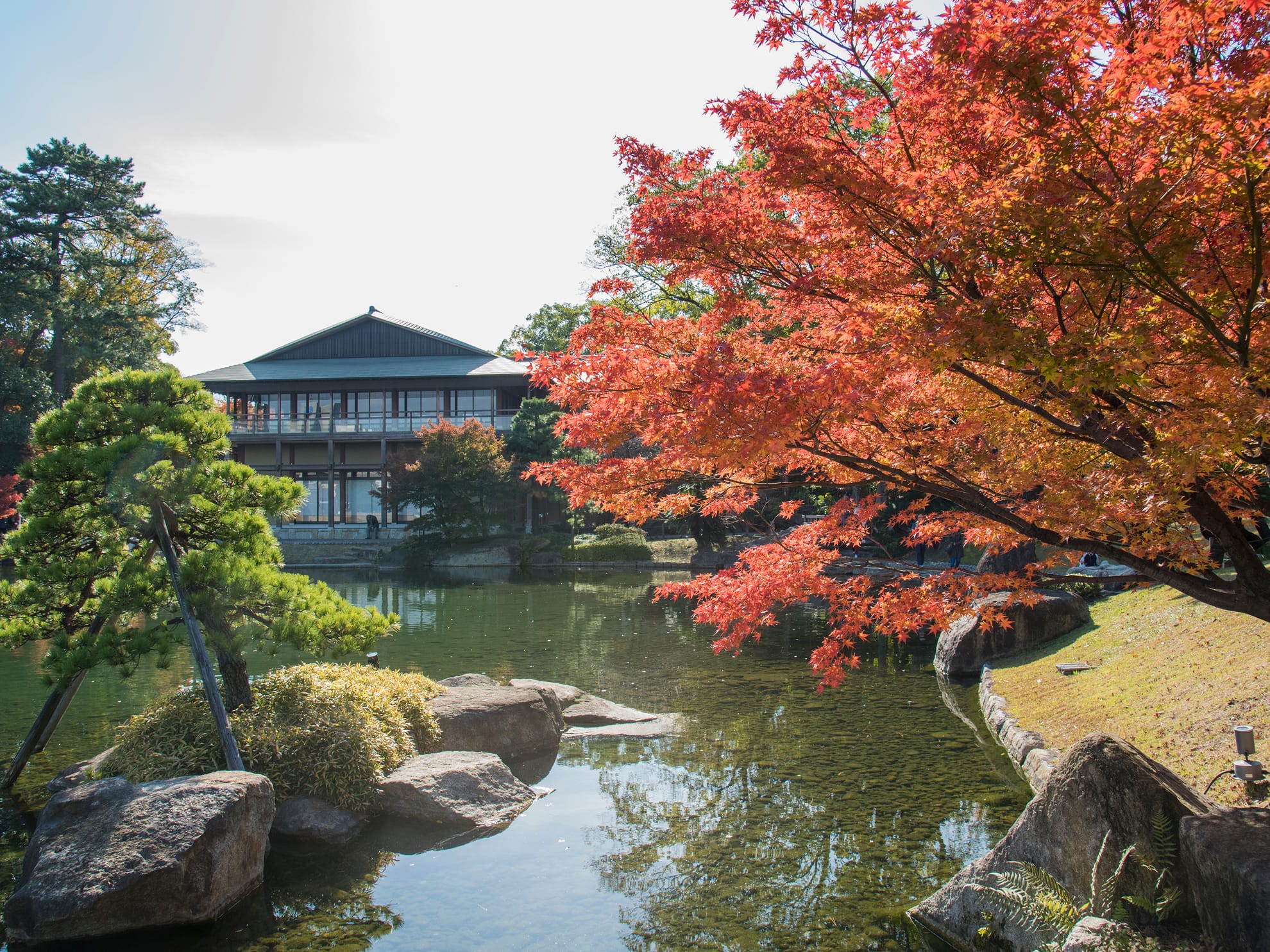
Along Japan’s historic roads, a bowl of matcha offers more than refreshment—it invites a quiet moment of focus and calm. In and around Nagoya, tranquil tea rooms provide the perfect setting to slow down, whisk bright green tea, and savor a tradition refined over centuries.
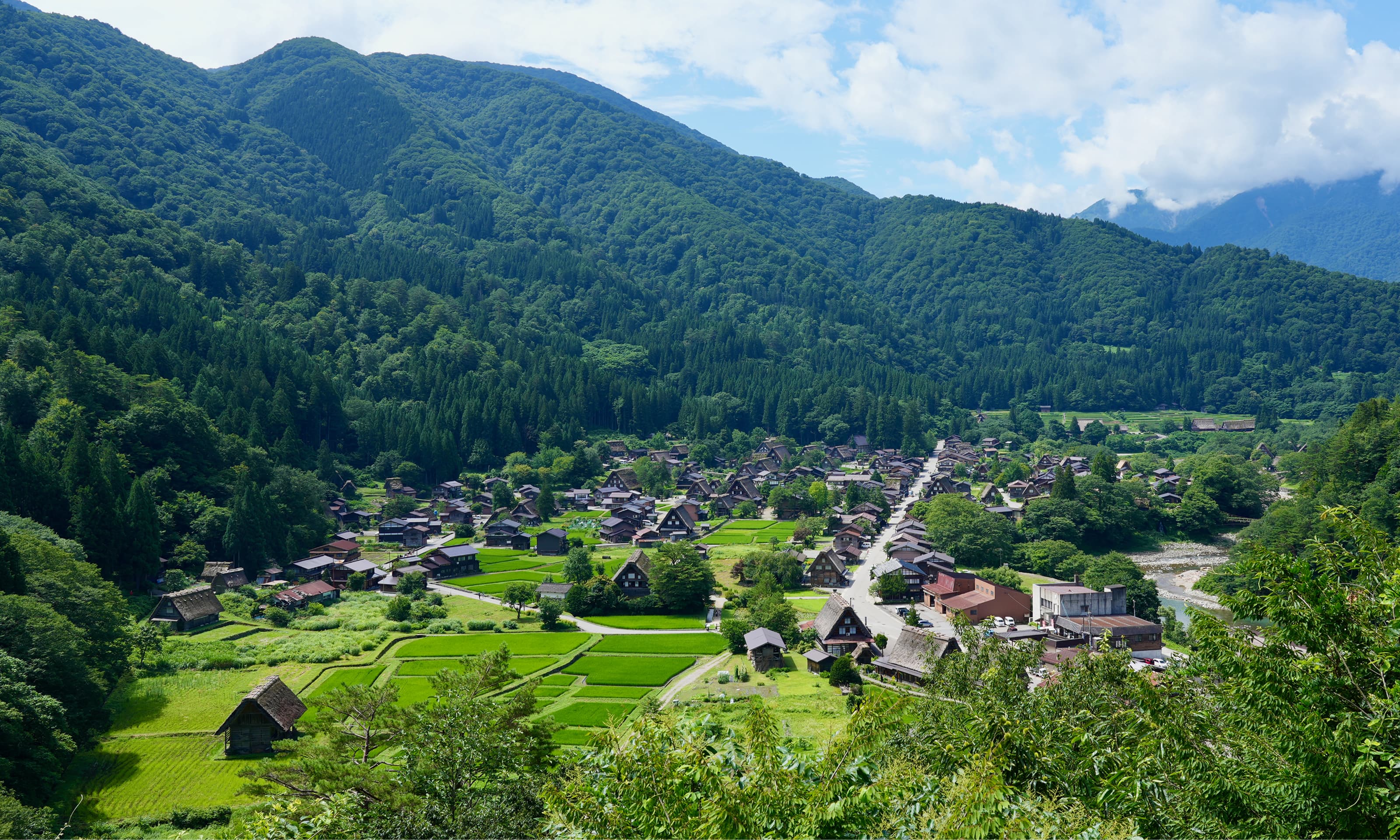
NagoyaFly with Finnair to Nagoya and explore Central Japan, from Magome and Tsumago on the Nakasendo to Takayama, Shirakawa-go, Ise, and Kumano, and experience Aichi's rich local culture.
Walk the Nakasendo or Kumano Kodo — Then Taste Nagoya’s Best