
 Nagoya
Savoring Matcha in Nagoya and Beyond: A Cultural Pause Along Japan’s Historic Roads
Nagoya stands at a crossroads, connecting two of Japan’s most storied historic routes: the Nakasendo and the Kumano Kodo. Once the thriving seat of the Owari-Tokugawa clan, the city still carries a living tradition of chanoyu, the tea ceremony, woven into everyday life.
For travelers following these ancient roads, Nagoya offers an ideal place to pause and reconnect with Japanese culture. There is no better way to spend this time than by enjoying a bowl of matcha in a serene space. Here are three exceptional locations in and around Nagoya where you can experience the essence of Japanese culture through tea.
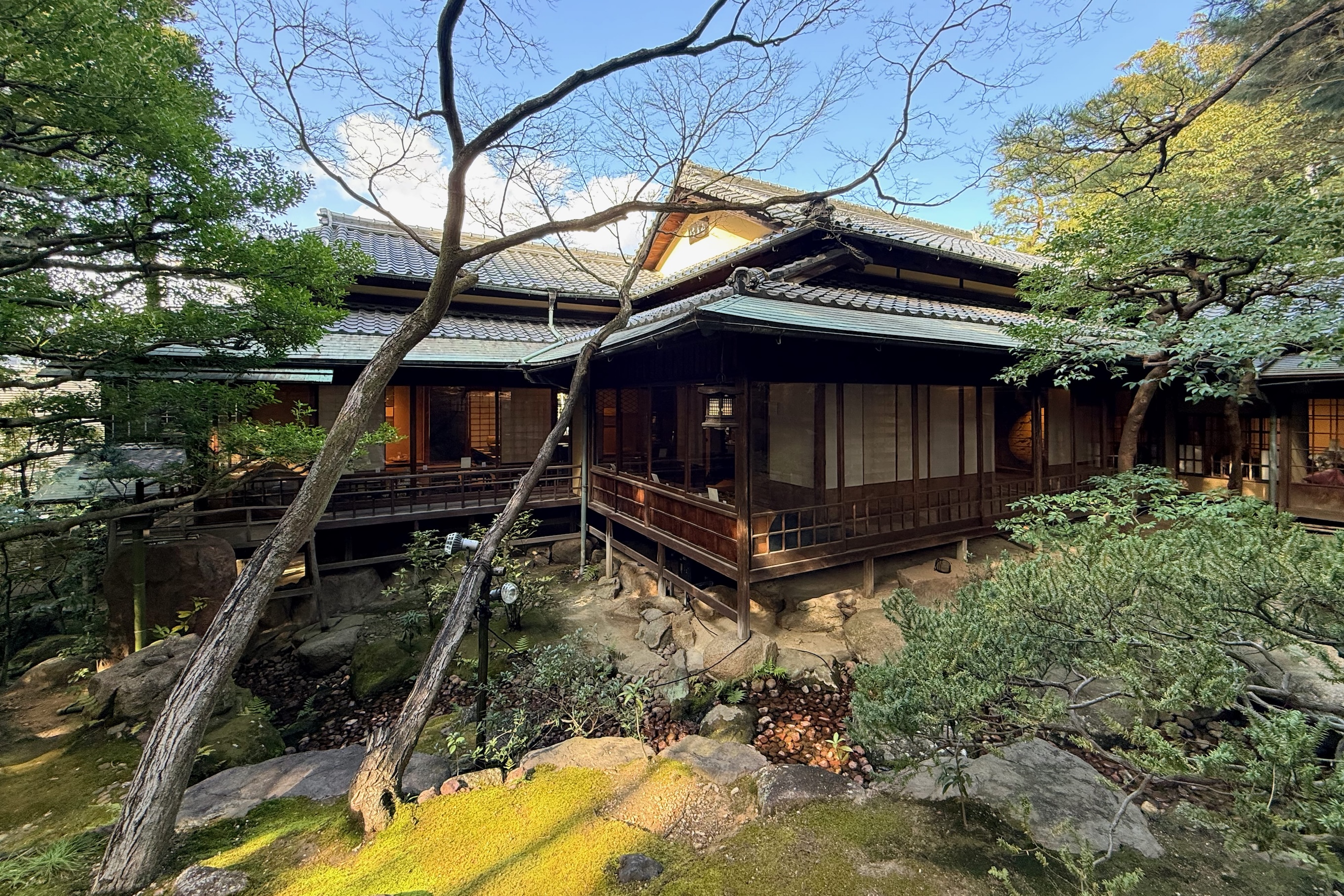
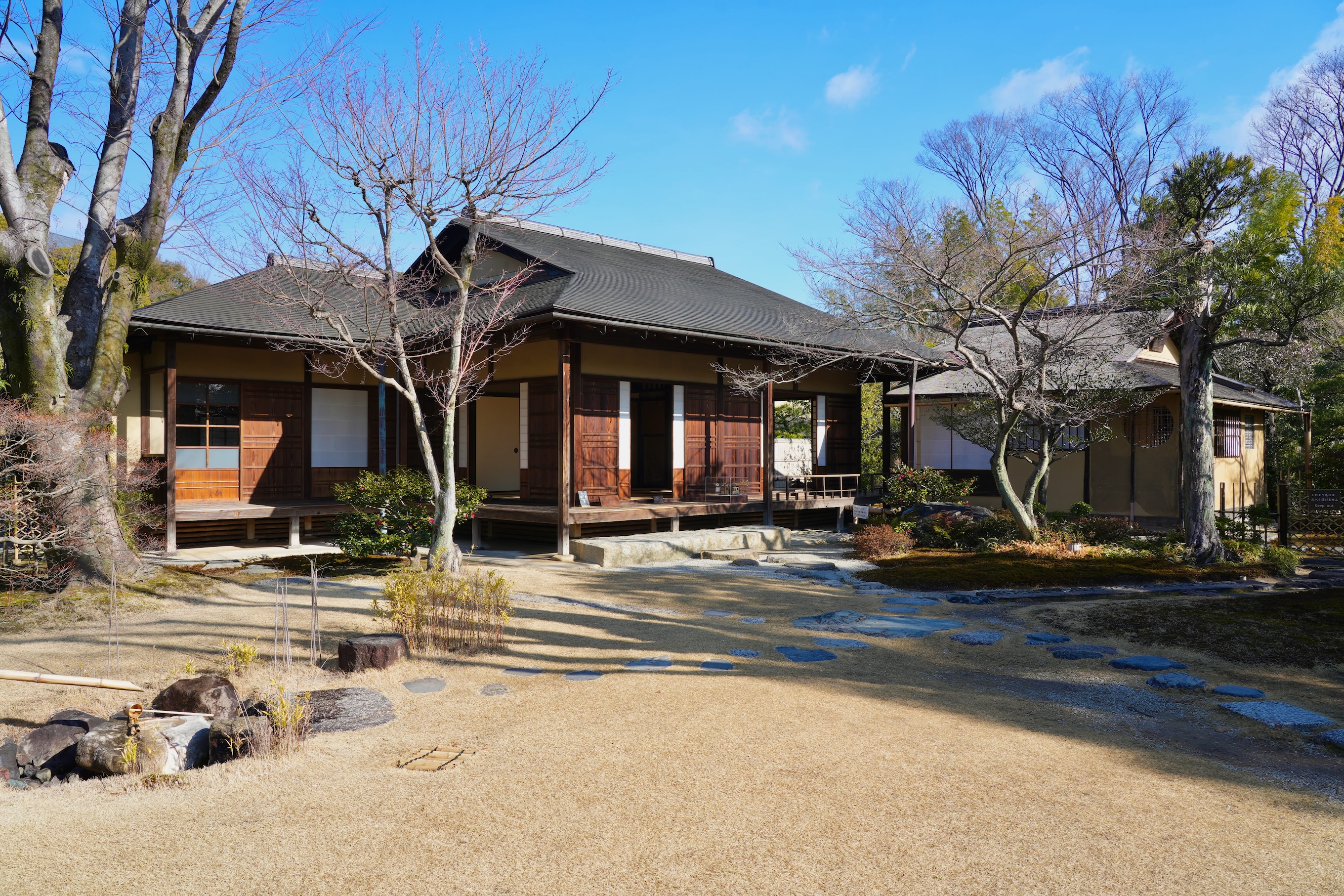
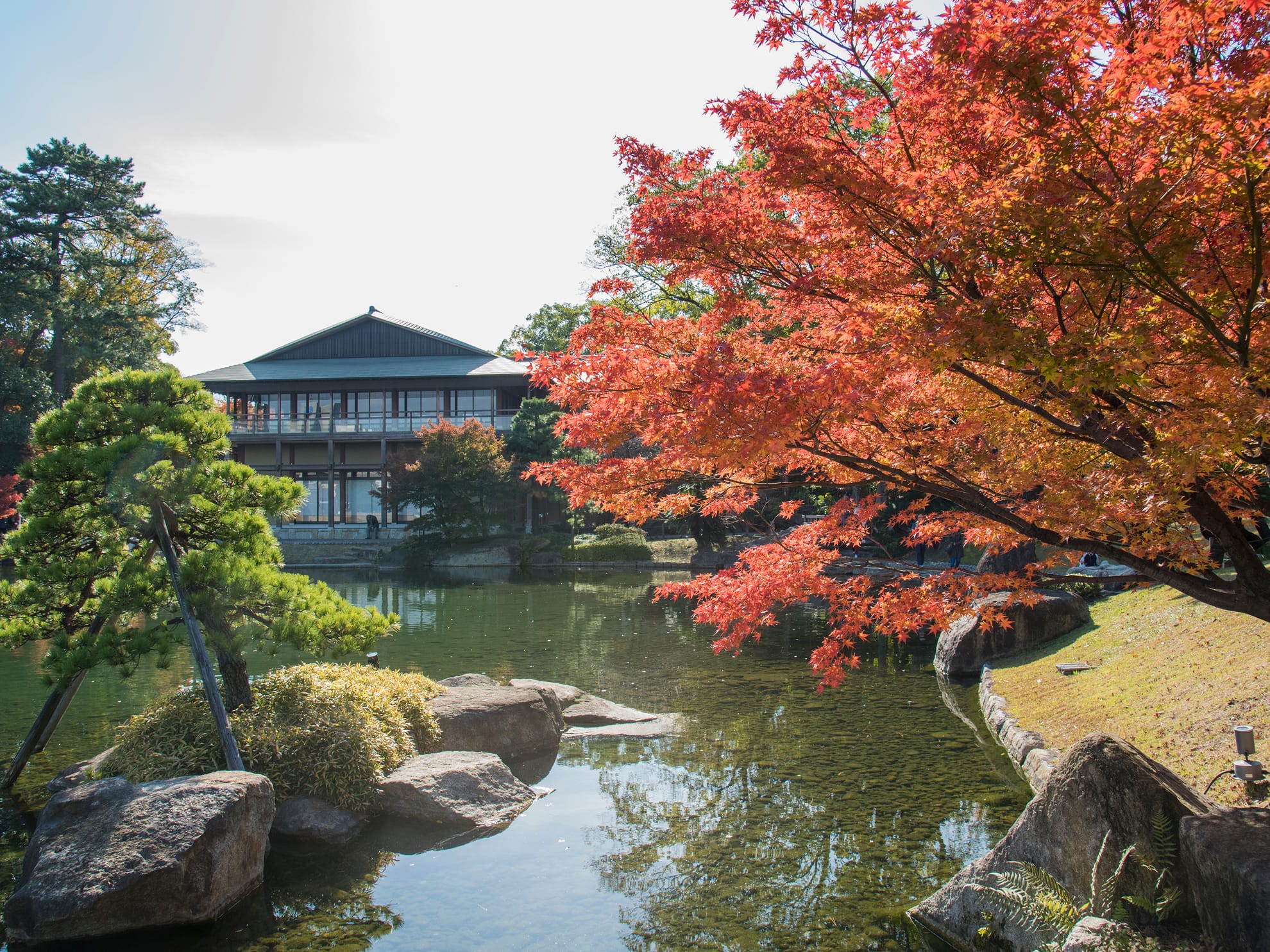
Just 15 minutes by subway from Nagoya Station, the Tamesaburo Memorial Museum sits quietly in the Kakuozan district.
The museum serves as an annex to the Furukawa Art Museum — once the home of businessman Furukawa Tamesaburo — and it houses a private collection amid elegant gardens and traditional architecture.
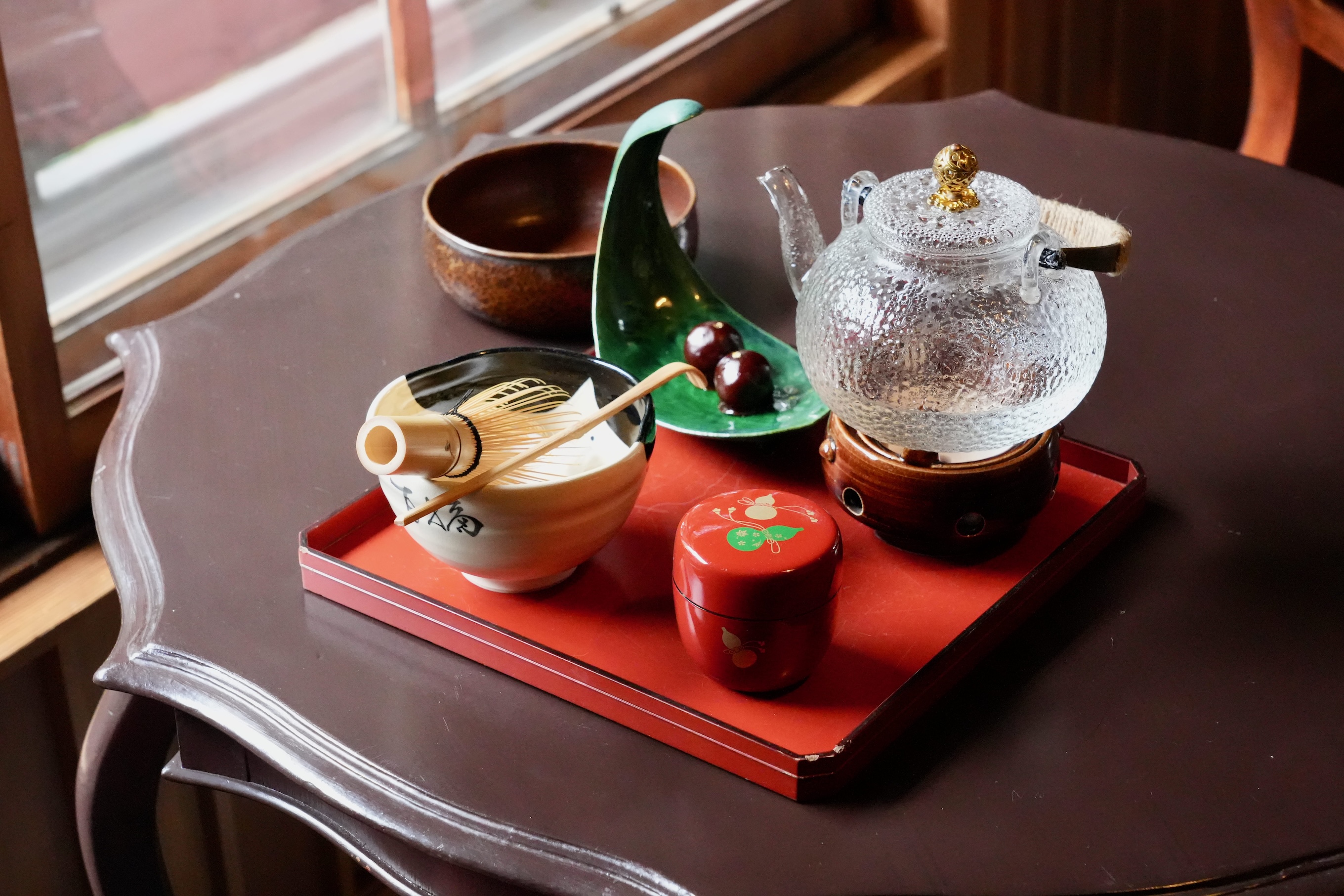
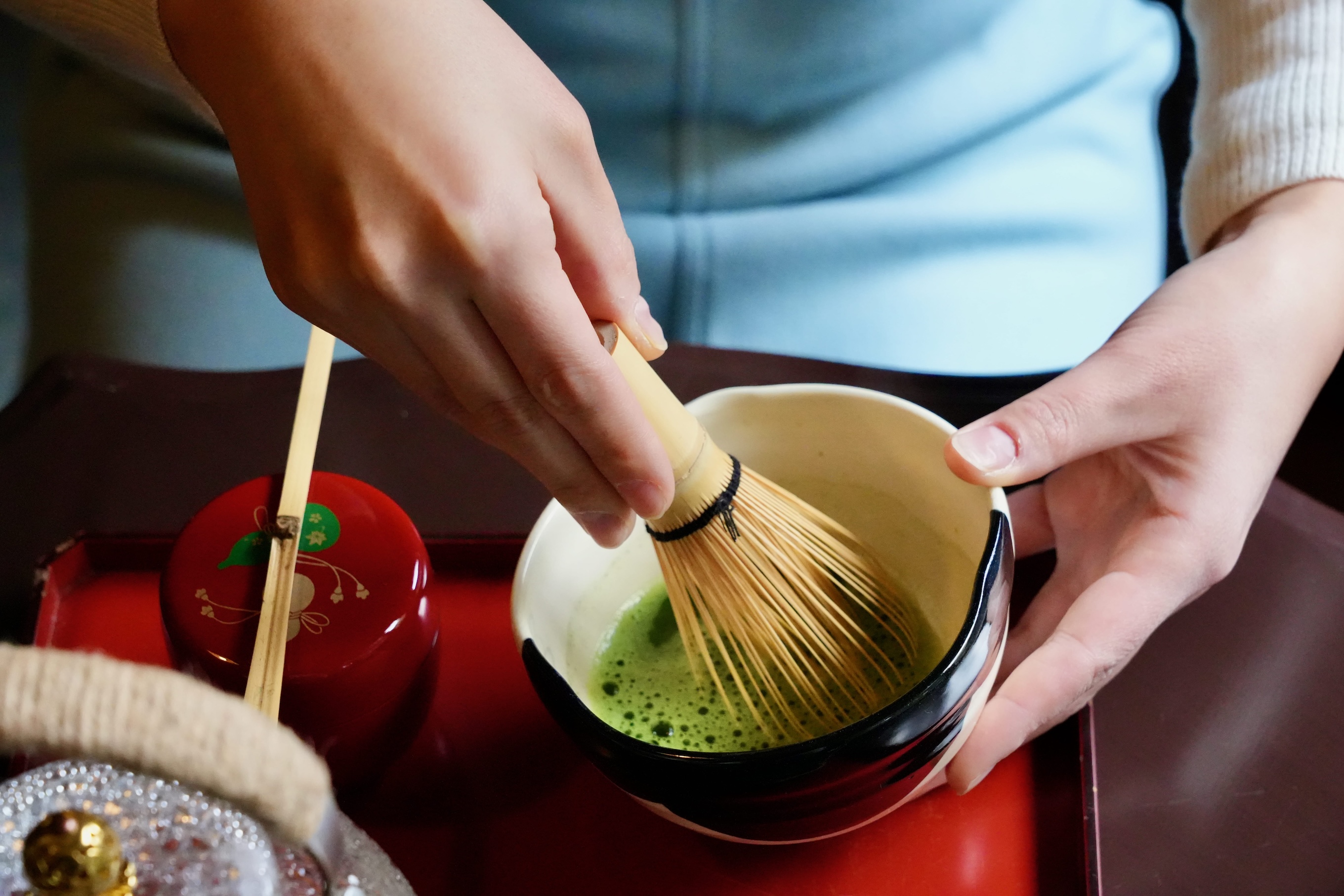
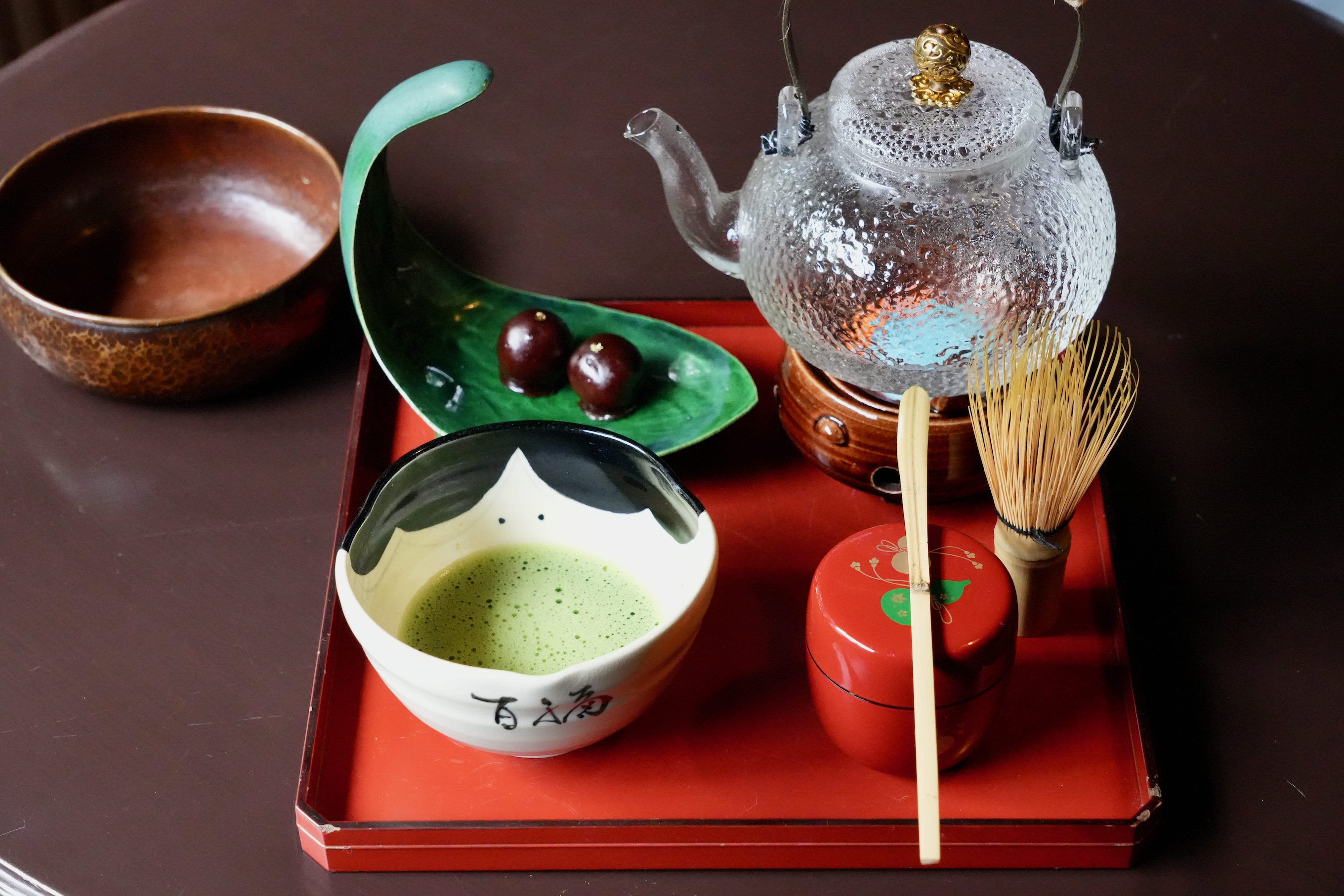
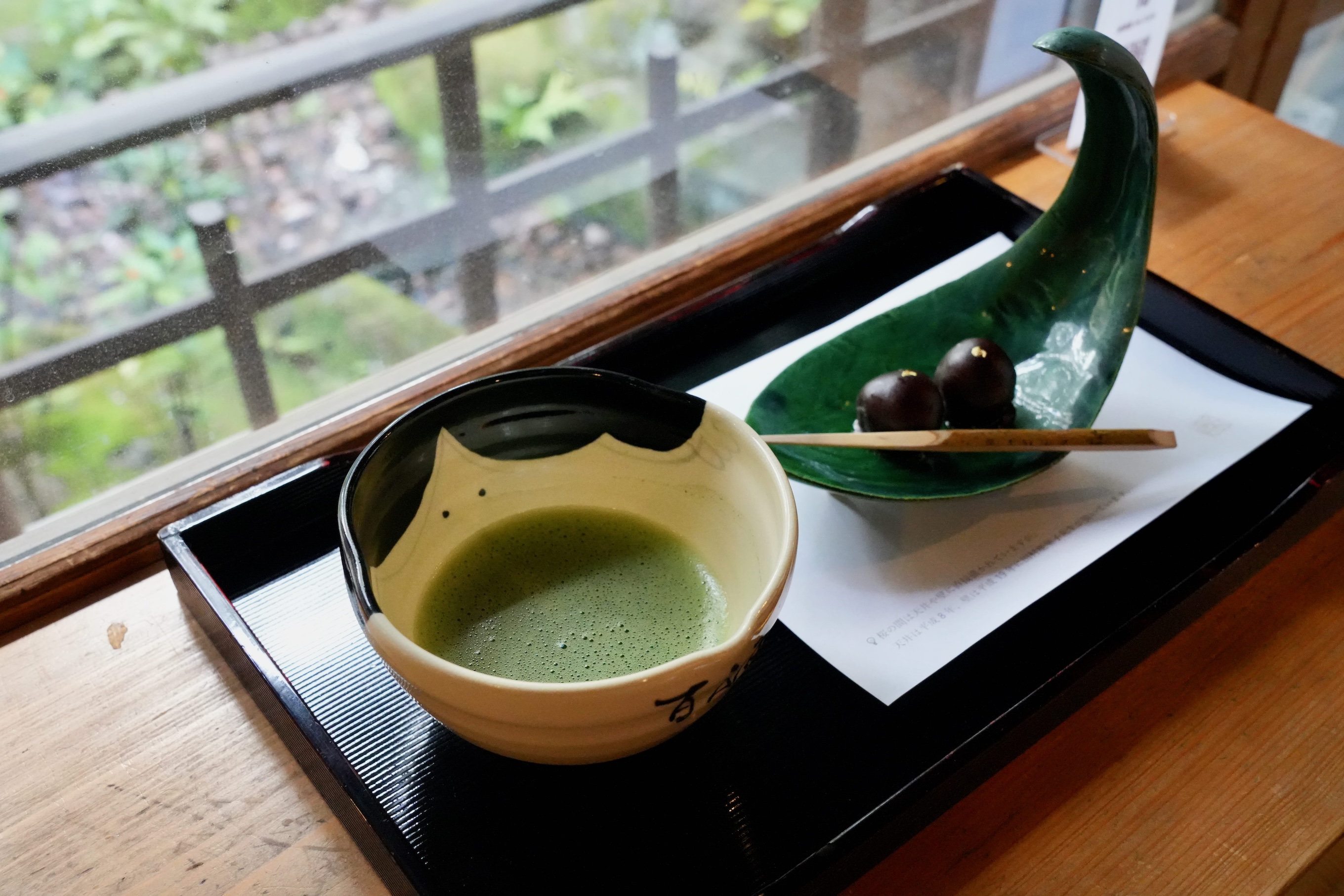
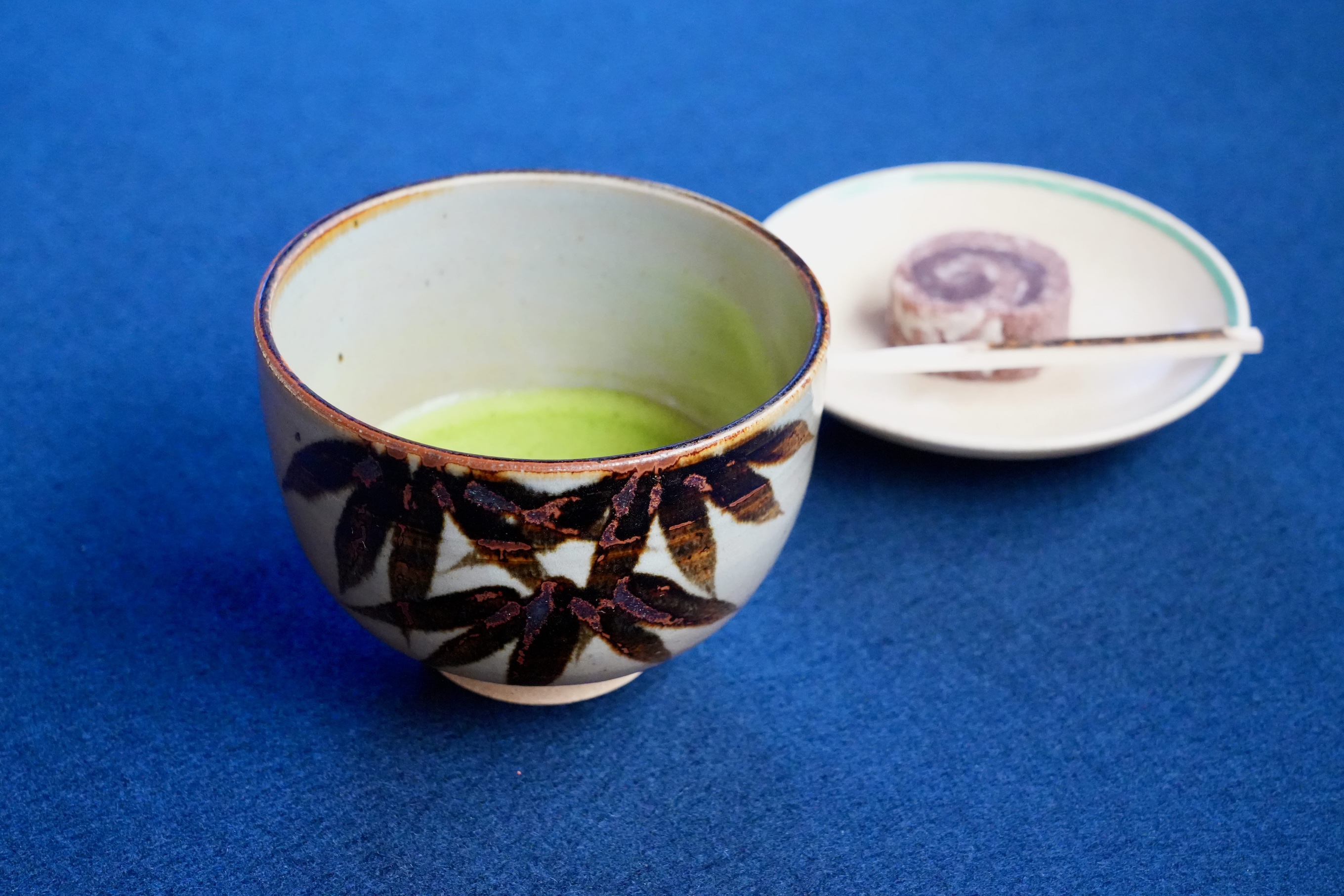
Here, visitors can prepare matcha for themselves. Add hot water to powdered tea in a bowl, whisk it briskly with a bamboo chasen until a soft foam appears, and enjoy the result in the calm atmosphere of the villa.
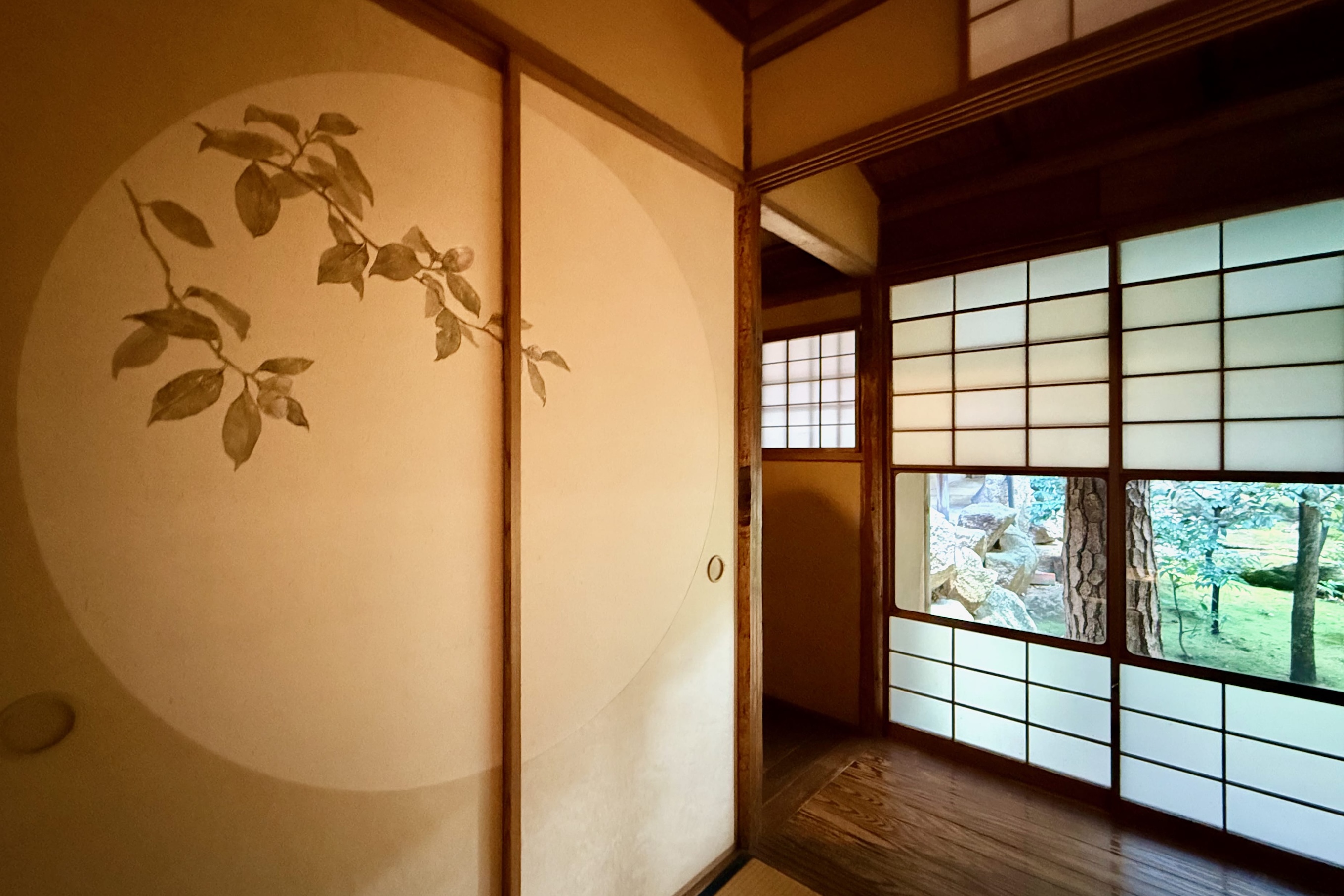
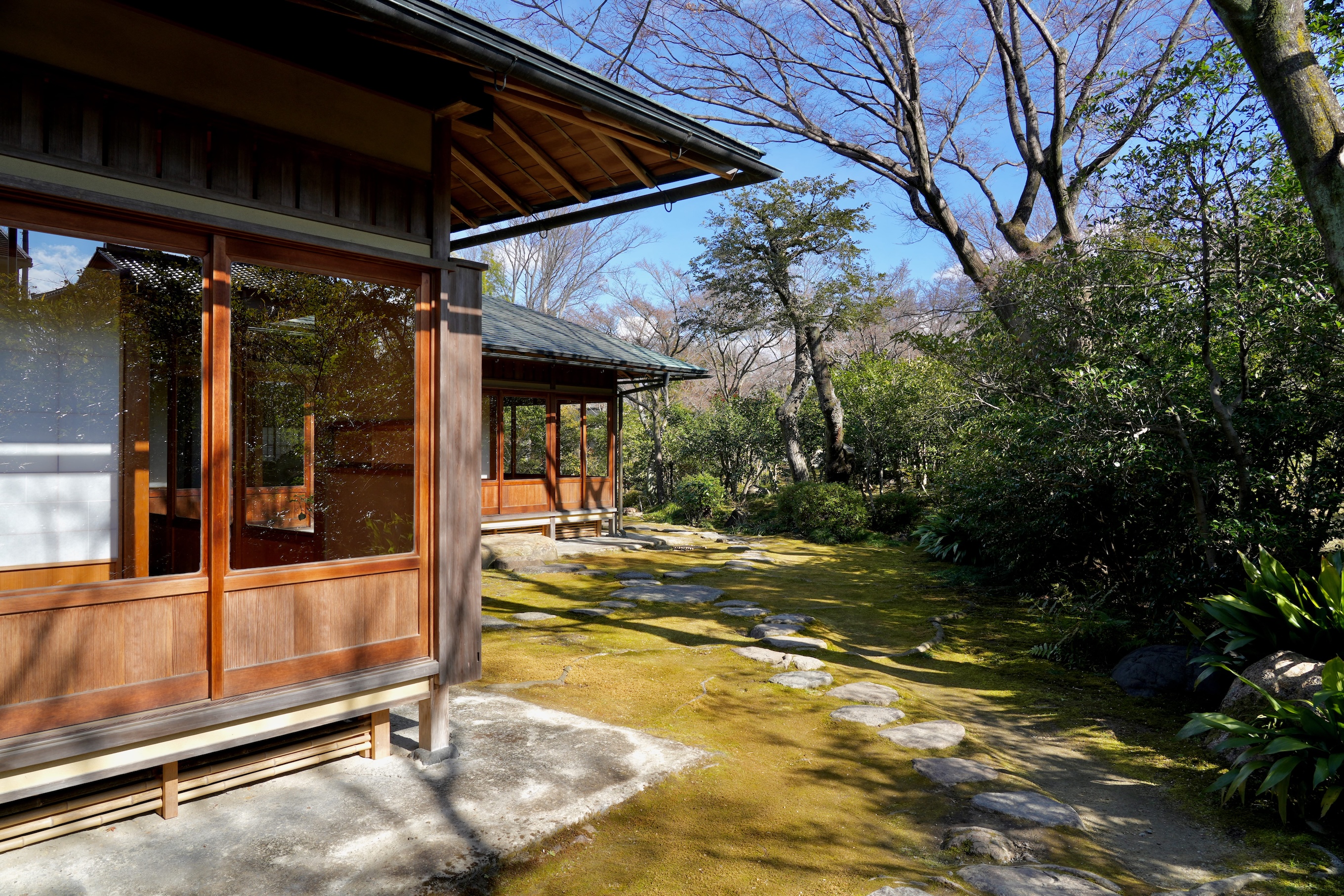
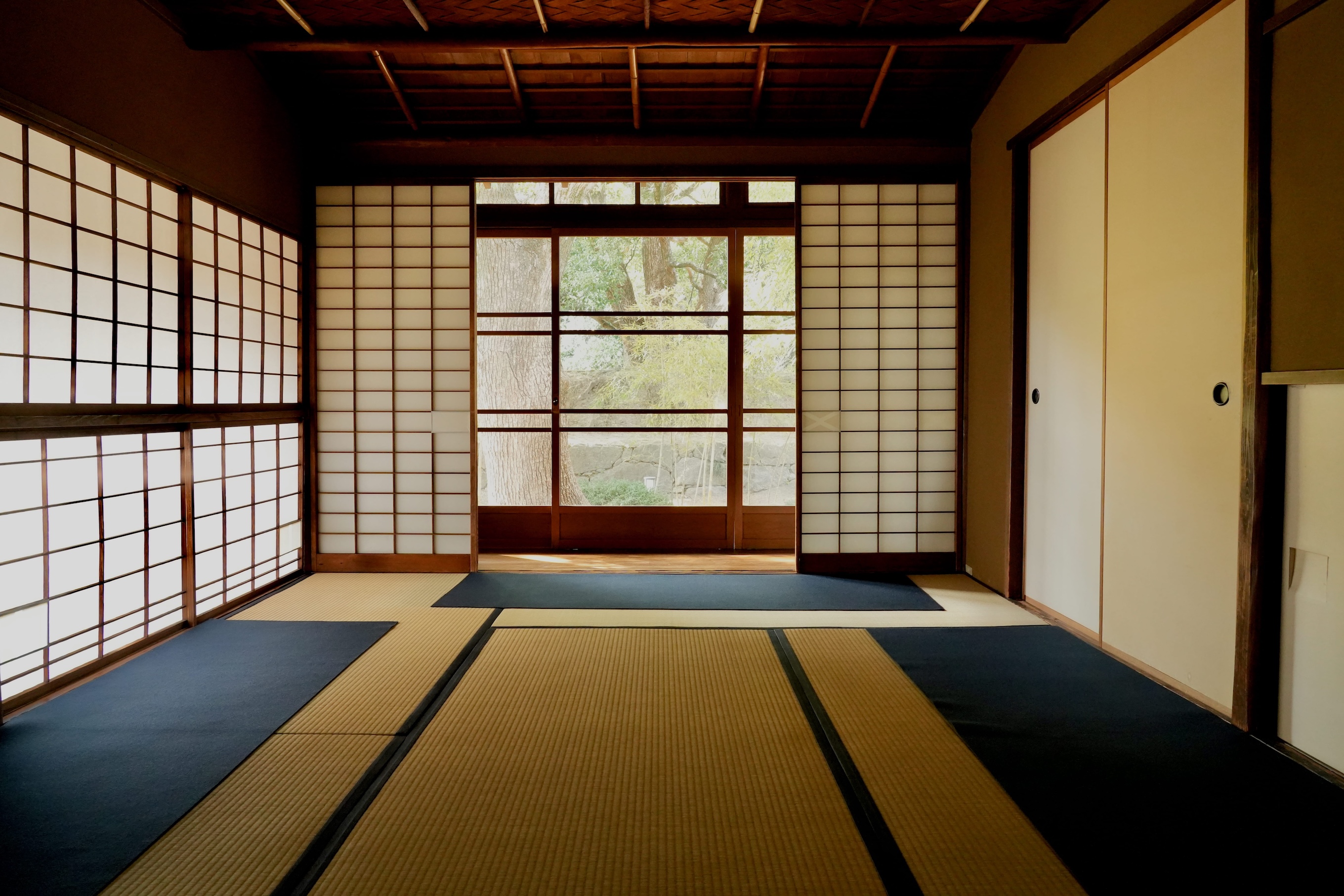
Careful details throughout the property reward close attention. In the tea room Taro-an, paintings of camellia buds adorn the fusuma sliding doors, as bright red camellias bloom just outside the window in season. Both the artwork and the garden change with the season.
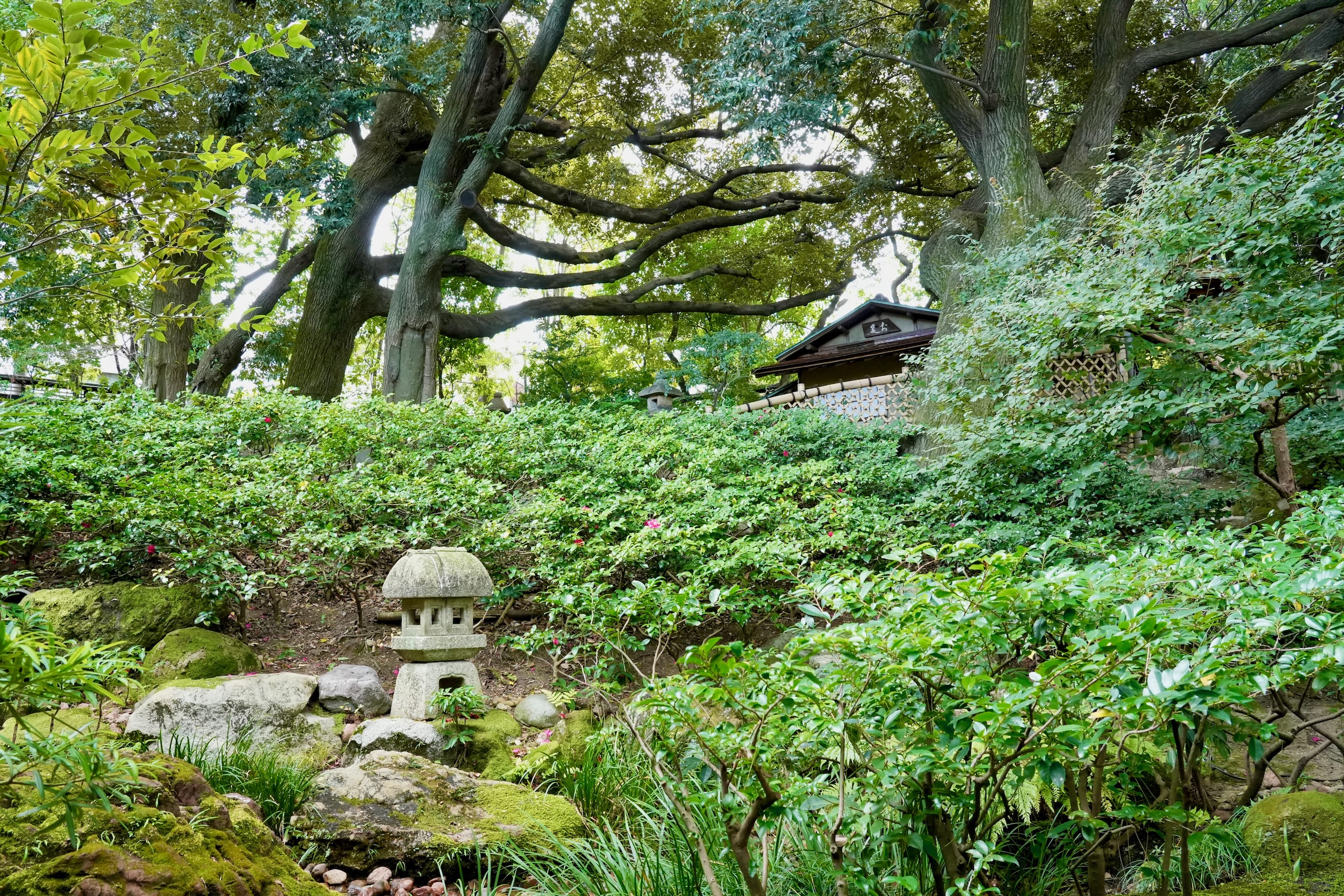
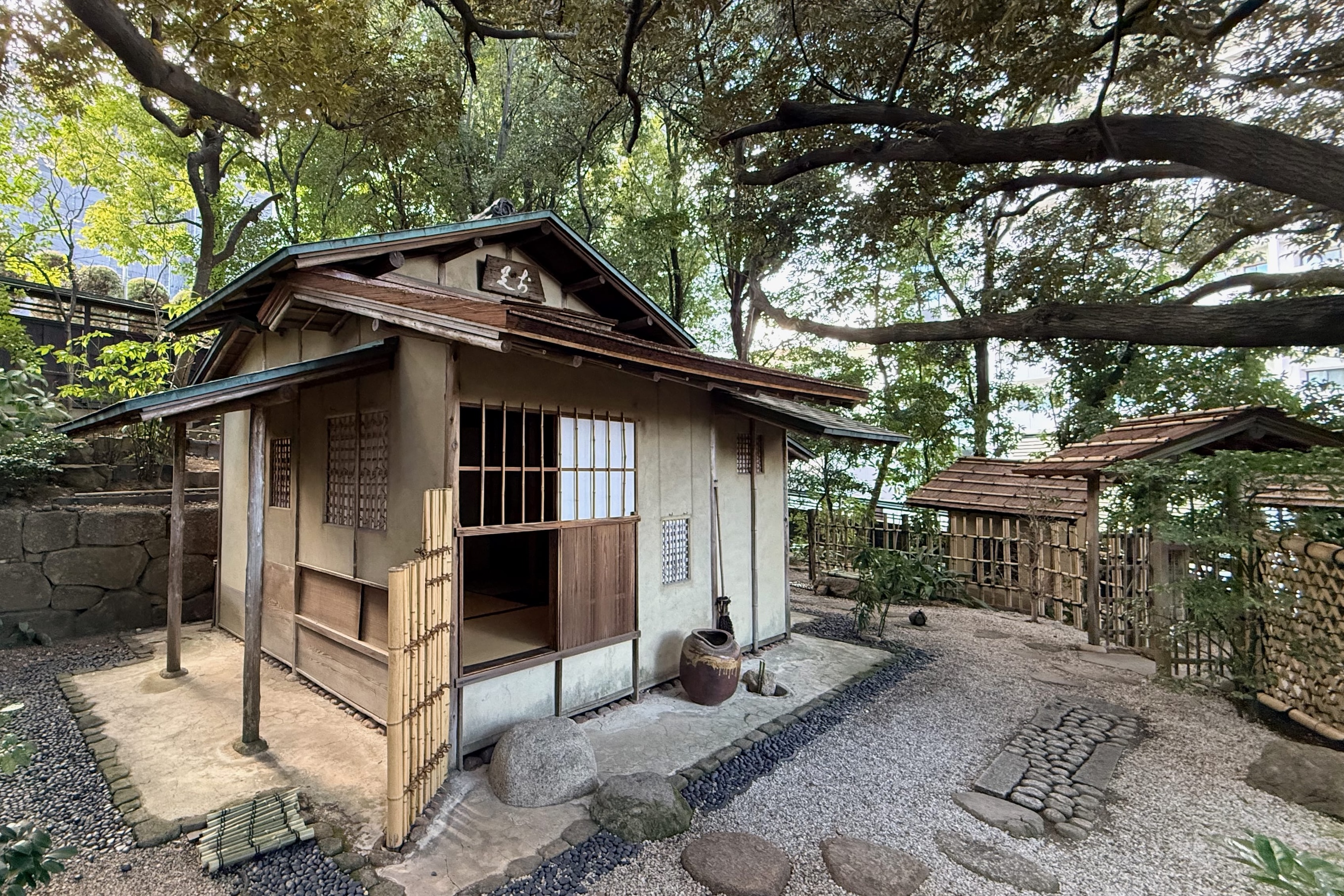
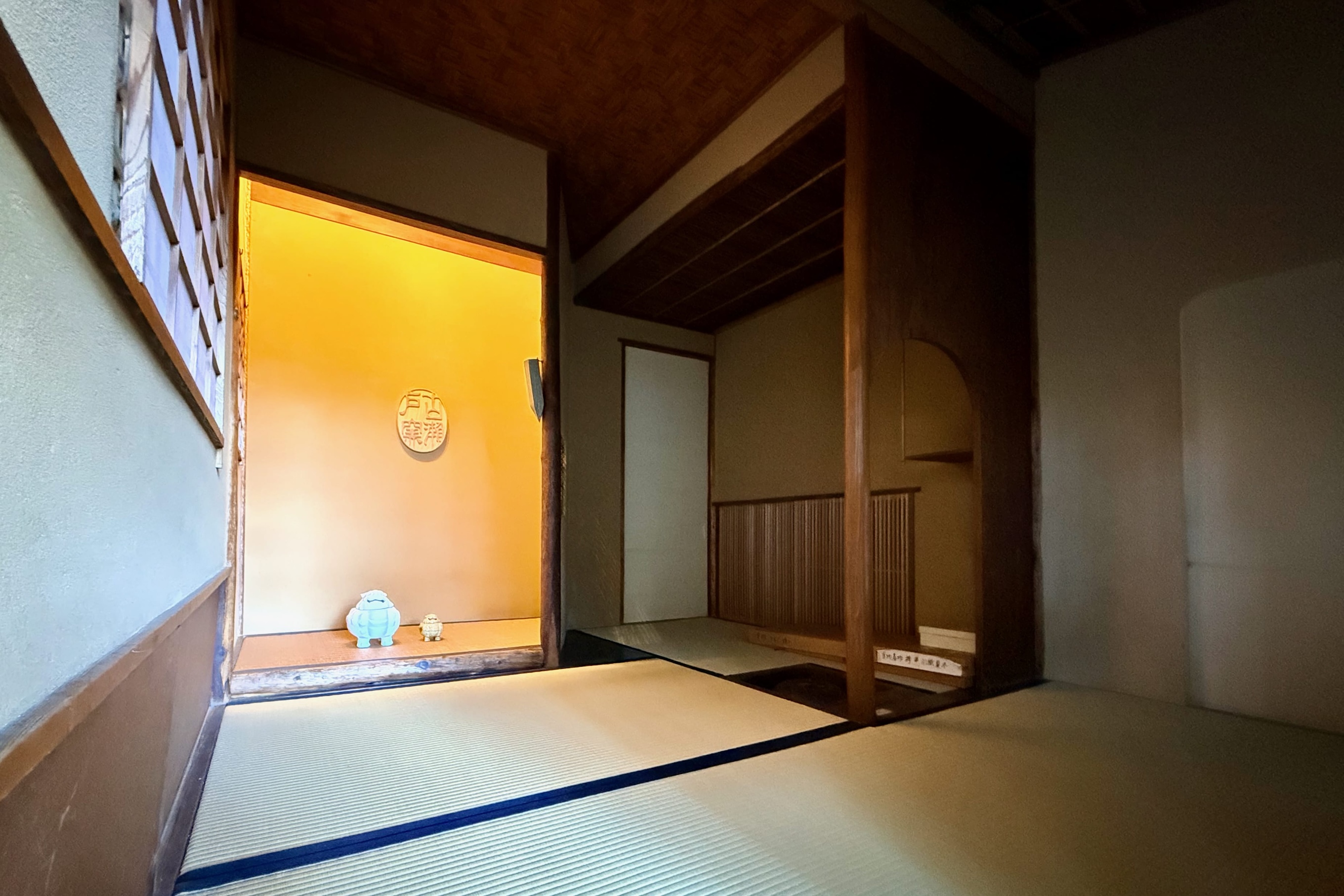
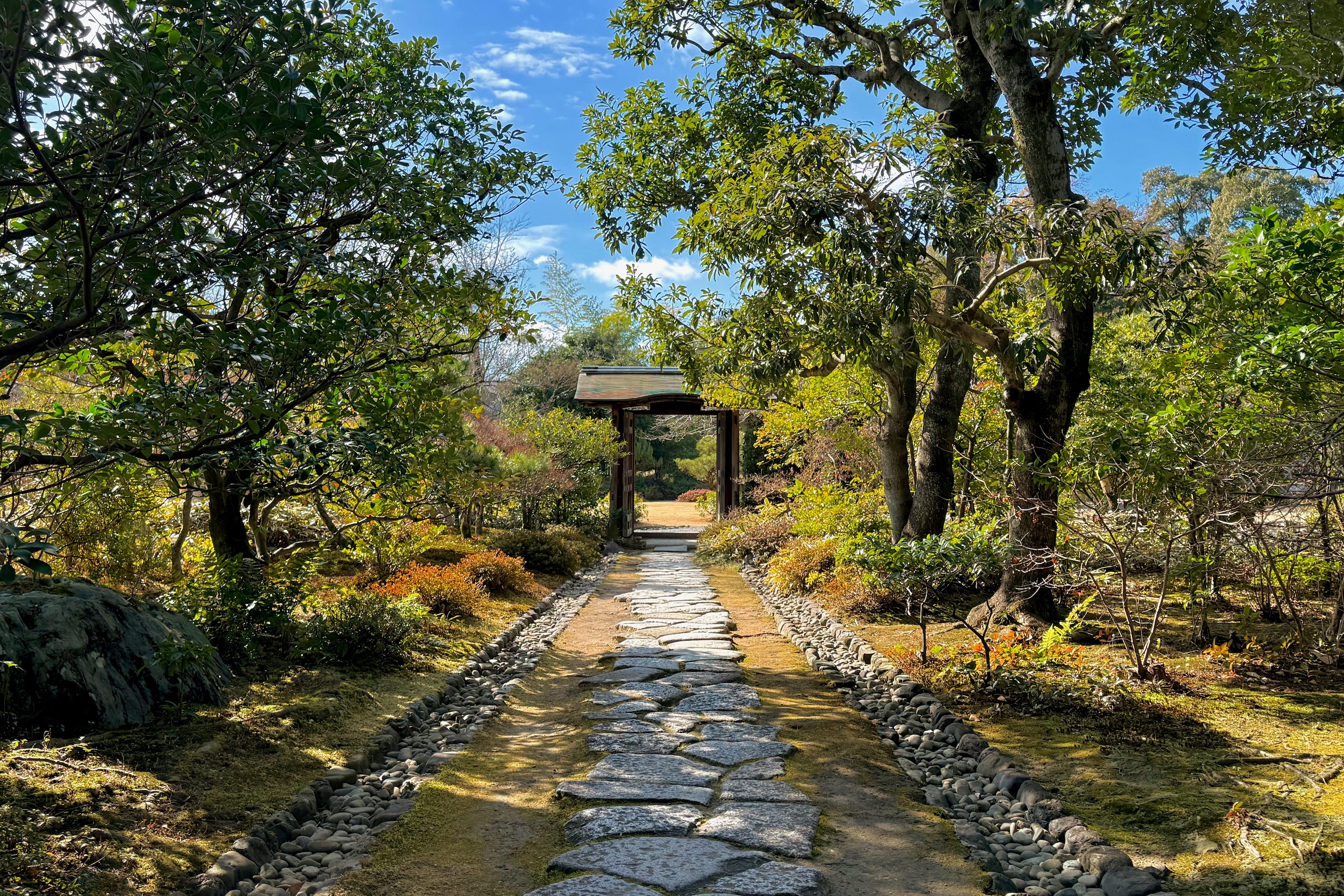
In the garden, the small tea room, Chisoku-an, measures just two-and-a-half tatami mats. Guests enter the room by bowing low and passing through a small nijiriguchi, a crawl-in entrance, inspired by Sen no Rikyu’s ideal that all who enter leave their status behind.
The simple interior expresses kirei-sabi, a refinement of wabi-sabi that carries a quiet sense of dignity and grace.
Address: 2-50 Ikeshita-cho, Chikusa-ku, Nagoya︎
Official website: https://www.furukawa-museum.or.jp/en/
The Chisoku-an tea room at the Tamesaburo Memorial Museum is said to to be inspired by Jo-an, a tea house built by Oda Urakusai and considered the pinnacle of Japanese tea house architecture.
To visit Jo-an, take the Meitetsu Railway from Meitetsu Nagoya Station for about 30 minutes. A short walk from Inuyamayuen Station will bring you to Urakuen, a Japanese garden.
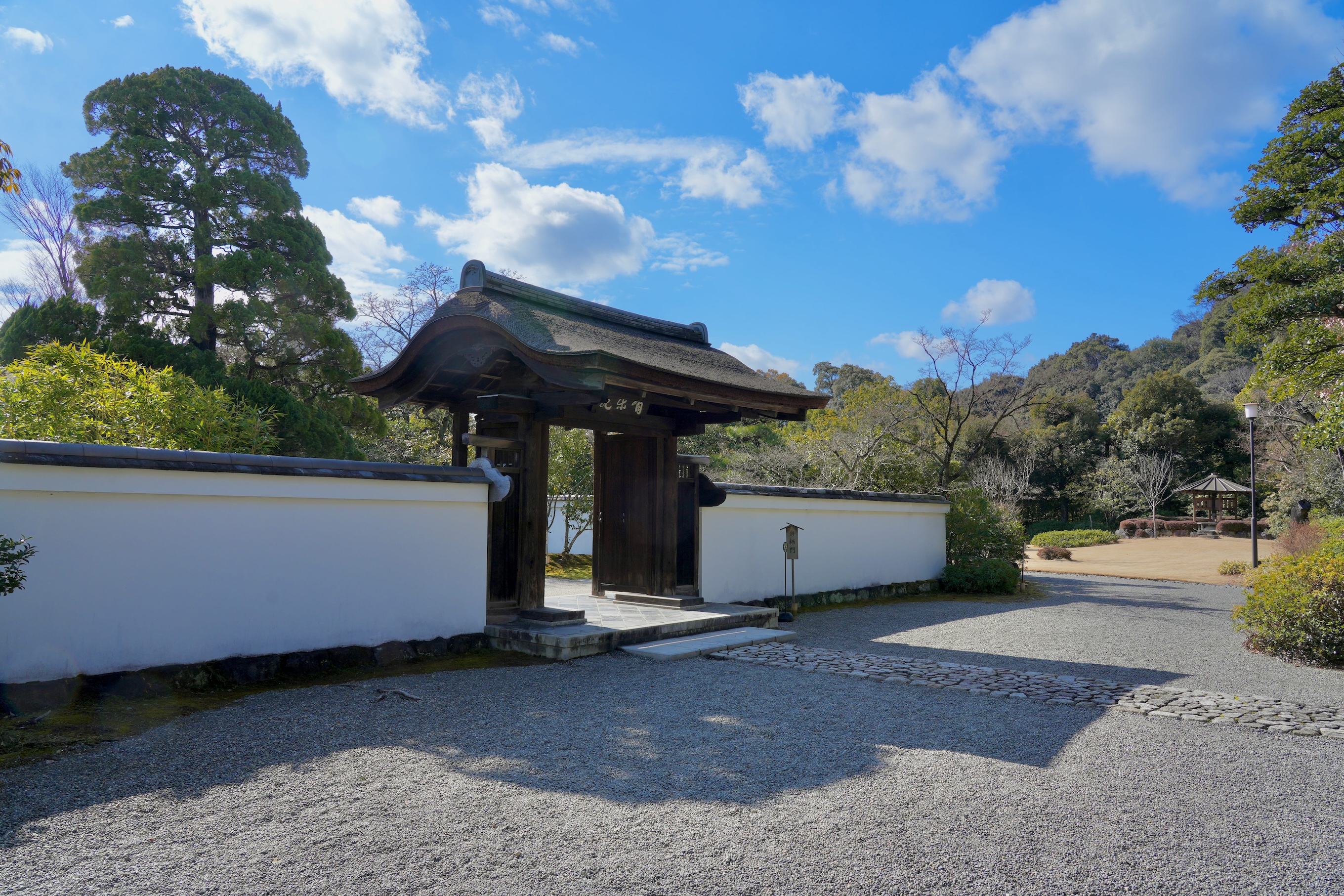
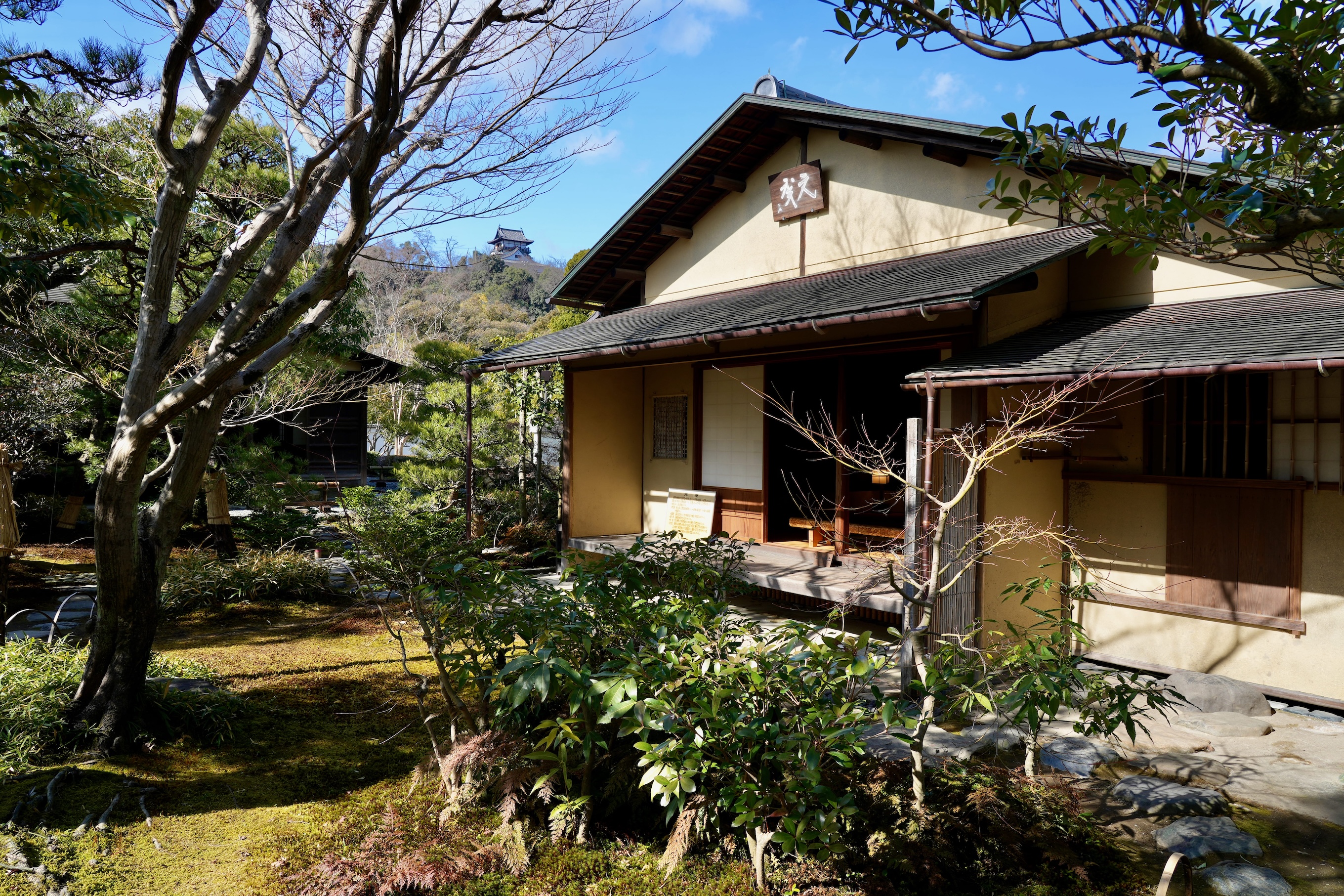
Originally located at Kenninji Temple in Kyoto, Jo-an has since been relocated to Urakuen. It is one of only three tea houses designated as National Treasures. As a precious cultural property, the interior is not open for viewing except on specific days, but visitors can view the exterior up close as it stands alongside the Former Shodenin Shoin, an Important Cultural Property that once served as Urakusai's retirement residence.
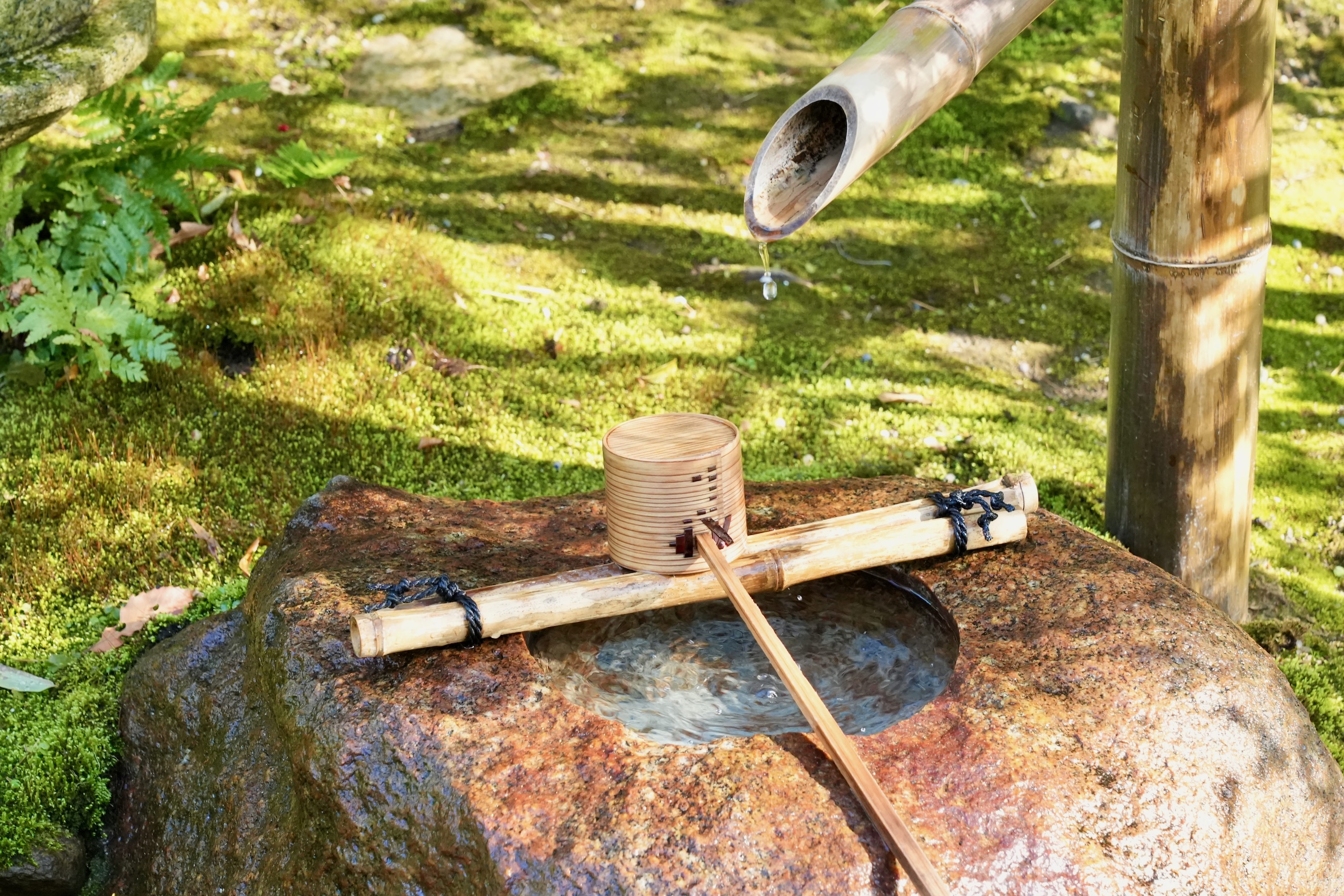
Elsewhere in the garden, the Ko-an tea house offers matcha to visitors. At the entrance, a tsukubai stone basin features a suikinkutsu, which creates a gentle, echoing tone, similar to a koto, as water drips into it.
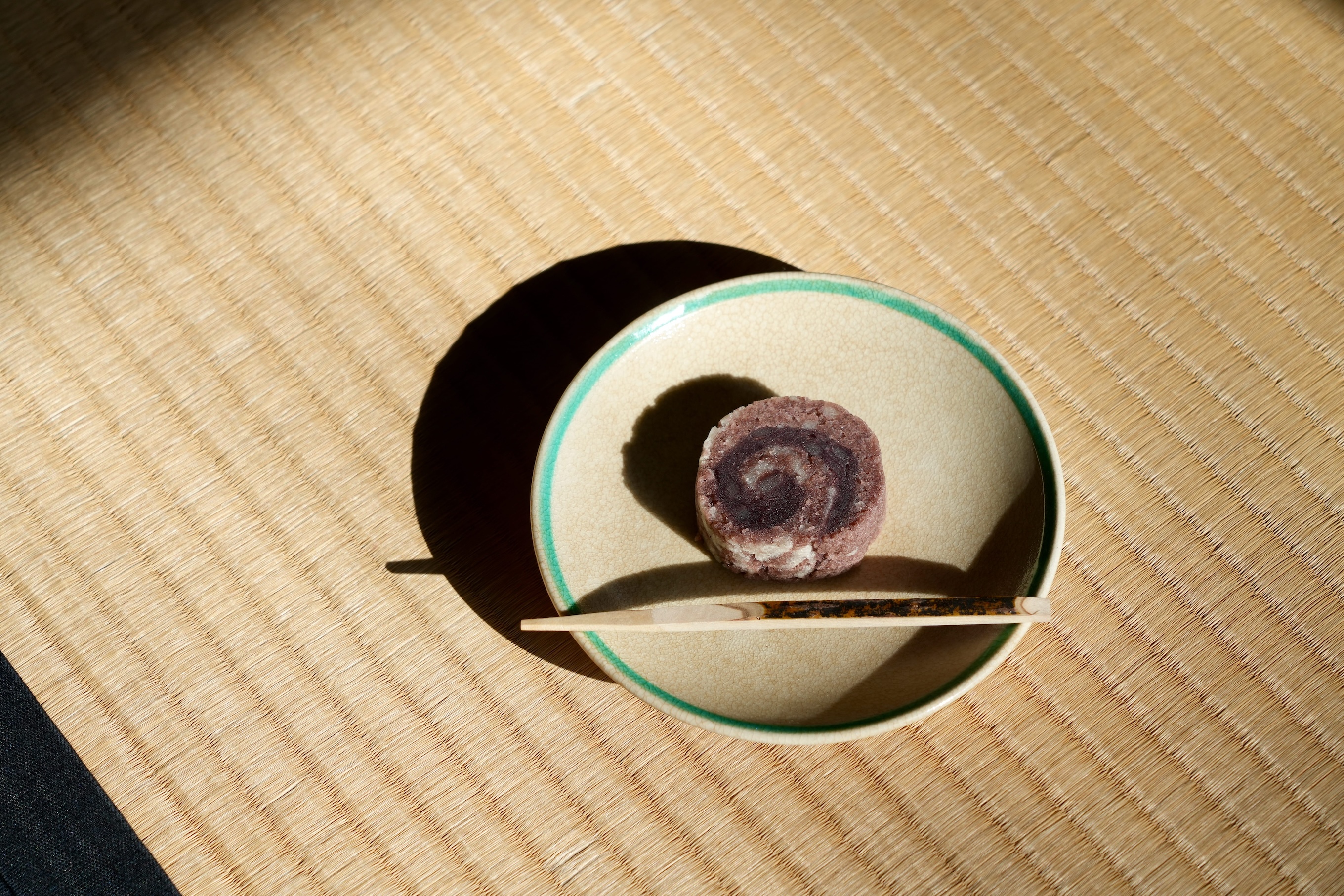
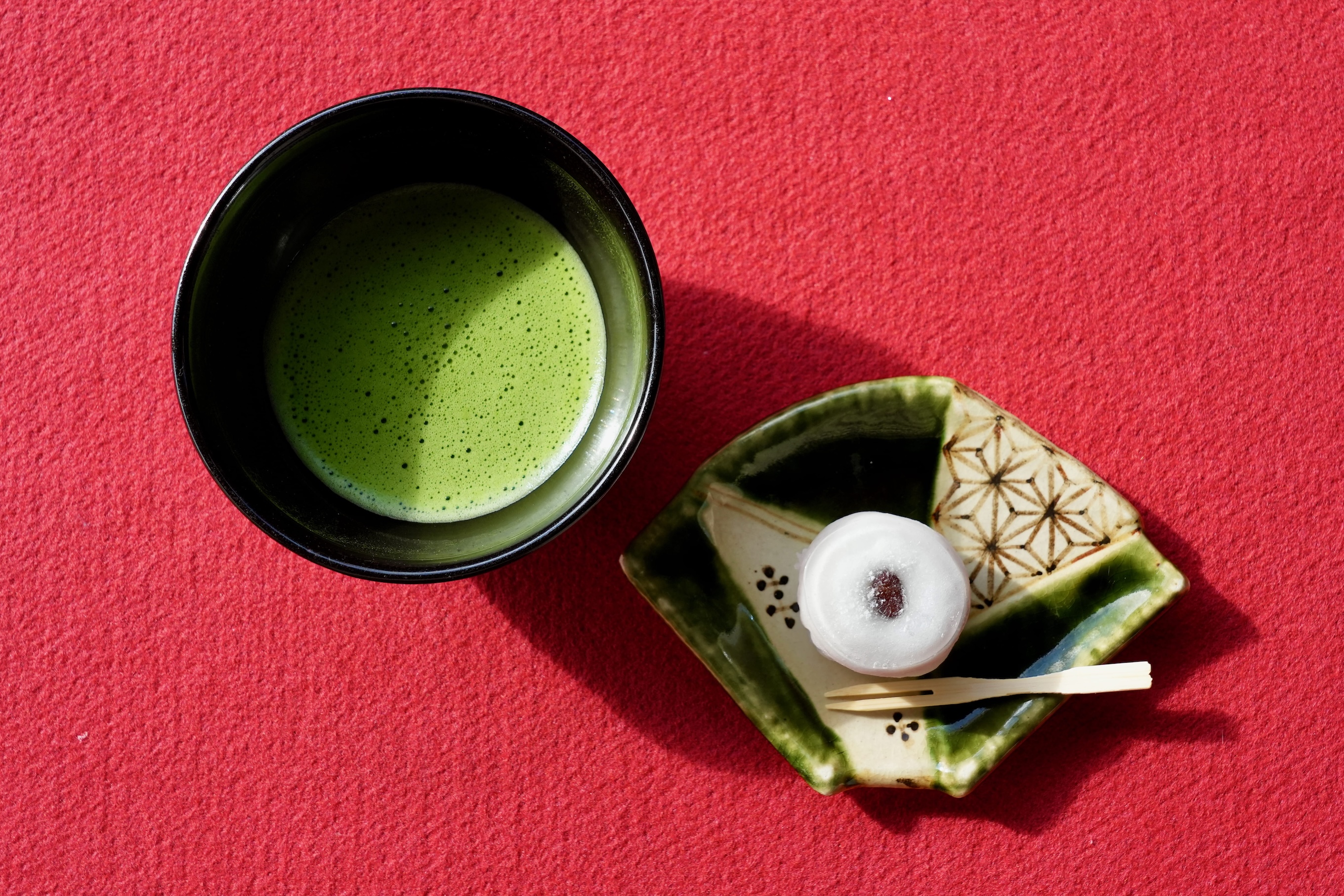
Enjoying your tea with a seasonal Urakukaze sweet in this quiet setting has a soothing, almost meditative effect.
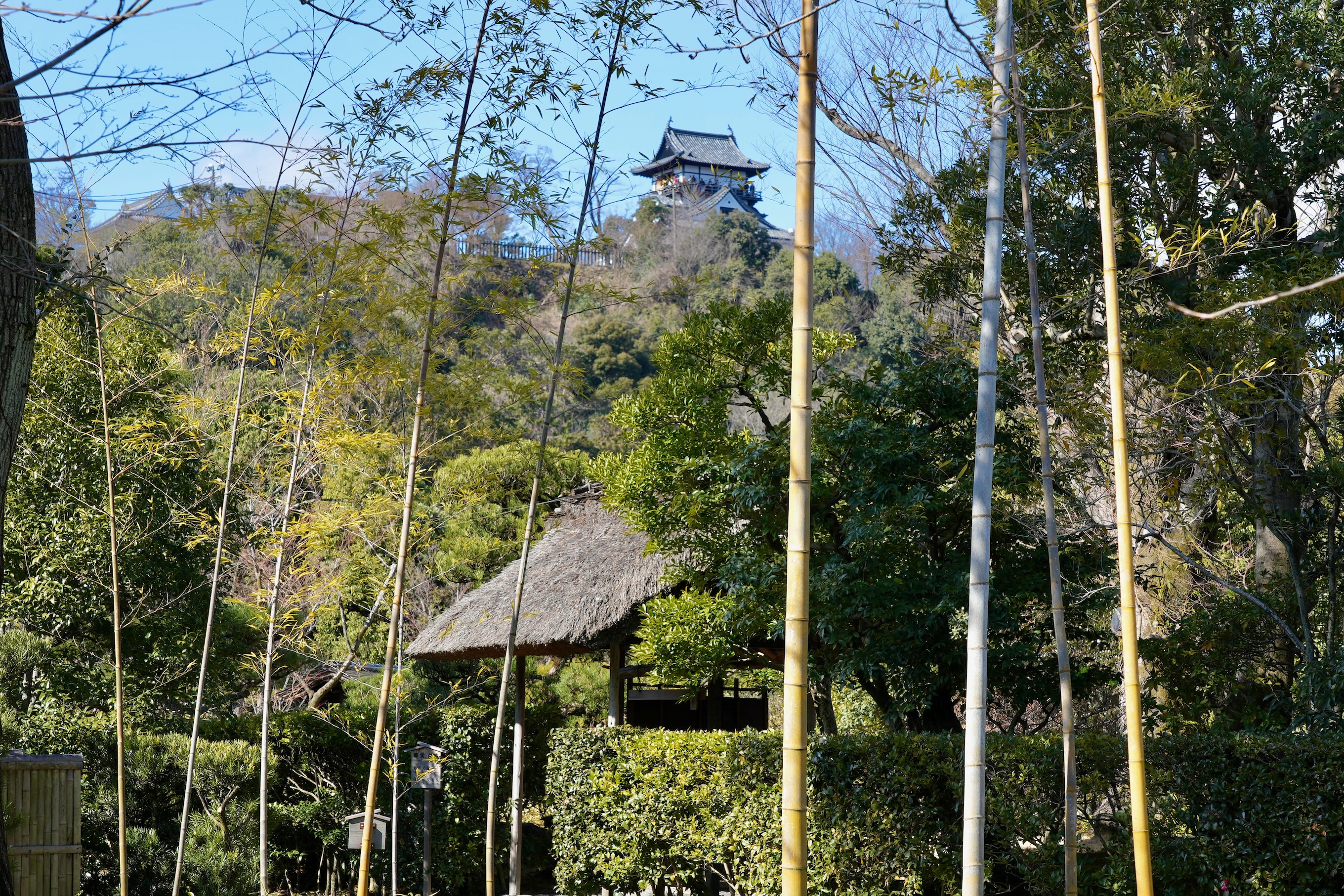
Within the garden, you'll also find other features worth exploring, including Gen-an, a tea house reconstructed from historical drawings, and gates steeped in history. From various spots in the garden, the keep of Inuyama Castle appears in the distance, adding a memorable backdrop to the calm that follows your tea.
Address: 1 Inuyama Gomonsaki, Inuyama-shi
Official website: https://www.meitetsu.co.jp/urakuen/eng/index.html
Although many people associate matcha with Kyoto's Uji region, Nishio City in Aichi Prefecture plays an equally important role.
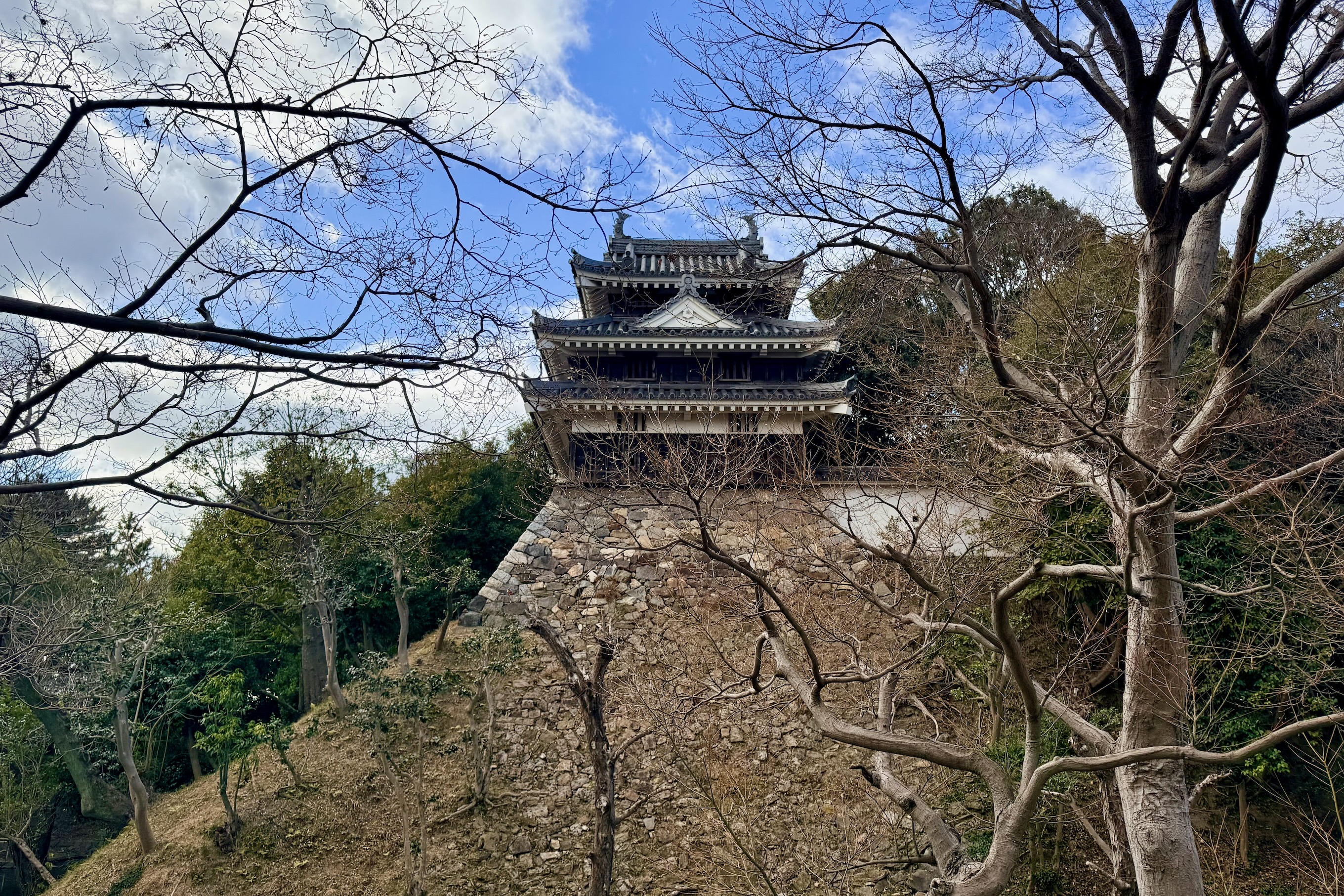
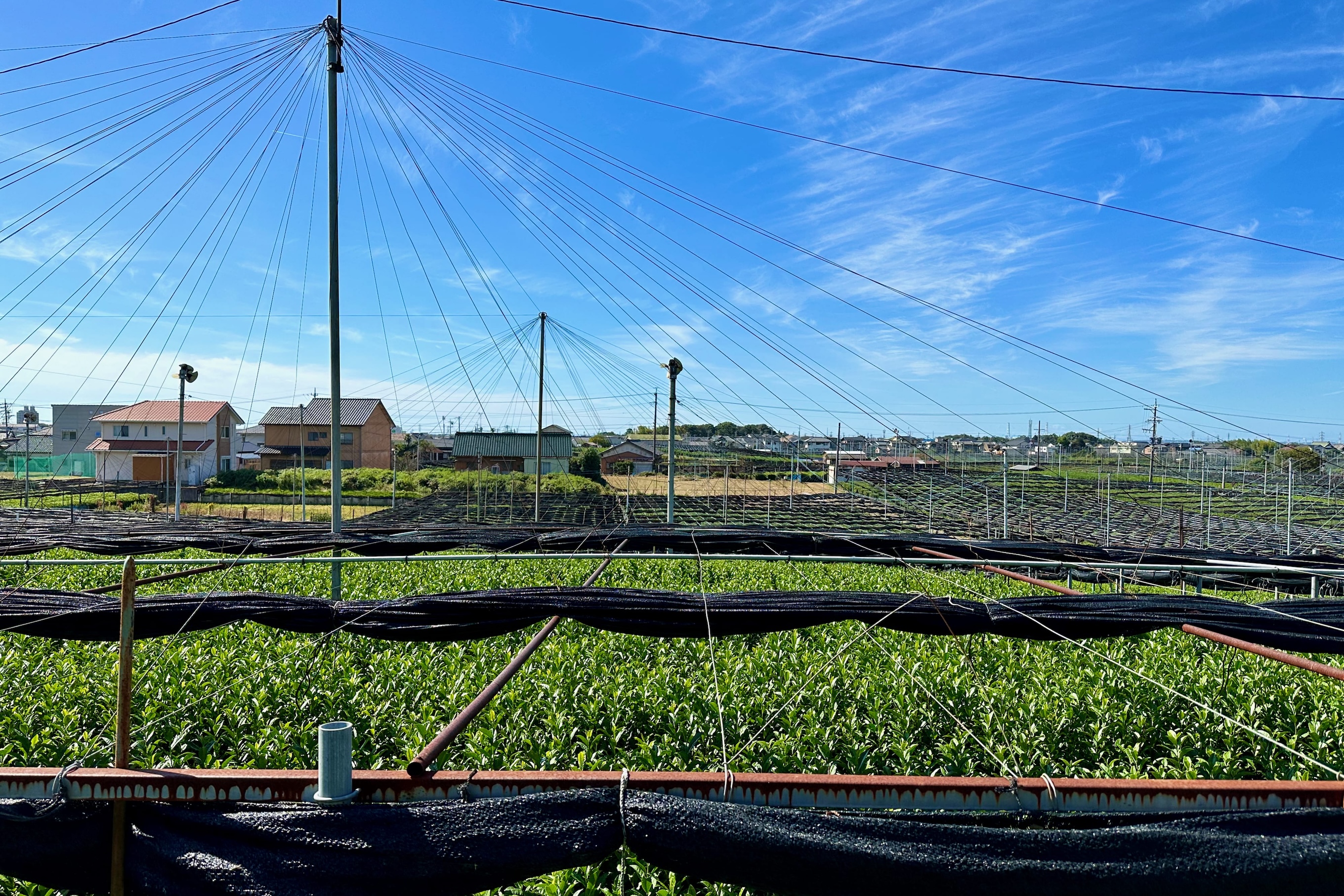
Located near Nagoya—where matcha culture flourished as a castle town of the Owari Domain—Nishio now accounts for approximately 30% of Japan's total matcha production, making it one of the nation's premier producers. To experience matcha at its source, head to Nishio Station, about 40 minutes from Meitetsu Nagoya Station via the Nagoya Railroad. Roughly a kilometer from the station lies Nishio City Historical Park, set on grounds that were once part of Nishio Castle.
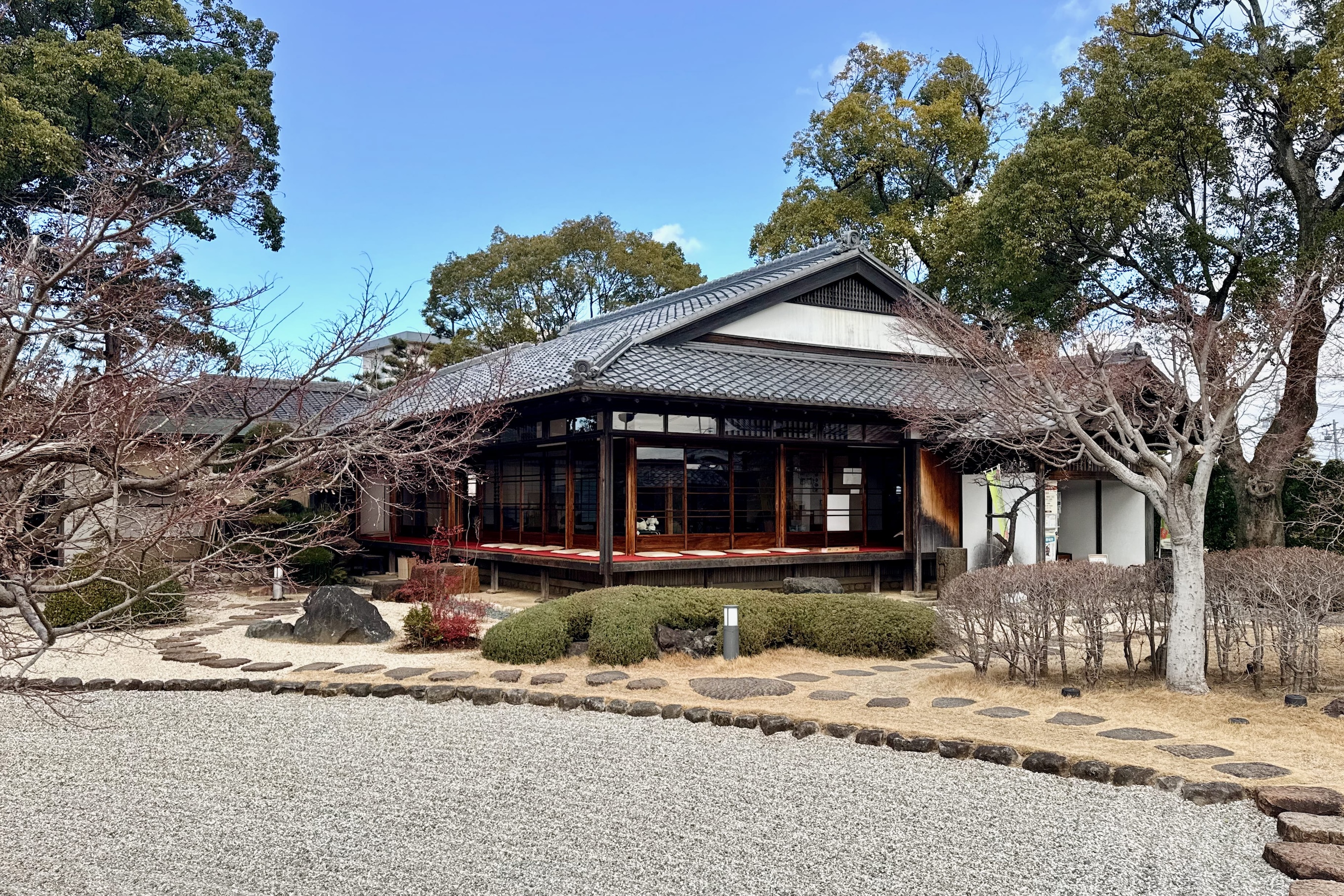
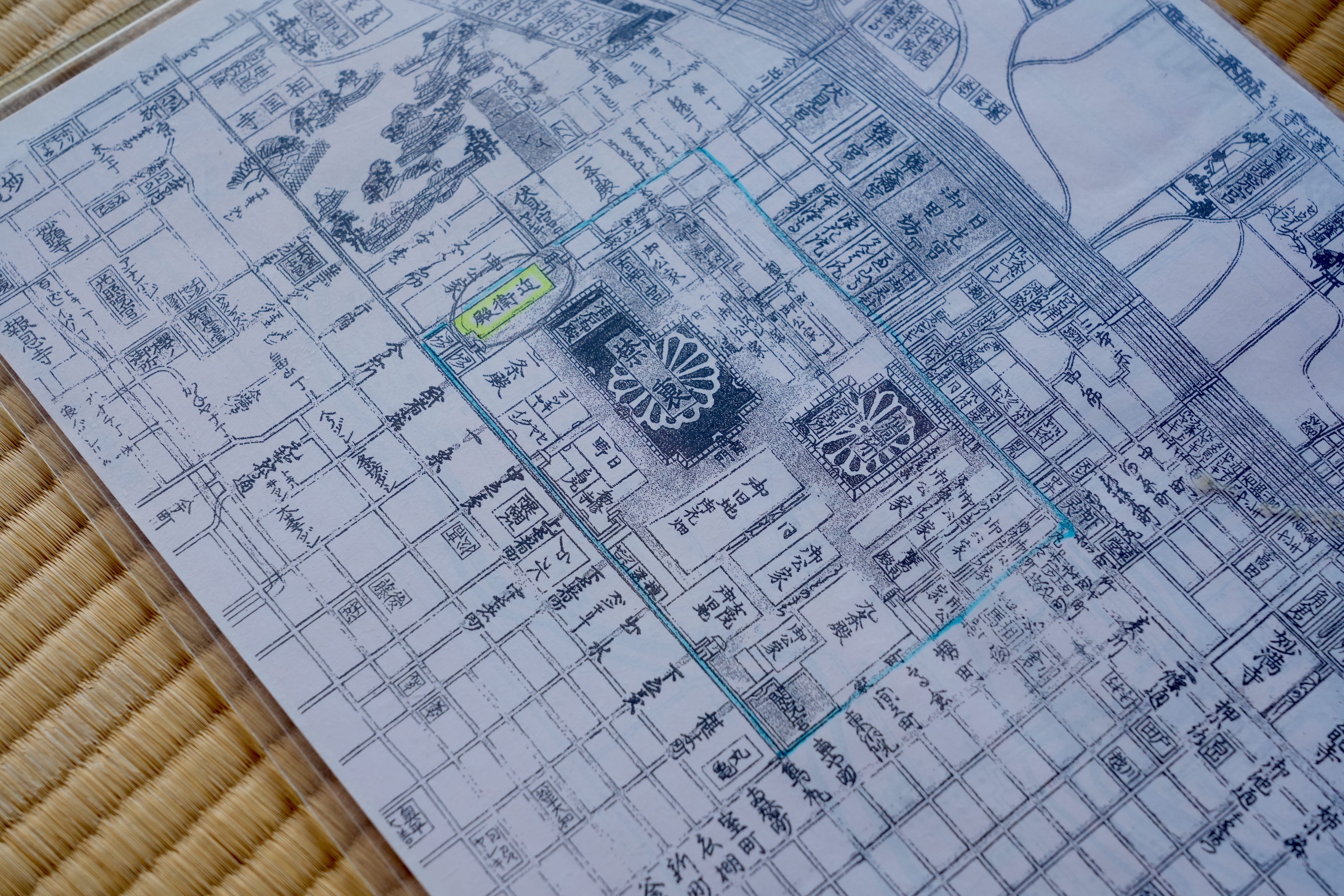
Within the park stands the relocated residence of the Konoe family, a distinguished noble house whose estate once occupied part of the Kyoto Imperial Palace grounds. The residence preserves a tea room where emperors and other high-ranking nobles were once entertained.
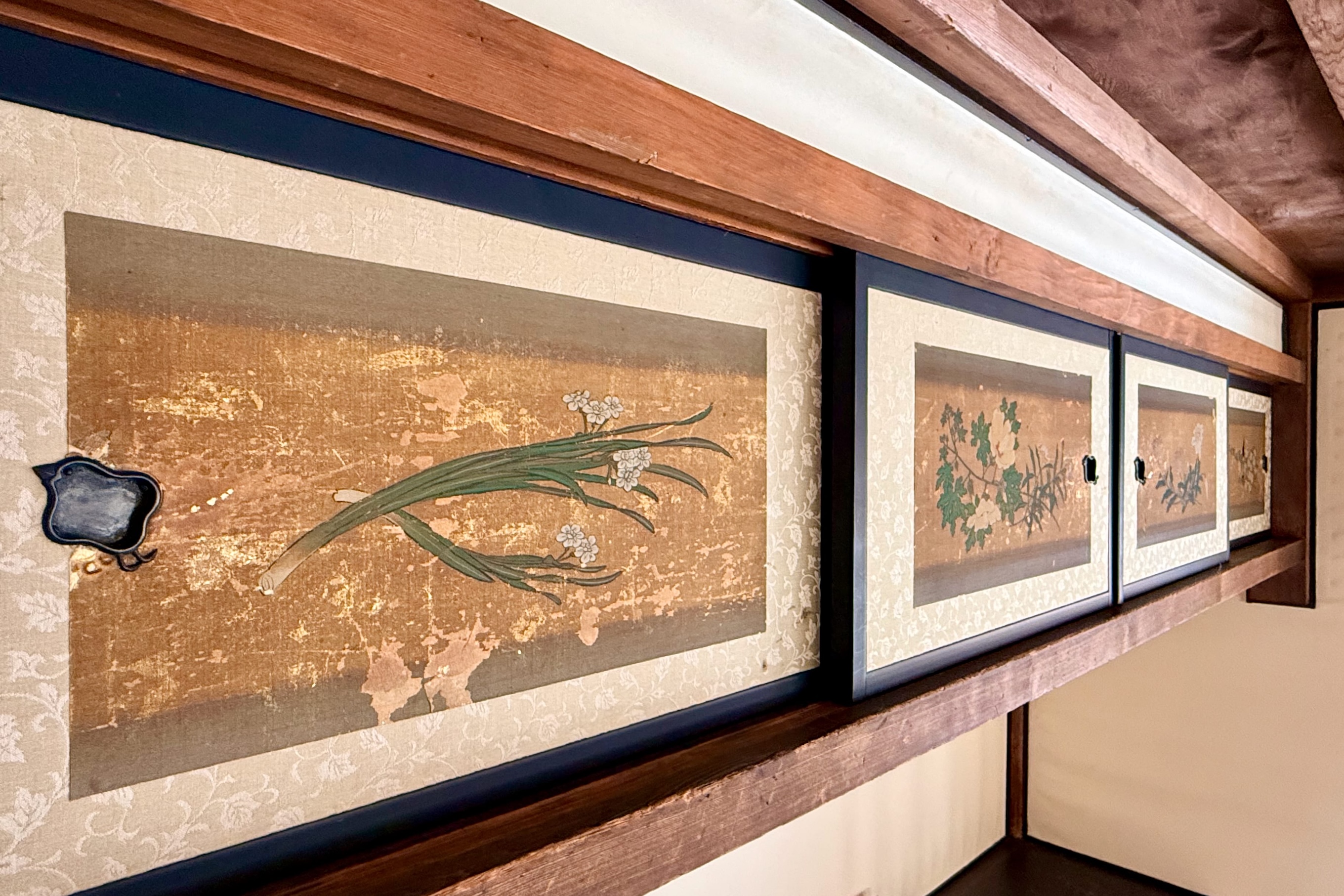
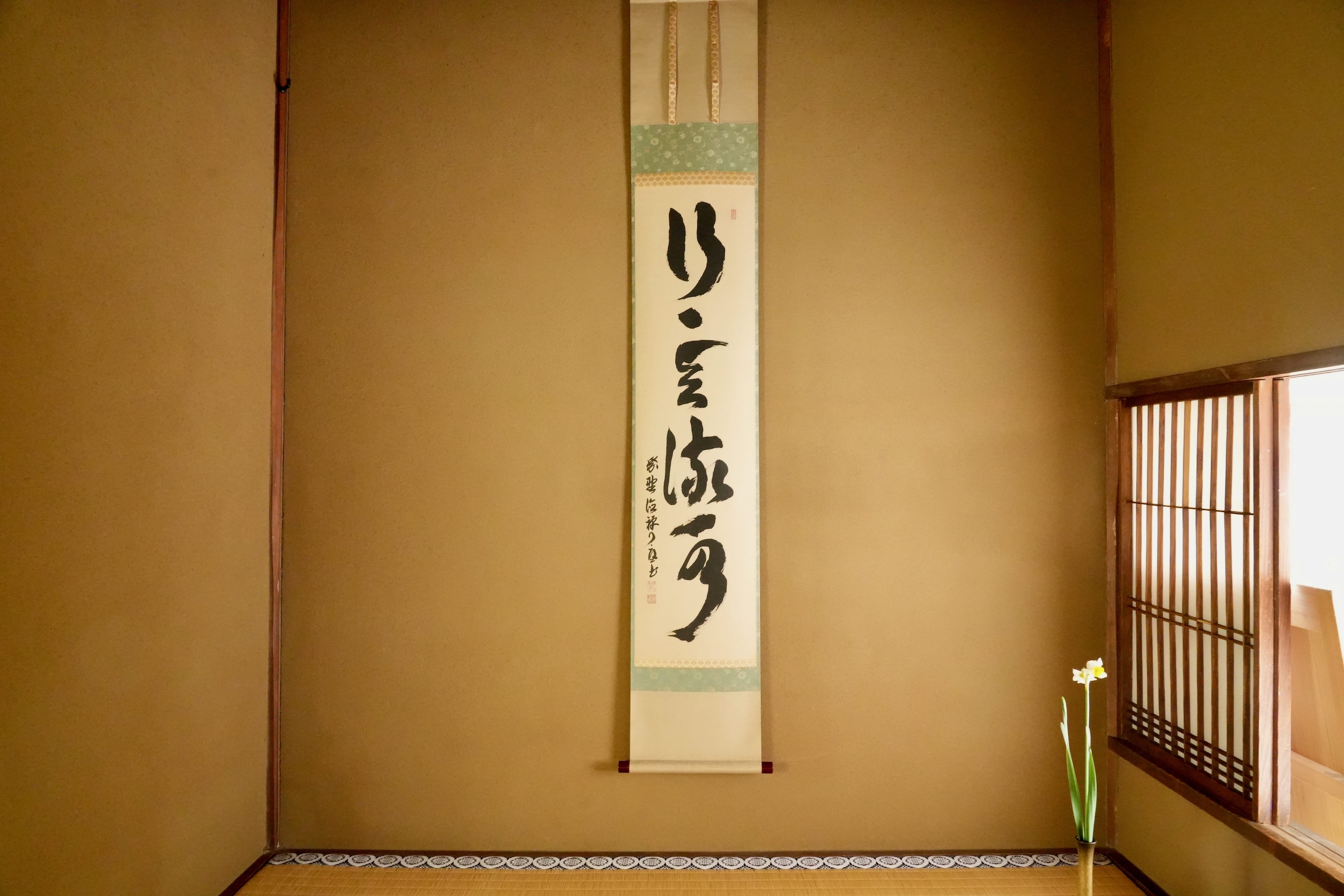
The tea room features a kininguchi (noble's entrance) designed to allow guests to enter standing upright without bowing. The tokonoma (alcove) is set at an elevated level, and hana-akarimado (flower-light windows) gently filter the light. Unlike tea rooms for the samurai class, this space embodies the openness and formal elegance that is characteristic of aristocratic tea culture.
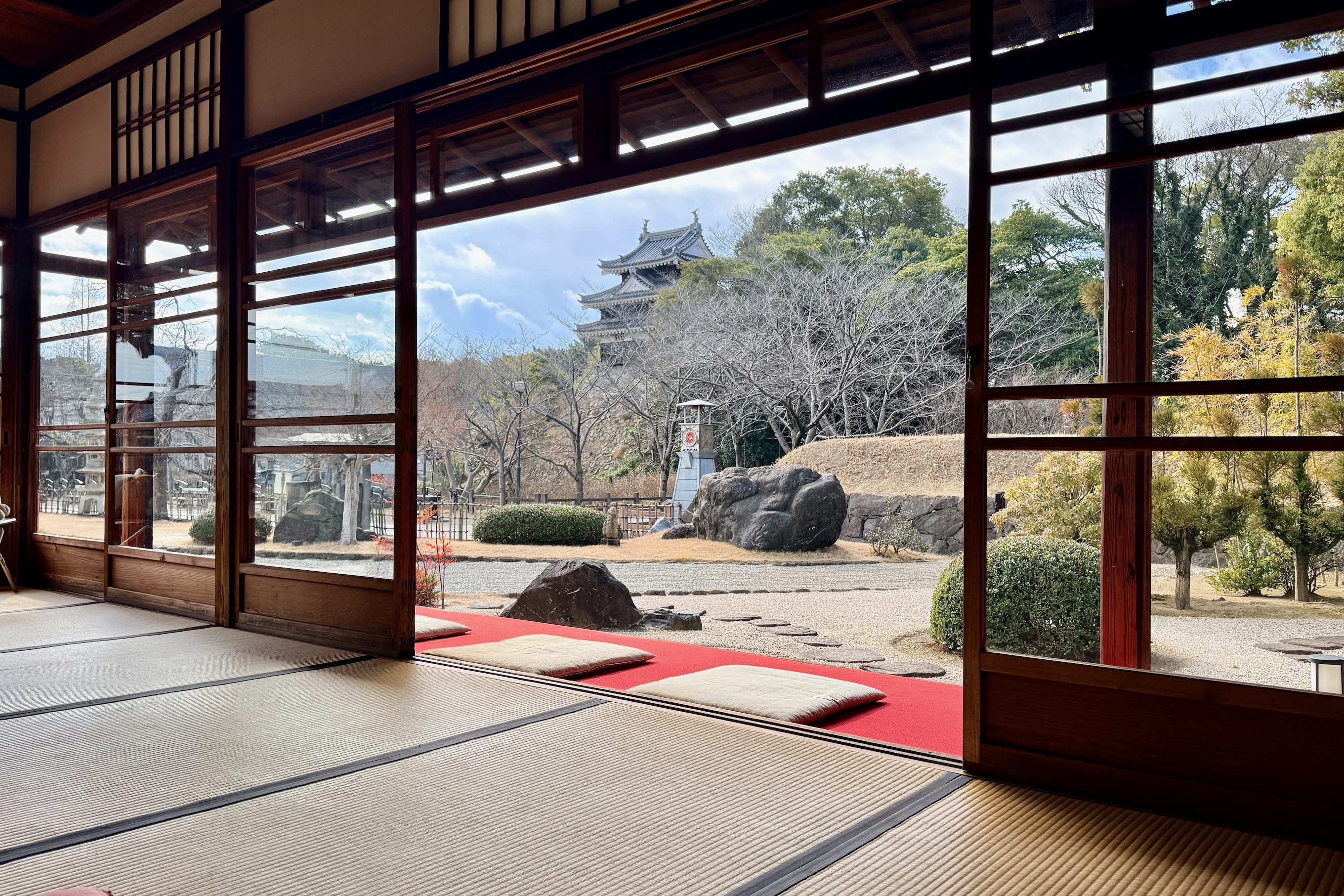
In the adjoining shoin (study) connected to the tea room, visitors can enjoy matcha served with seasonal sweets. When the windows are opened, the view extends across the manicured garden to the turrets of Nishio Castle. The matcha served here is, naturally, from Nishio. With good timing, you may even sample Nishio—the premium-grade brand.
Throughout Nishio City, you'll also find Inariyama Tea Garden Park, which offers panoramic views of tea fields, as well as matcha factories where visitors can observe the production process. For those seeking to experience the full depth of matcha culture and its background, Nishio is a destination well worth visiting.
Address: 231-1 Kinjo-cho, Nishio City
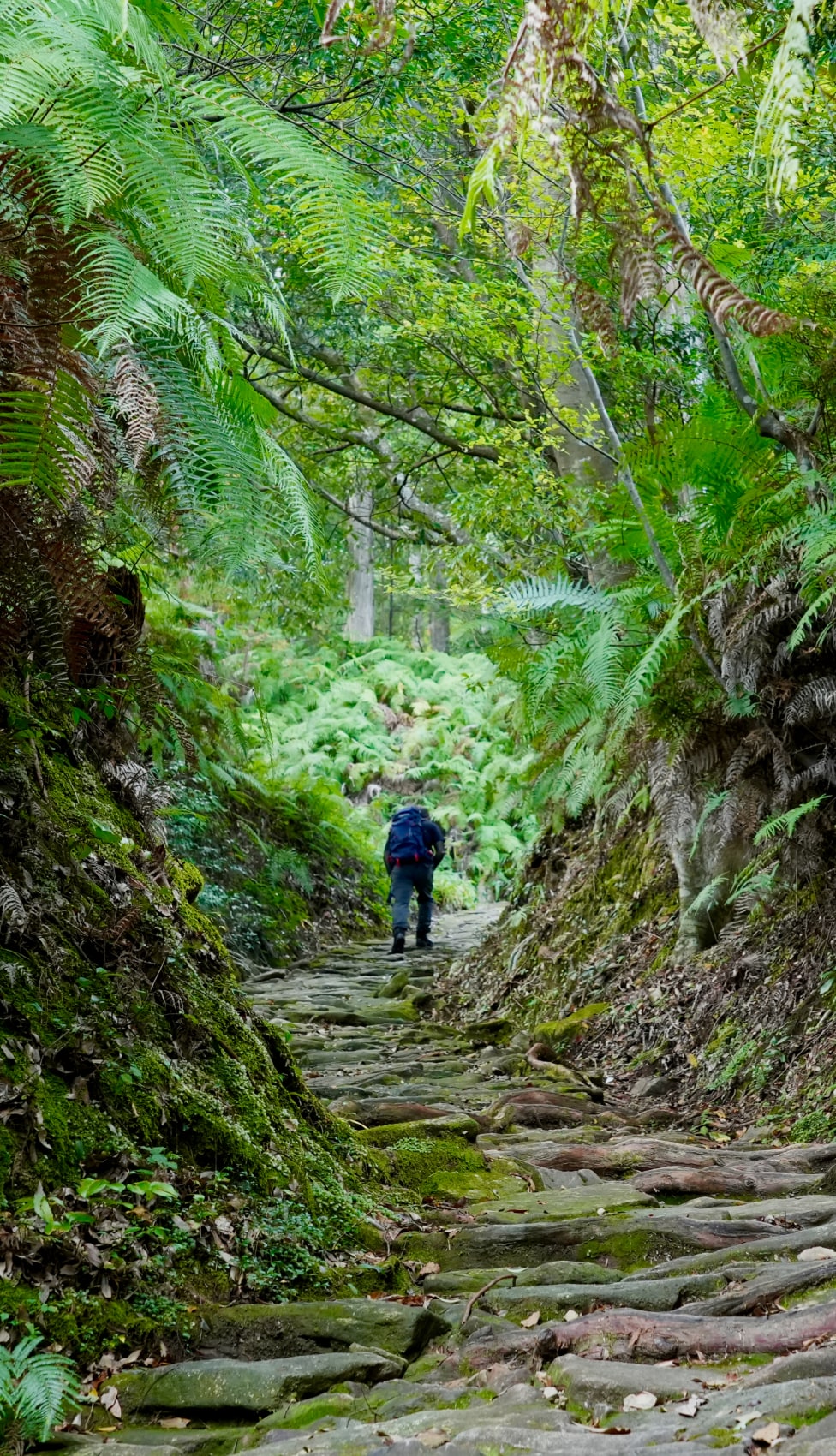
Traveling the Nakasendo or Kumano Kodo is more than a scenic walk; it feels like a pilgrimage into the spirit of Japan. As a historic crossroads for travelers, Nagoya offers the perfect place to pause. Before setting out again, take a moment to enjoy a bowl of matcha and restore your heart.