
4 Spectacular Spring Flower Spots Along the Nakasendo: History in Full Bloom
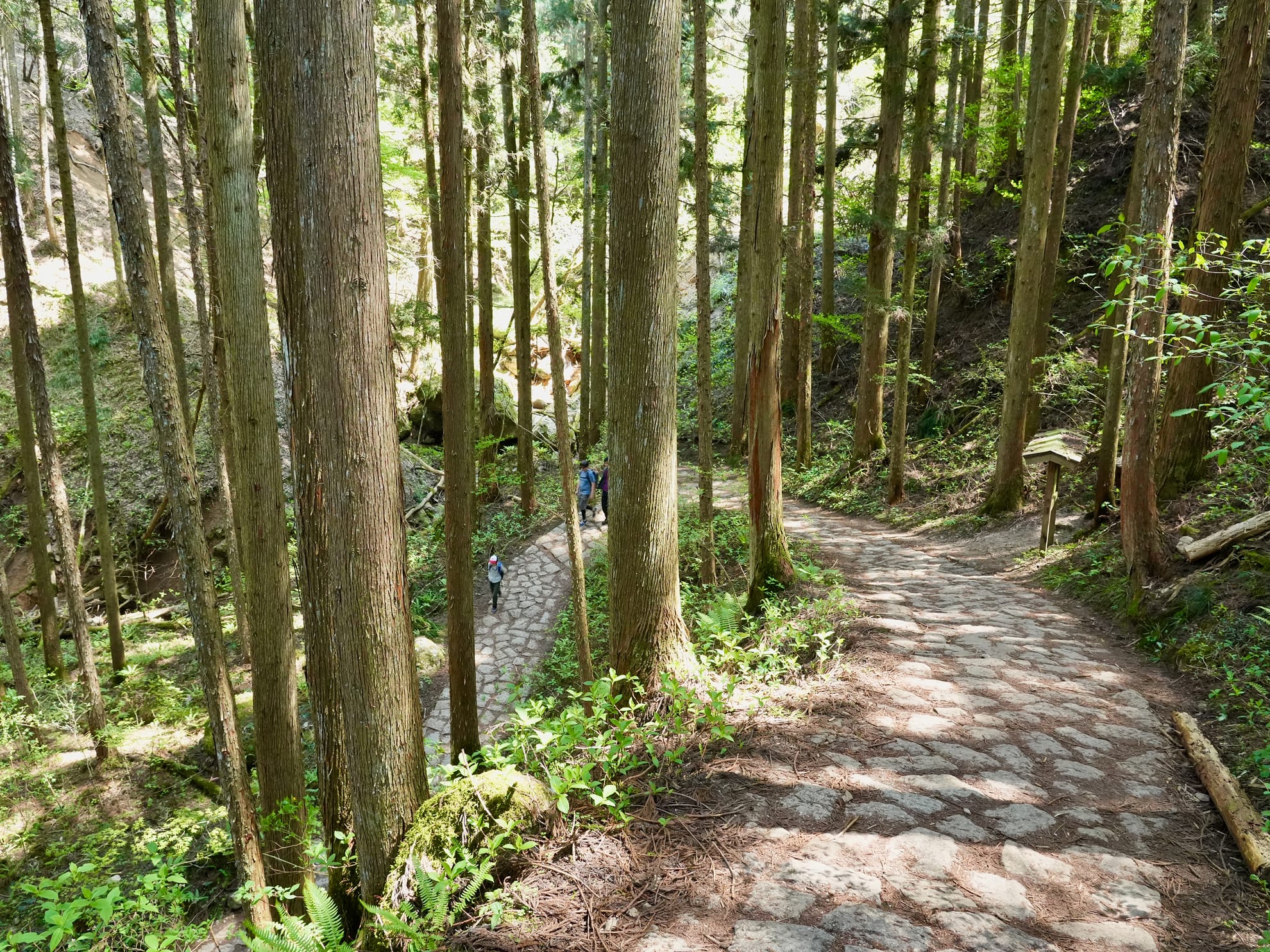
Walking the historic Nakasendo is an immersive journey into Japan's past, but adding a detour to see the spring blossoms elevates the experience with a burst of seasonal color. Here are four must-visit landmarks near the trail that beautifully blend the path's heritage with the fleeting beauty of spring's bloom.
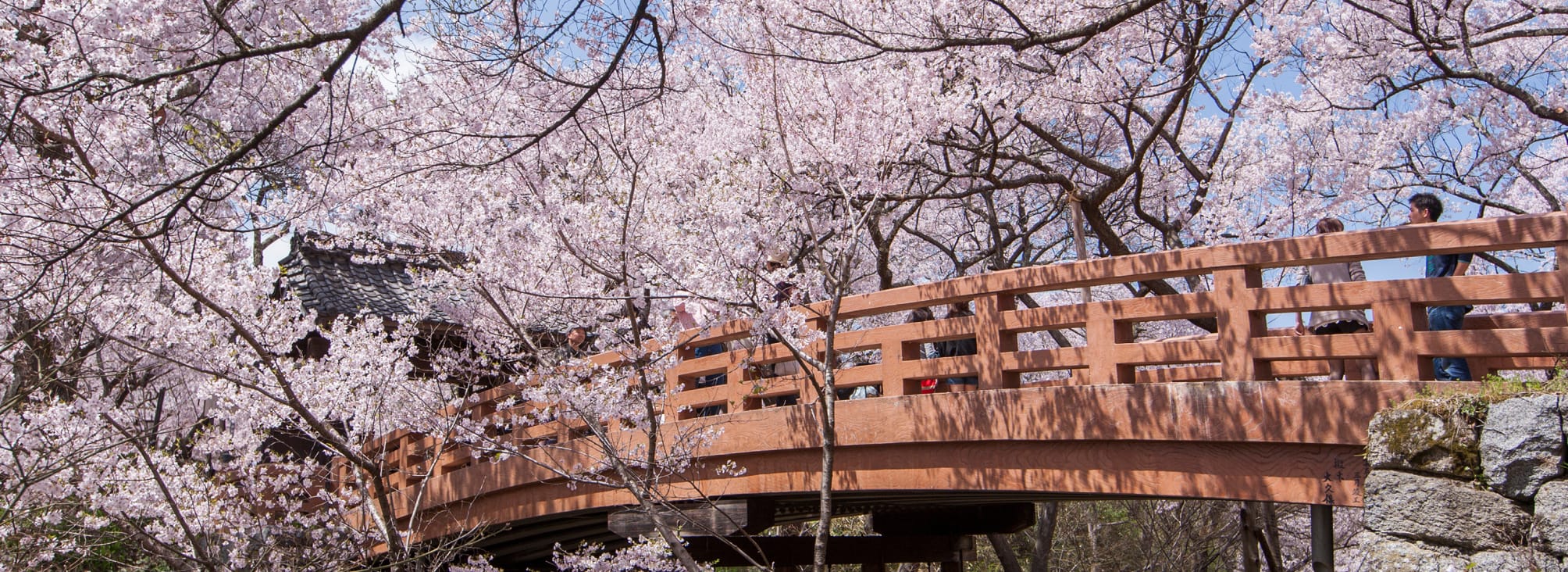
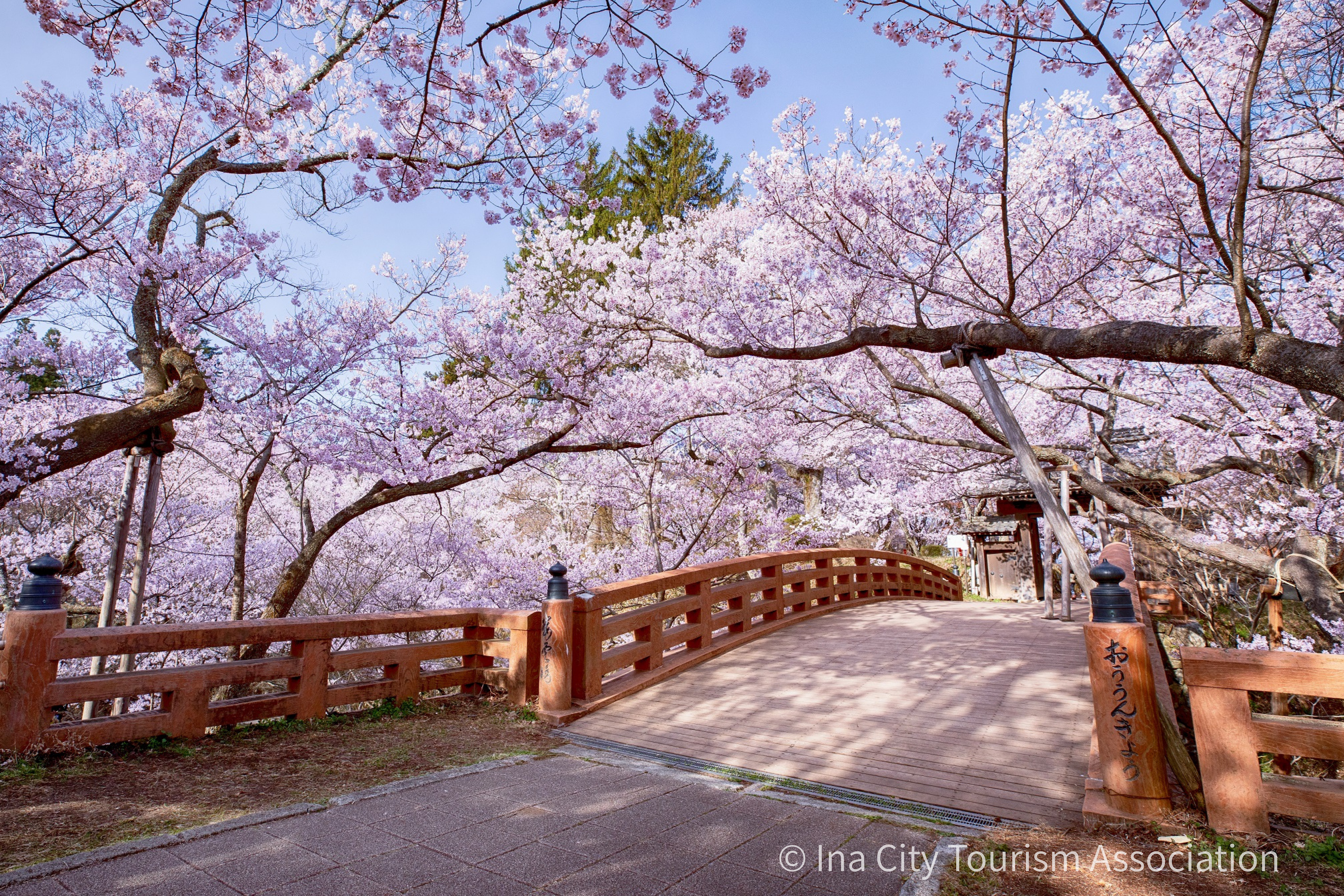
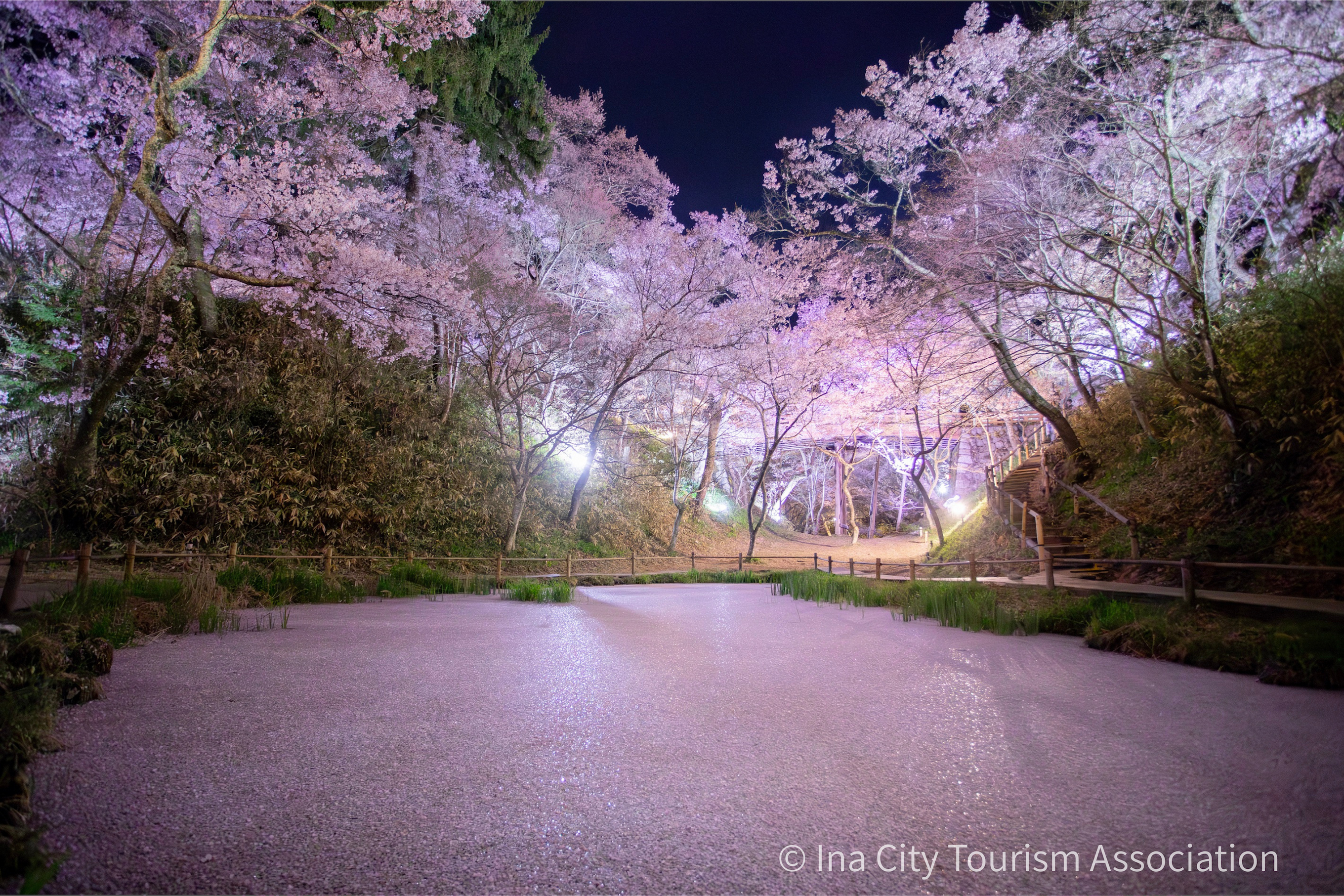
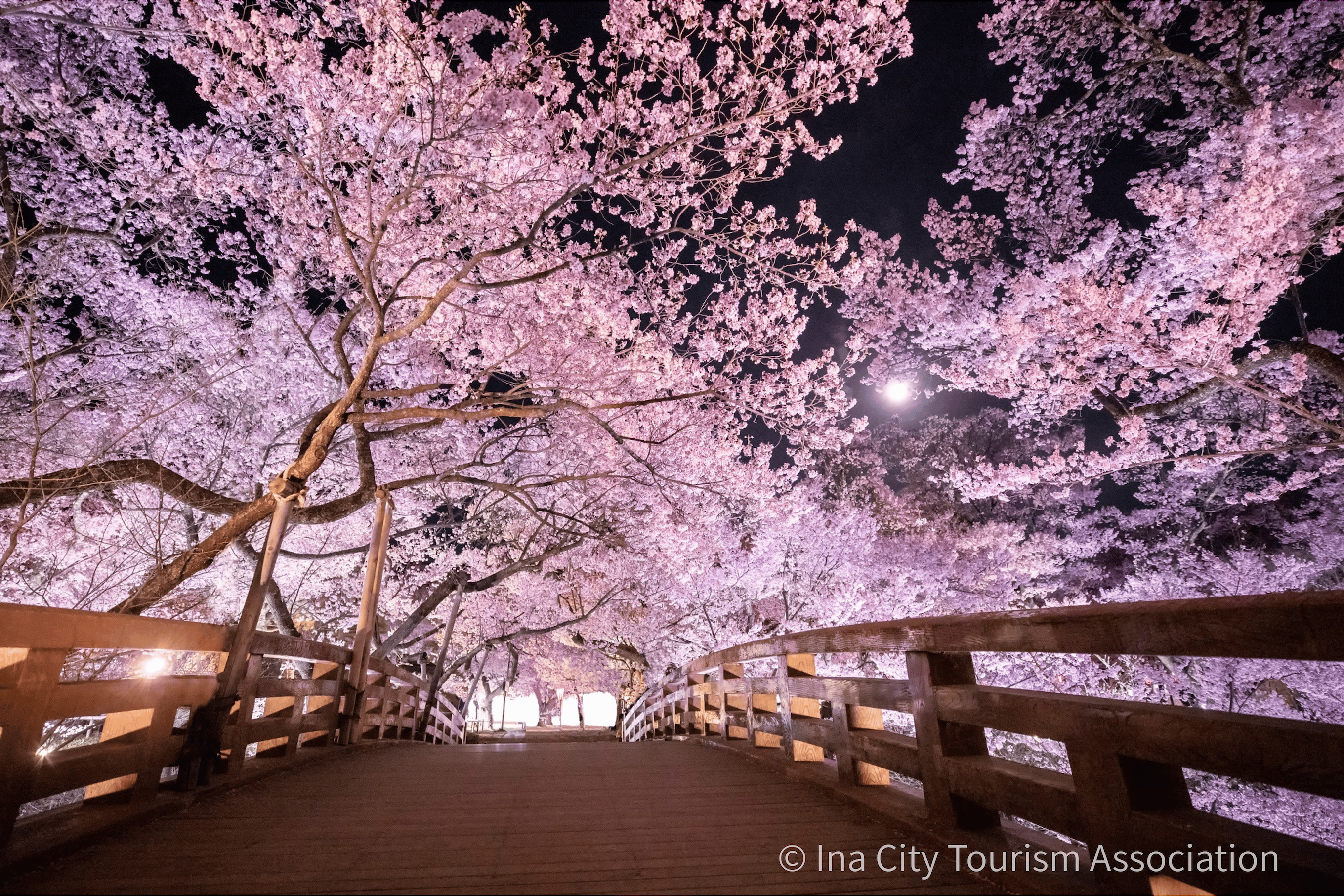
Takato Joshi Park in Ina City is widely celebrated as one of Japan’s most breathtaking cherry blossom destinations. After the local castle was dismantled during the Meiji era, former samurai began replanting the grounds with trees from the Sakura-no-Baba (horse-riding grounds). Today, some 1,500 Takato-kohigan-zakura trees—a variety known for its small, delicate petals and deep pink hue paint the park. These blossoms are so renowned that they have earned the title of Japan’s finest, drawing visitors from across the country every April.
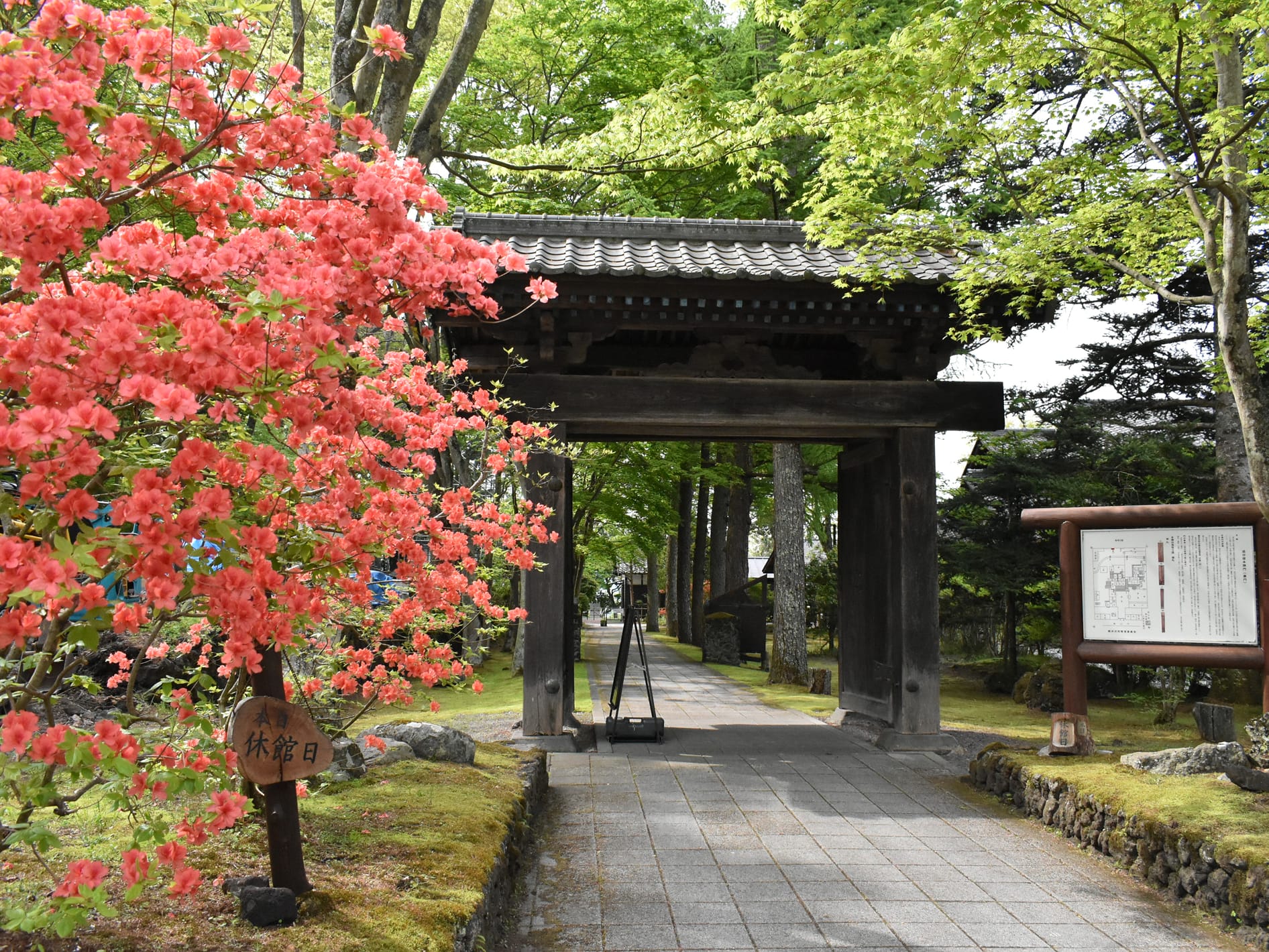
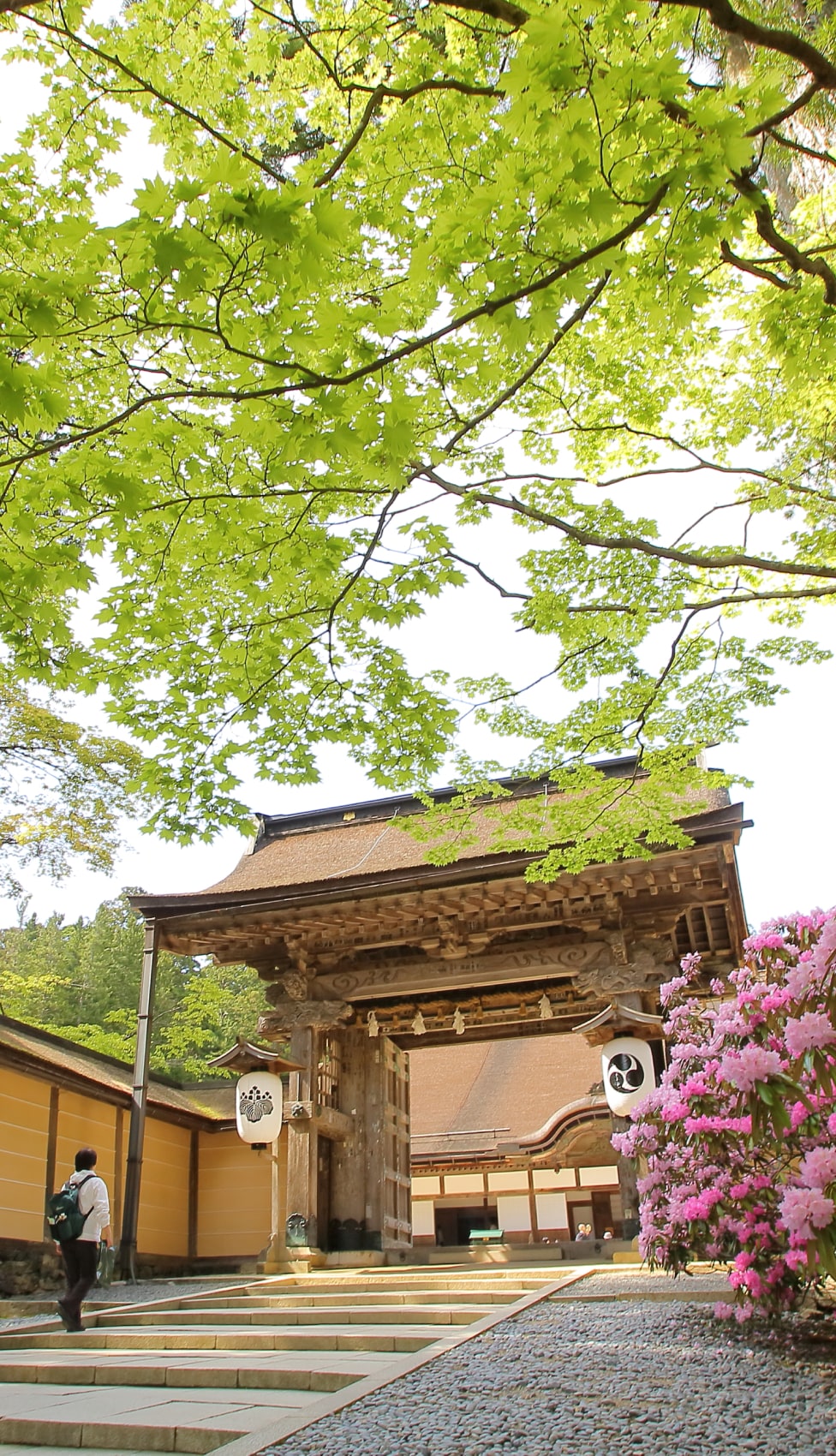
Among these, cherry trees of varying ages — including ancient specimens over 150 years old — come together to create one of the defining highlights of a spring journey along the Nakasendo. During peak bloom, the Sakura Festival fills the grounds with life, and the contrast between the blossoms and historic structures such as Takato-kaku and the Tonya-mon Gate. The autumn maple foliage is not to be missed.
Getting There: The park is a 30-minute drive from the Ina Interchange (IC), 50 minutes from the Suwa IC, or 25 minutes from the Ogurogawa Smart IC on the Chuo Expressway.
By train, take the JR Iida Line to Ina-shi Station, then ride a bus to Takato Station from the Ina Bus Terminal for about 25 minutes. From Takato Station, it’s a 20-minute walk or a 5-minute taxi ride.
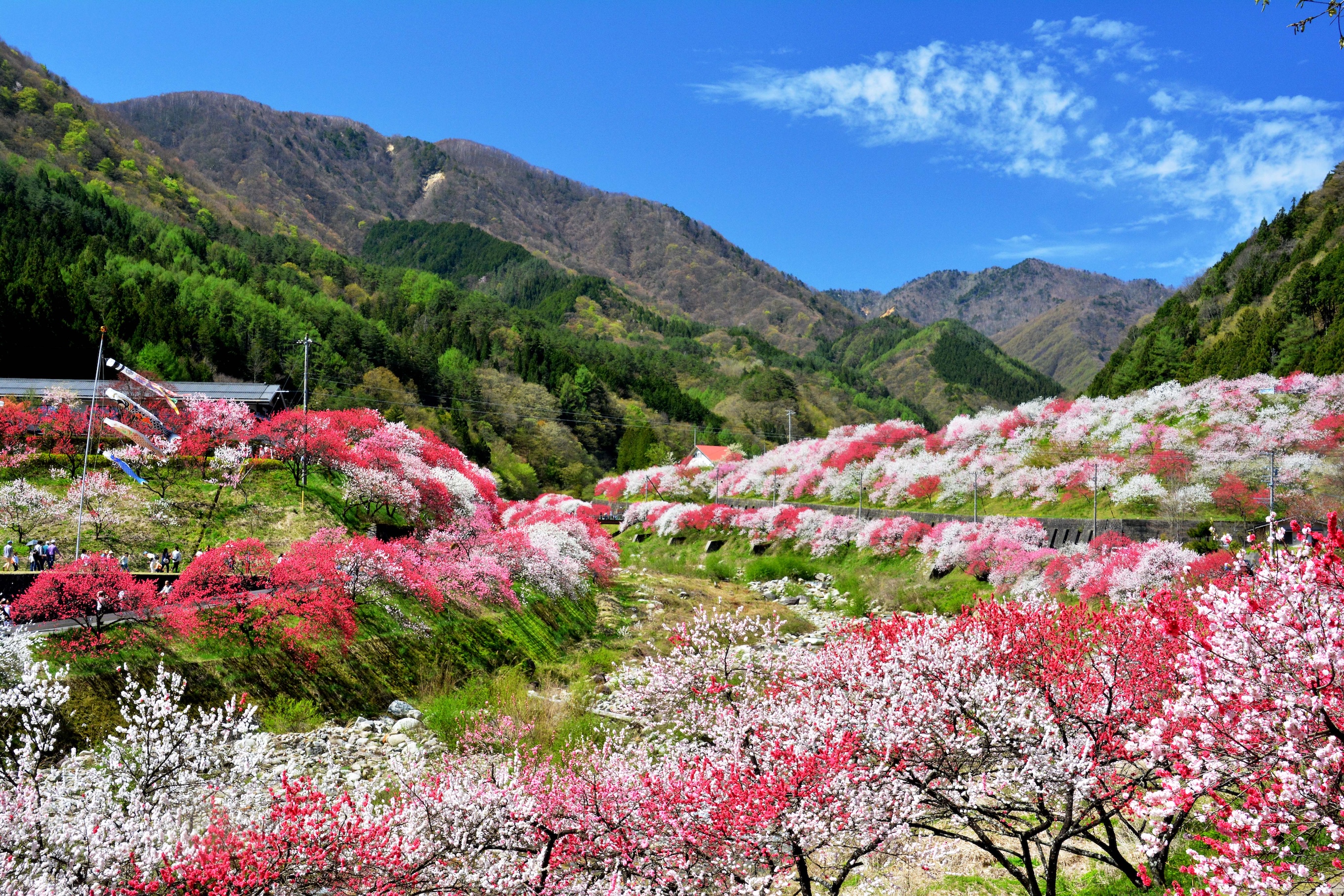
For a different palette of spring colors along the Nakasendo and Tosando routes, look no further than Hanamomo-no-Sato in Achi Village. Around the Tsukigawa Onsen area, approximately 5,000 flowering peach trees create a stunning landscape of red, white, and pink. These trees first took root in the Kiso region after Momosuke Fukuzawa, an entrepreneur, brought seedlings back from Munich, Germany. They typically reach their peak from mid-to-late April, just in time for the annual Hanamomo Festival.
Getting There: The area is easily reached via the Iida-Yamamoto or Sonohara Interchange (IC) on the Chuo Expressway. By train, take a bus or taxi from JR Iida Station on the Iida Line.
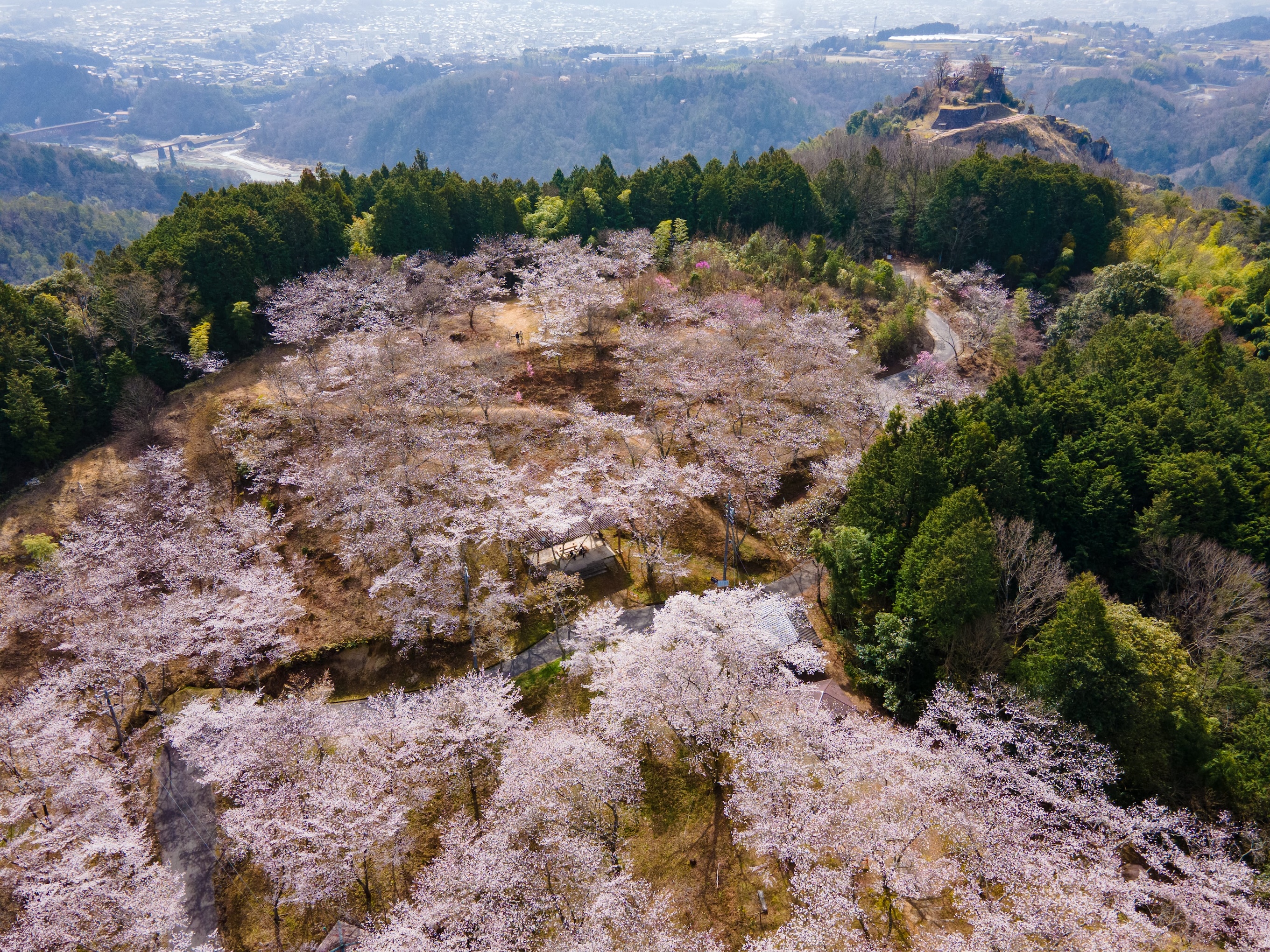
Perched on the northern slopes of the Naegi Castle ruins, Naegi Sakura Park is home to around 700 cherry trees. Because the park sits at a higher elevation, the blossoms tend to peak slightly later than in the city center—usually early to mid-April—earning it a spot among Gifu Prefecture's top floral destinations. During the season, visitors can enjoy evening illuminations and the local Sakura Festival, with the view from the observation deck looking down over the pink-canopied slopes being a particular favorite.
Getting There: It is a 10-minute drive from the Nakatsugawa Interchange (IC) via the Shiroyama Ohashi Bridge. Via public transit, take a Kita-Ena Bus (bound for Tsukechi-kyo) from JR Nakatsugawa Station, get off at the Naegi stop, and enjoy a 30-minute walk to the park.
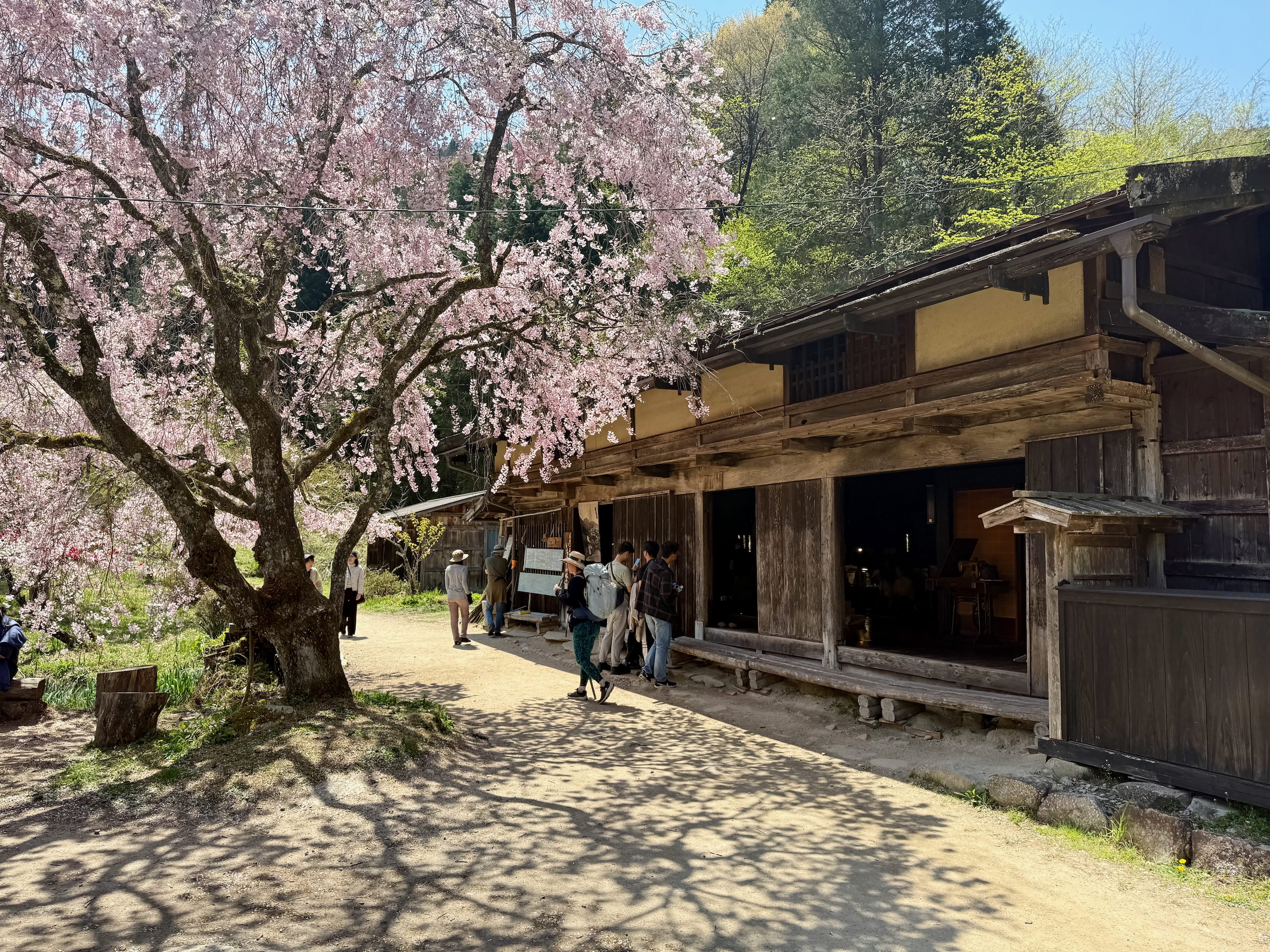
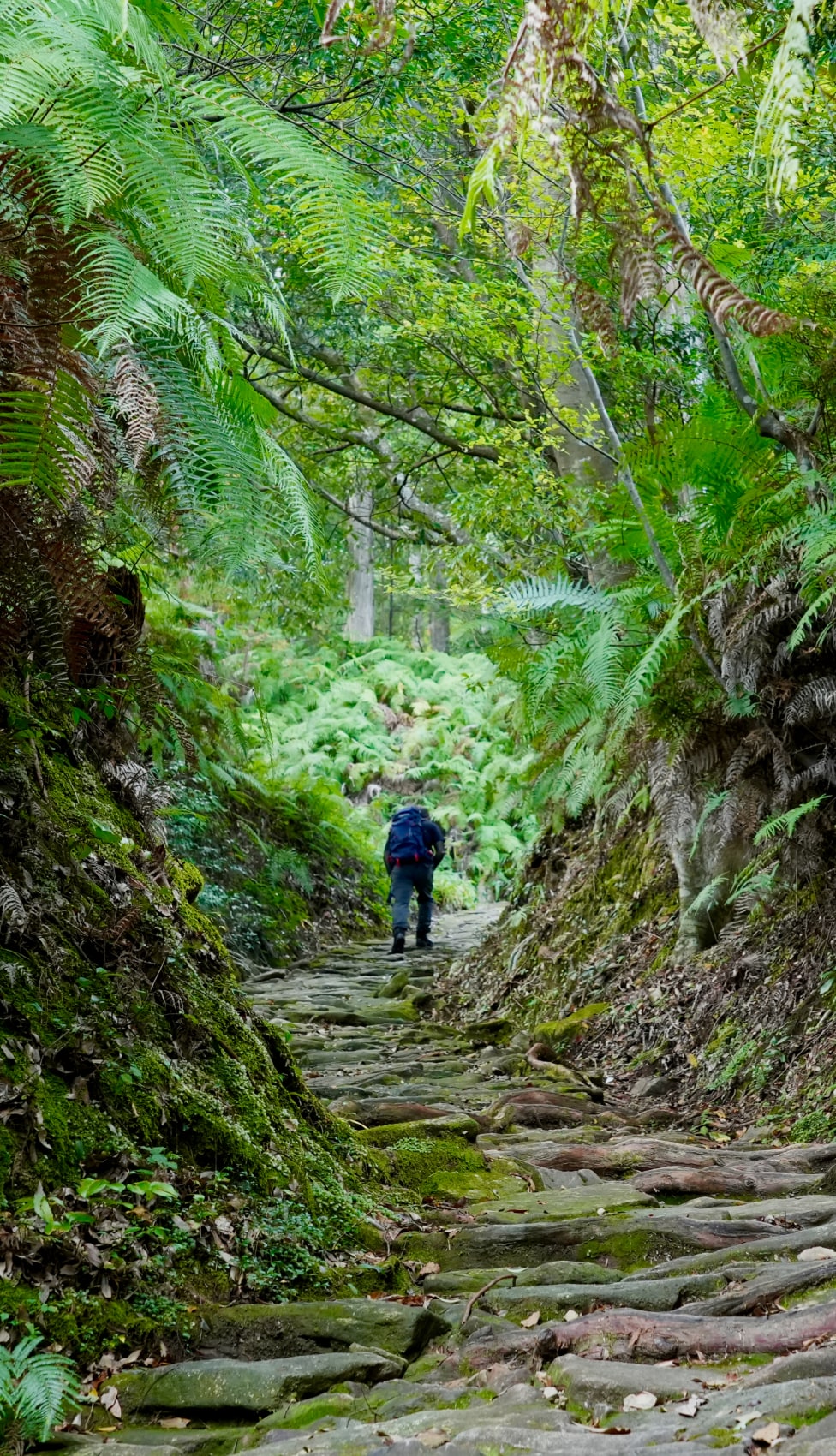
The Nakasendo’s most famous post towns, Tsumago and Magome, are essential for any itinerary. Tsumago, the first town in Japan designated as a Preservation District for Groups of Traditional Buildings, still feels like a living museum of the Edo period. Along the hiking trail connecting the two towns, you will find the Ichikokutochi tea house, where a magnificent weeping cherry tree frames the historic path. It is an ideal spot to pause and appreciate the harmony between the ancient trail and the seasonal blossoms.
Getting There: Tsumago is a 10-minute bus ride from JR Nagiso Station (one hour from Nagoya on the Limited Express Shinano). By car, it is 30 minutes from the Nakatsugawa Interchange (IC) heading toward Kiso-Fukushima. Magome can be reached by a 25-minute bus ride from JR Nakatsugawa Station or a 20-minute drive from the Nakatsugawa IC.
Related Articles: Magome-juku to Tsumago-juku — Follow the Footsteps of Travelers Past
A spring journey along the Nakasendo offers a rare chance to see Japan’s history and its iconic flowers in a single trip. Be sure to check out the latest bloom forecasts and travel updates from local tourism boards before you set off.