
 Nagoya
[Writer]
By John Asano
A Journey Through Central Japan
Having arrived in Nagoya via Centrair International Airport with Finnair, I was ready to begin a journey through the heart of Japan, exploring ancient pilgrimage trails, beautifully preserved mountain villages, dramatic coastal landscapes, and vibrant local culture. This would be a journey beyond Japan’s well-trodden Golden Route between Tokyo and Kyoto. Nagoya was my starting point and the ideal gateway to exploring the rich history and cultural heritage of central Japan.
From Nagoya Station, I boarded a JR Central Limited Express train to Nakatsugawa in Gifu Prefecture. The 50-minute scenic ride took me through lush valleys and spectacular mountain scenery. Outside Nakatsugawa Station, I hopped on a local Kita-Ena bus bound for my first stop of Magome-juku.
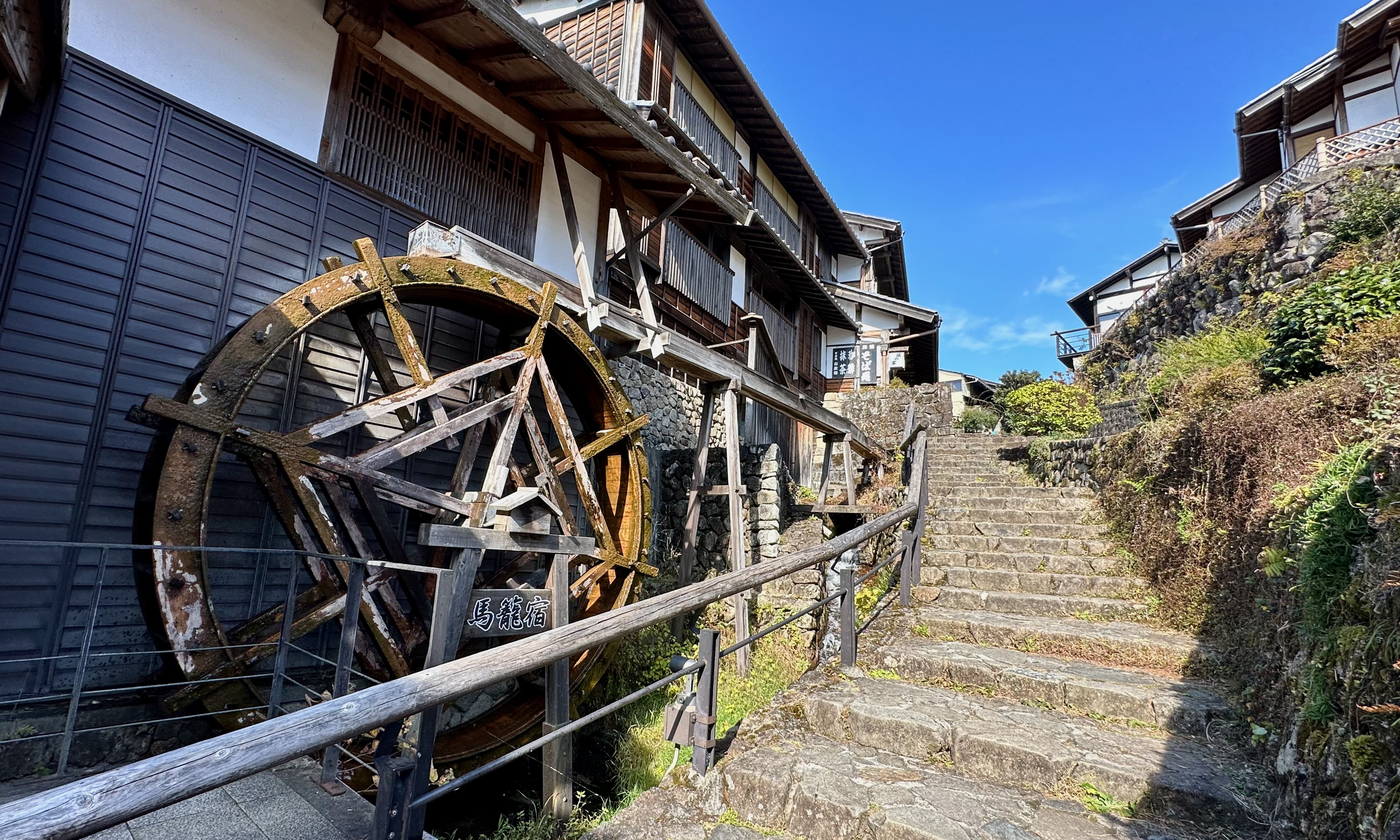
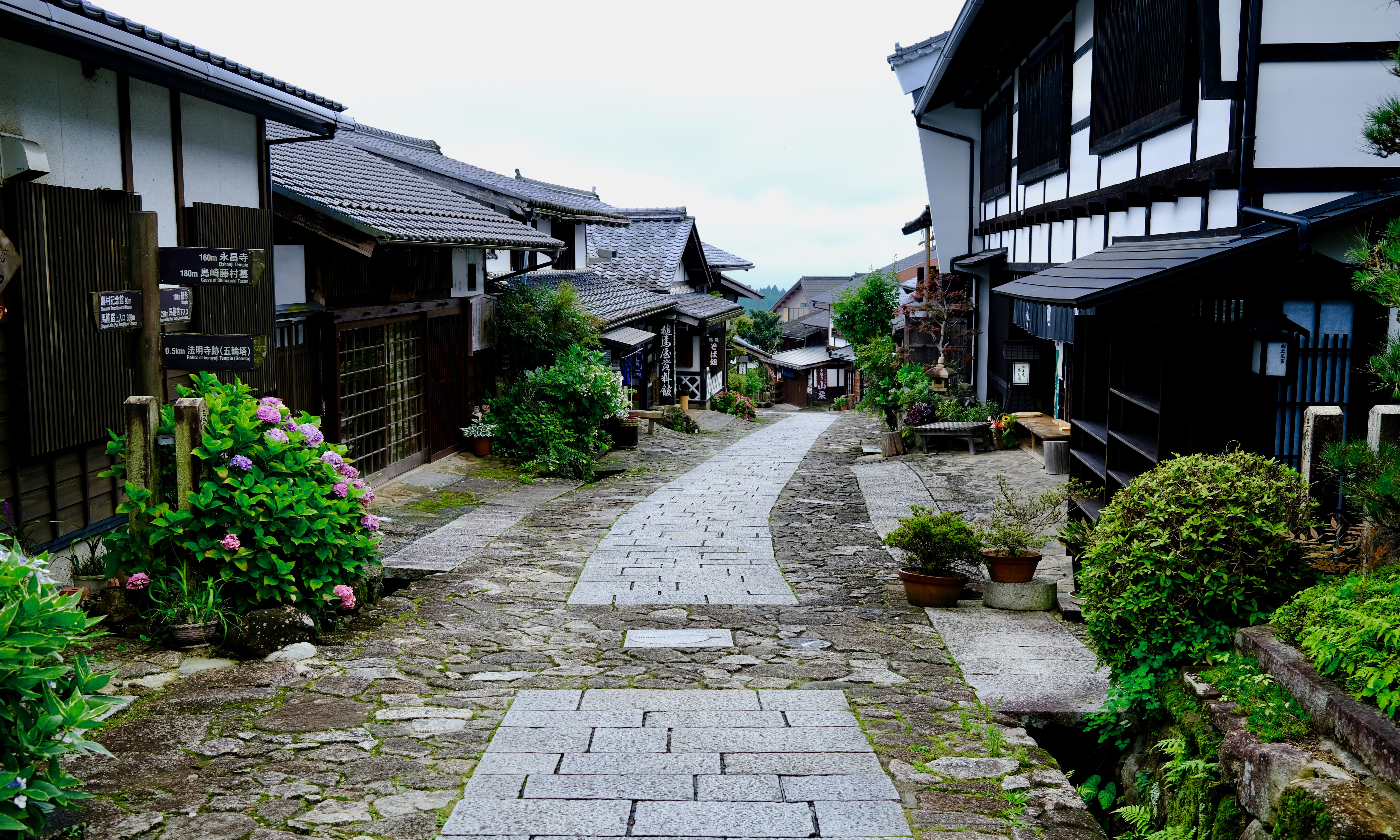
A cool mist drifted through the air as I stepped onto the empty stone path. For a few minutes, Magome-juku belonged only to the sound of silence and the scent of cedar. I had arrived in Magome first thing in the morning, hoping to experience the historic post town before the day’s crowds appeared. The historic townscape of traditional wooden buildings with lattice windows and stone-paved streets was like taking a step back in time to the age of the samurai.
The beautifully preserved Edo-period (1603-1868) post town in the Kiso Valley of southern Gifu Prefecture seems frozen in time. The first thing that caught my eye was the waterwheel and the steep, sloping cobblestone streets. One feature that immediately caught my attention was that the main street is built with sharp right-angle bends. I was fascinated by this as I had never seen anything like it before. Striking up a conversation with an elderly souvenir shop owner, I soon discovered that it was a defensive layout designed to slow advancing enemies and prevent them from seeing directly up the street.
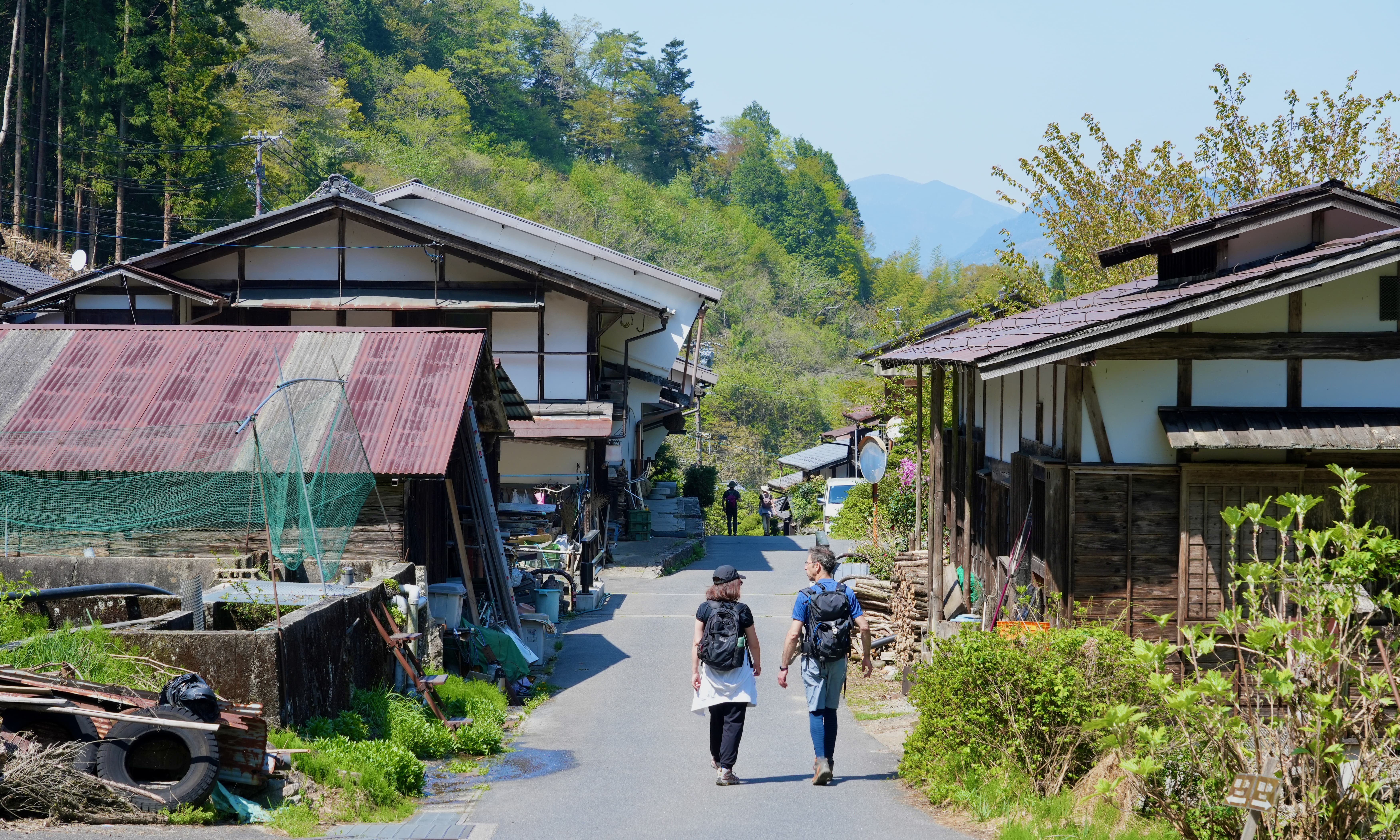
For anyone wanting to experience the Nakasendo on foot, Magome-juku is the perfect place to begin. The Nakasendo was a historic mountain route once travelled by samurai, merchants and pilgrims that connected Edo (modern-day Tokyo) to the ancient capital of Kyoto. After stopping for a quick drink, I was ready to start hiking the 8 km Nakasendo Nature Trail which connects to Tsumago-juku in Nagano Prefecture.
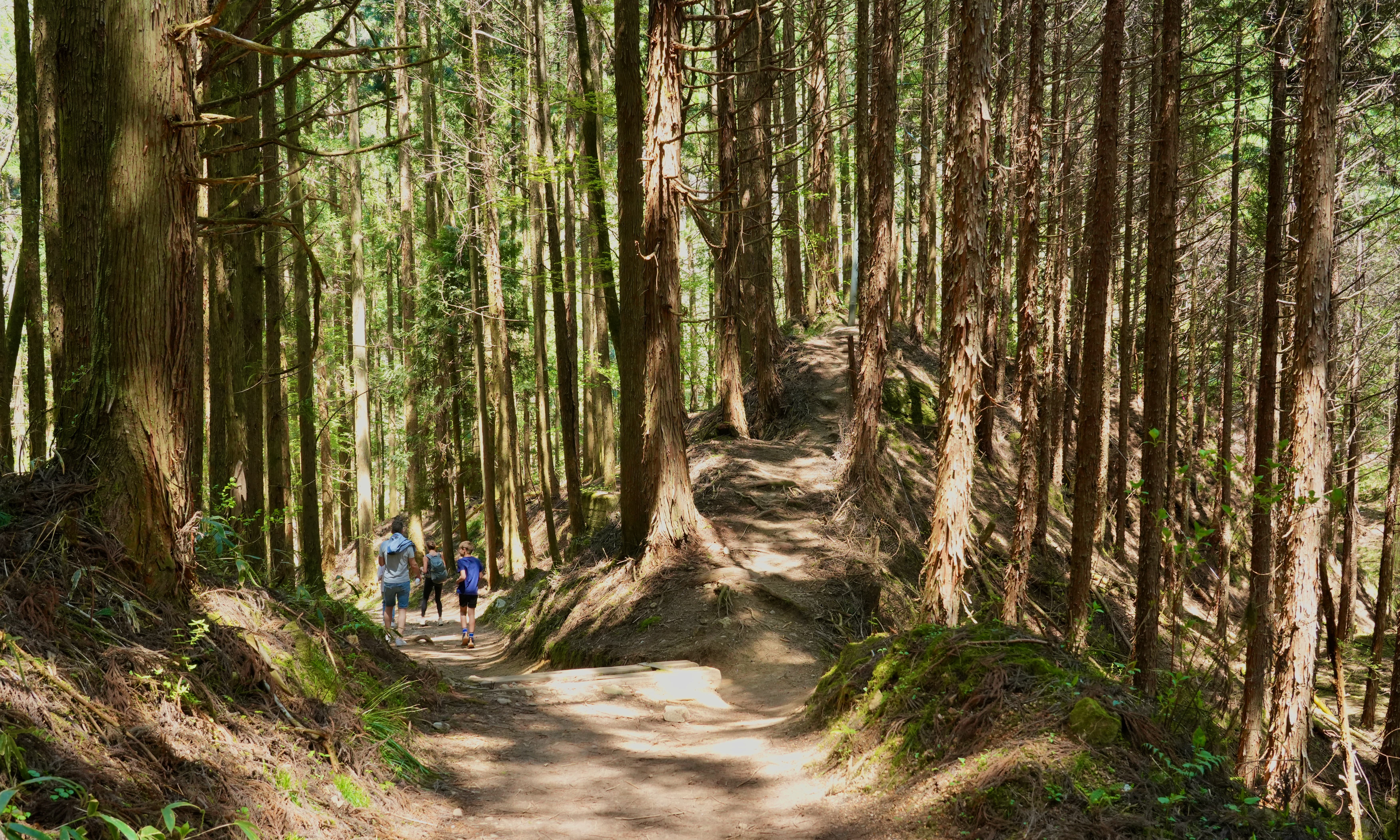
After leaving Magome-juku, I followed the gentle 2 km incline up to the Magome Pass (About 800m), the highest point of the hike. This was undoubtedly the most challenging section of the hike, but the mountain views more than made up for it. Once I hit the Magome Pass, it was a 6 km descent through cedar forests and waterfalls to Tsumago-juku. Halfway through the hike, I was glad to come to the Tateba Tea House, where I paused to rest and enjoy some hot green tea and Japanese sweets. The final stretch of the hike was my favorite part of the trek, with the old stone path through the lush green forest reinvigorating me for the next part of my journey.
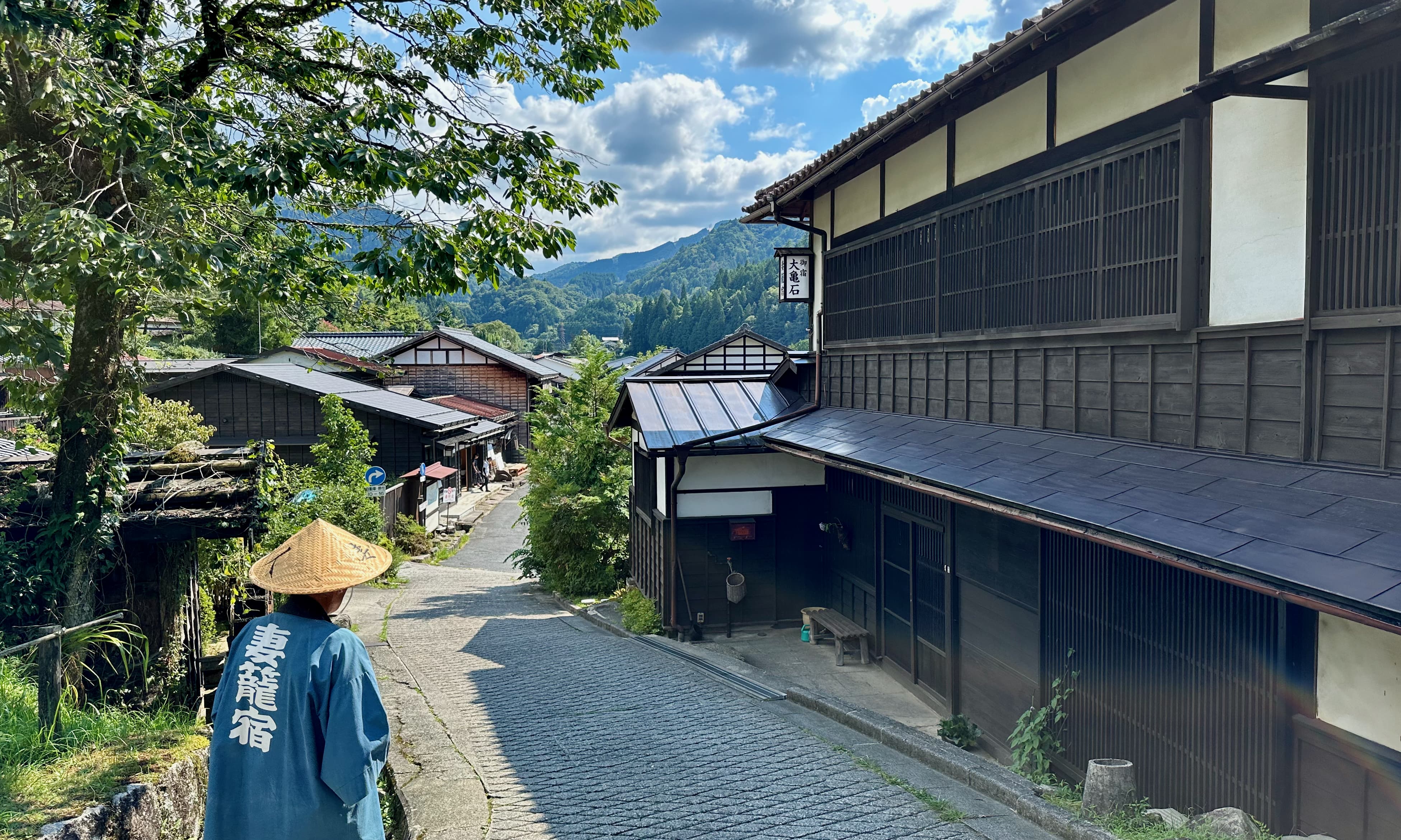
I arrived at Tsumago-juku in the late morning and was thrilled to have the place almost to myself. Few places capture the atmosphere of old Japan as authentically as Tsumago-juku, with telephone poles, power lines, and TV antennas hidden underground to protect the purity of the historic streetscape. I was also pleasantly surprised that I couldn’t hear any cars. The main street is closed to all car traffic from 10:00 AM to 4:00 PM, leaving the streets to pedestrians. Tsumago-juku felt noticeably quieter than Magome-juku, and the dark-timber architecture of the buildings really stood out.
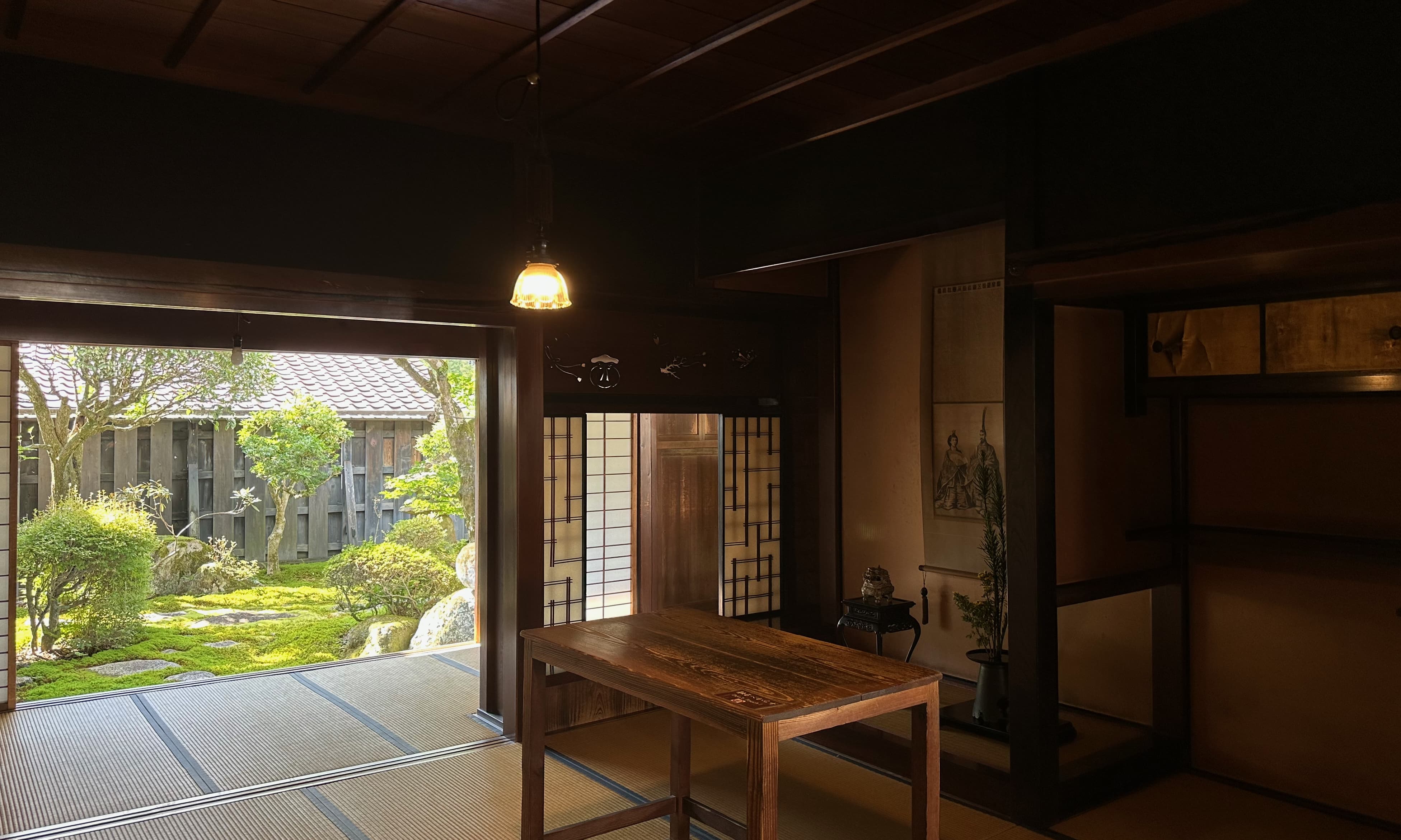
The most memorable experience for me was visiting the Waki-Honjin Okuya, originally an inn for high-ranking officials. I found myself slowing down, quietly absorbing the peaceful atmosphere as I sat by the open hearth watching the rays of sunlight piercing the roof slats. Long after I left Magome-juku and Tsumago-juku, it wasn’t the photographs that stayed with me the most. It was the silence between the trees during my hike, and the feeling as though I had briefly stepped back into Edo-period Japan.
Luckily, I was able to take advantage of the seasonal bus service from the Nakasendo to Hida Takayama. The Nohi Bus Magome/Tsumago Line connects the historic Nakasendo post towns with Takayama in less than three hours.
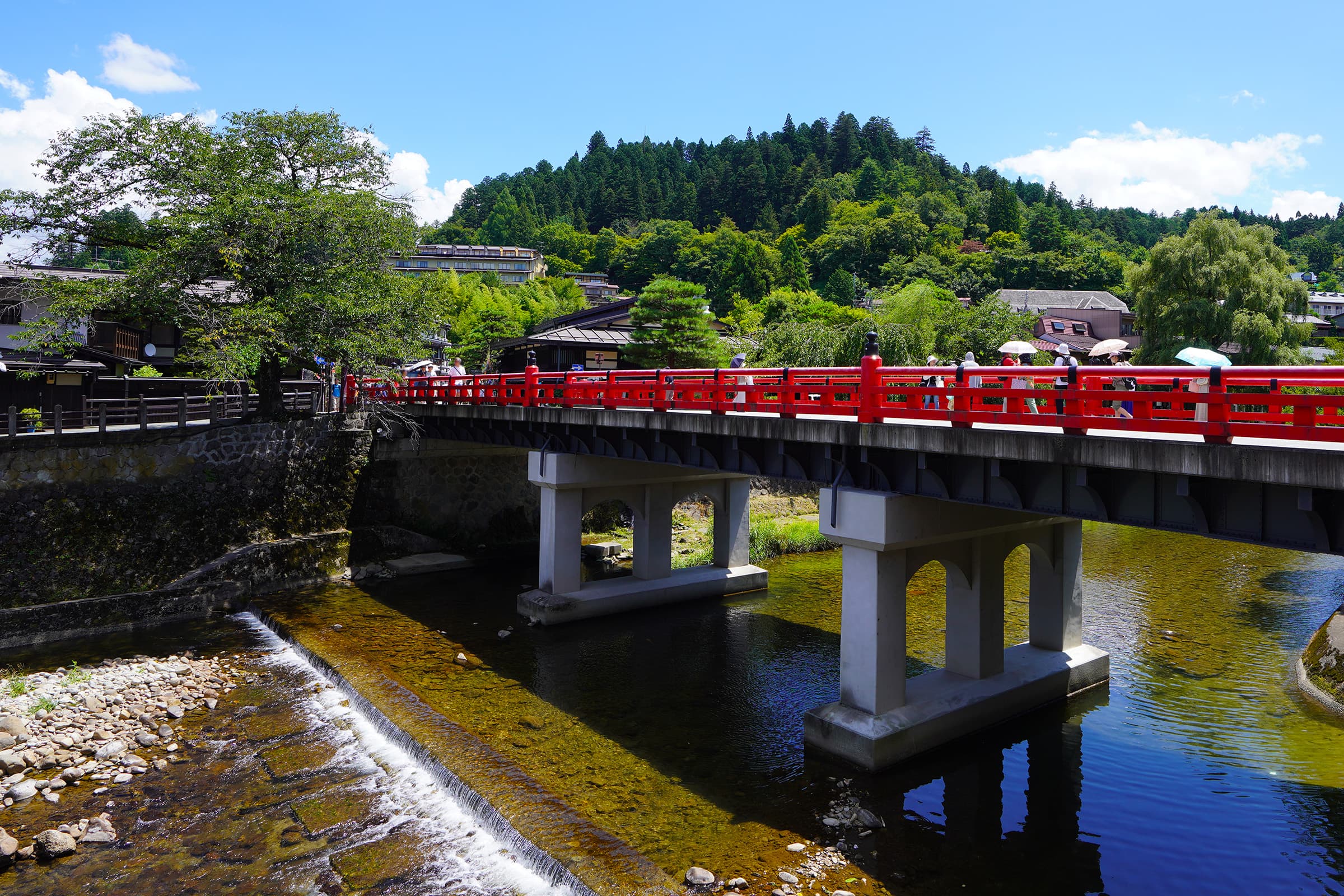
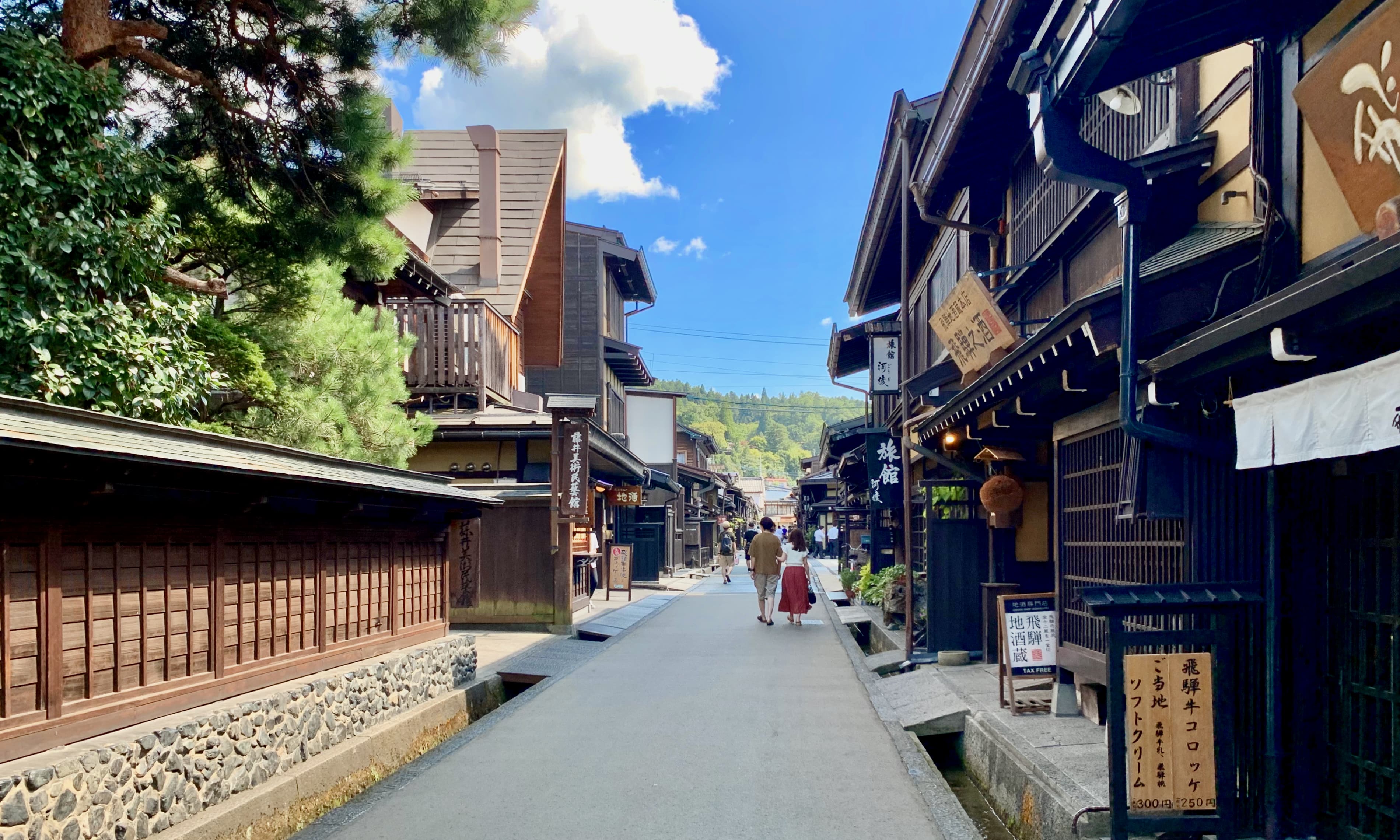
The enticing aroma of grilled Hida beef and sweet sake welcomed me as I stepped off the bus at Takayama Station. I had arrived early in the hope of beating the crowds to this historic city in Gifu Prefecture, nestled in the heart of the Japanese Alps. My first stop was Sanmachi Suji, the beautifully preserved old town, just a short walk from the station.
As I wandered through the streets lined with 400-year-old wooden merchant houses, I could almost feel the atmosphere of the Edo period. The dark wooden buildings have remained remarkably unchanged over the centuries, making this one of Japan’s best-preserved historic districts.
One thing that immediately stood out was the remarkable variety of locally made traditional crafts. Inside the souvenir shops, shelves were filled with rich amber lacquerware and beautifully carved figurines made from local yew wood. My favorite discovery was the charming sarubobo, a small monkey-shaped amulet whose name means baby monkey. Sarubobo are traditionally sewn without a face, a design said to date back generations, since a blank expression cannot show a fixed emotion and so leaves the doll free to bring good fortune of any kind to its owner. Naturally, I couldn’t resist buying one to attach to my backpack as a keepsake of my visit.
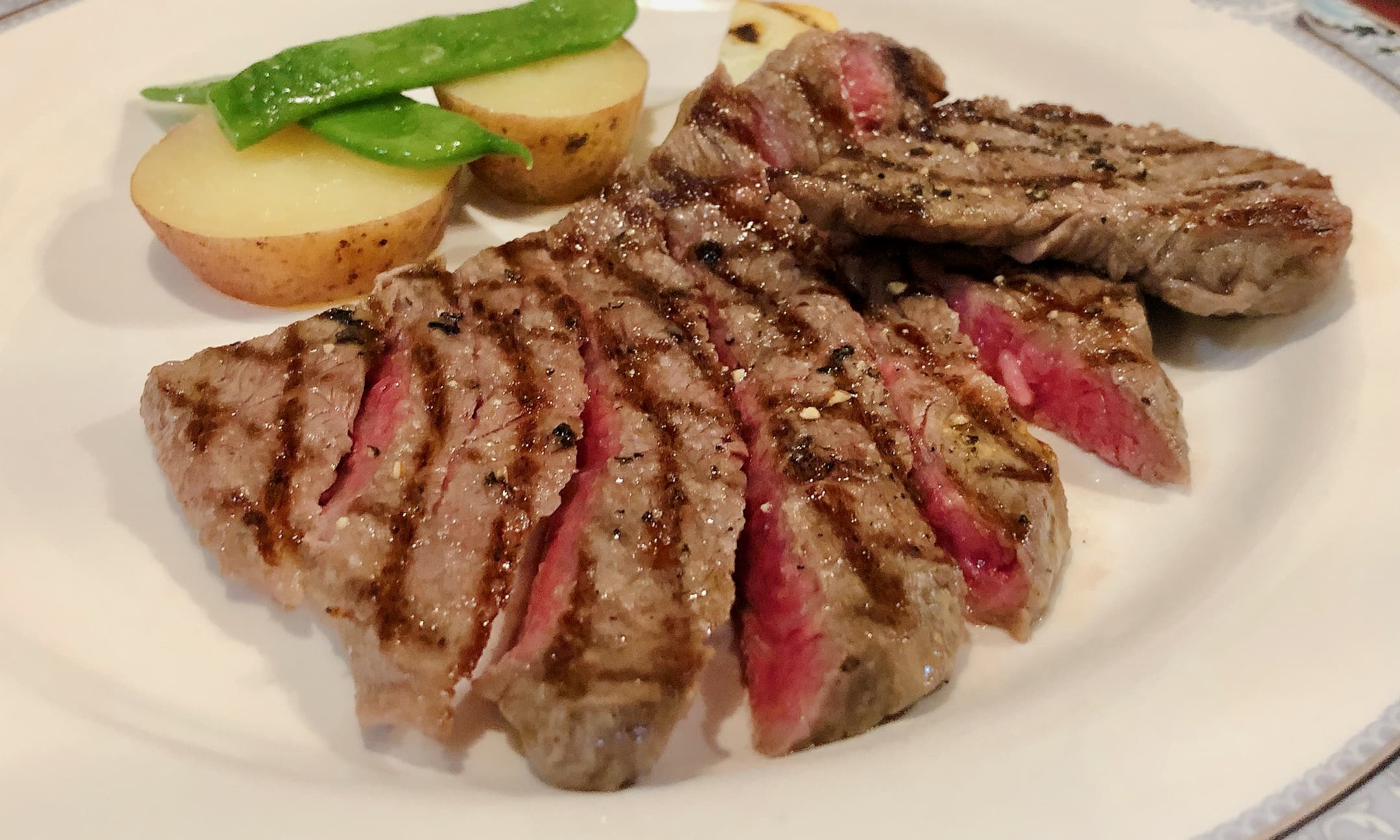
After exploring the old town, I had worked up quite an appetite and was more than ready to sample Takayama’s most famous delicacy – Hida beef. The finely marbled wagyu melted effortlessly in my mouth. Its delicate pink color, reminiscent of cherry blossoms, made it almost too beautiful to eat.
From Takayama Station, I boarded the Nohi Express Highway Bus for my next destination, the UNESCO World Heritage village of Shirakawa-go, hidden deep in the mountains of Gifu Prefecture.
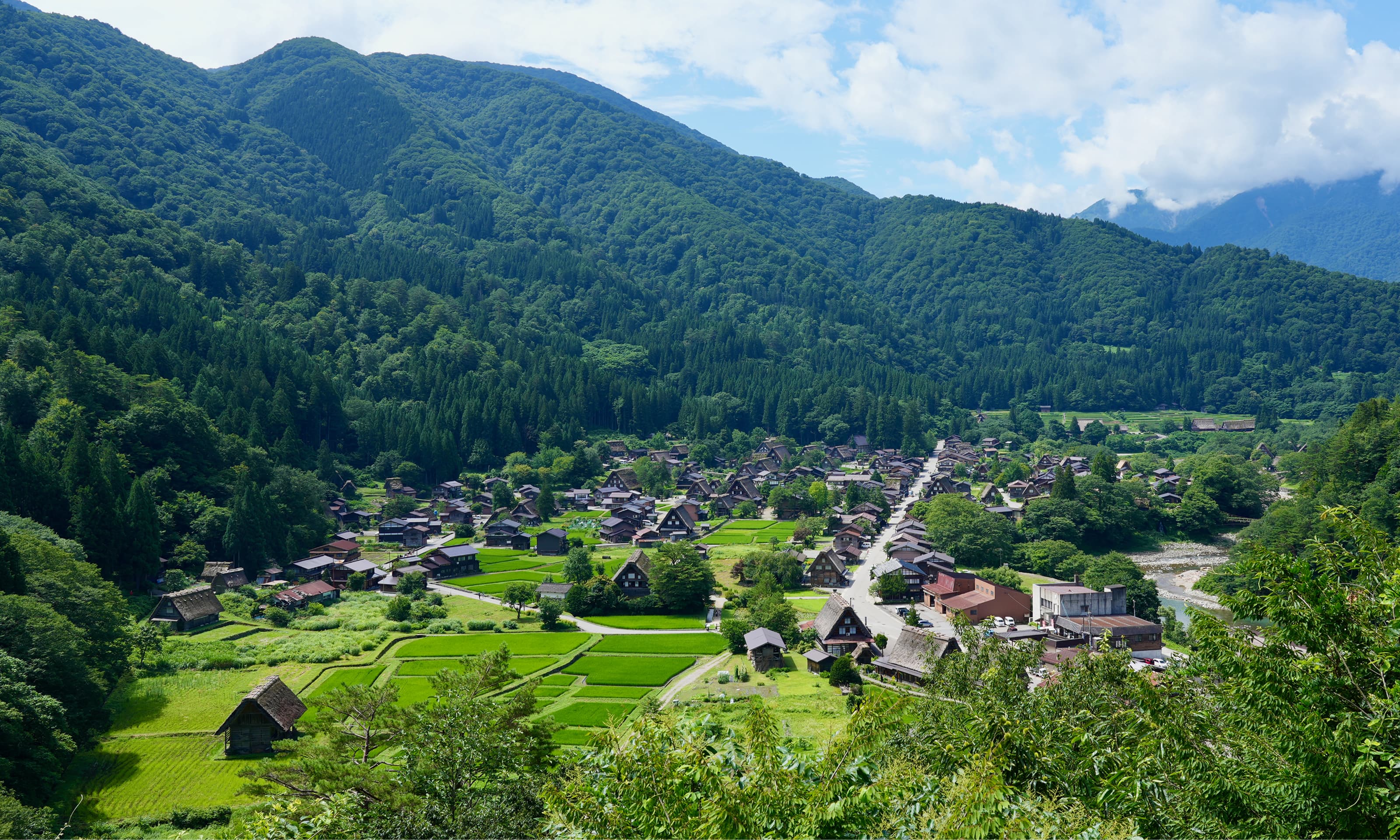
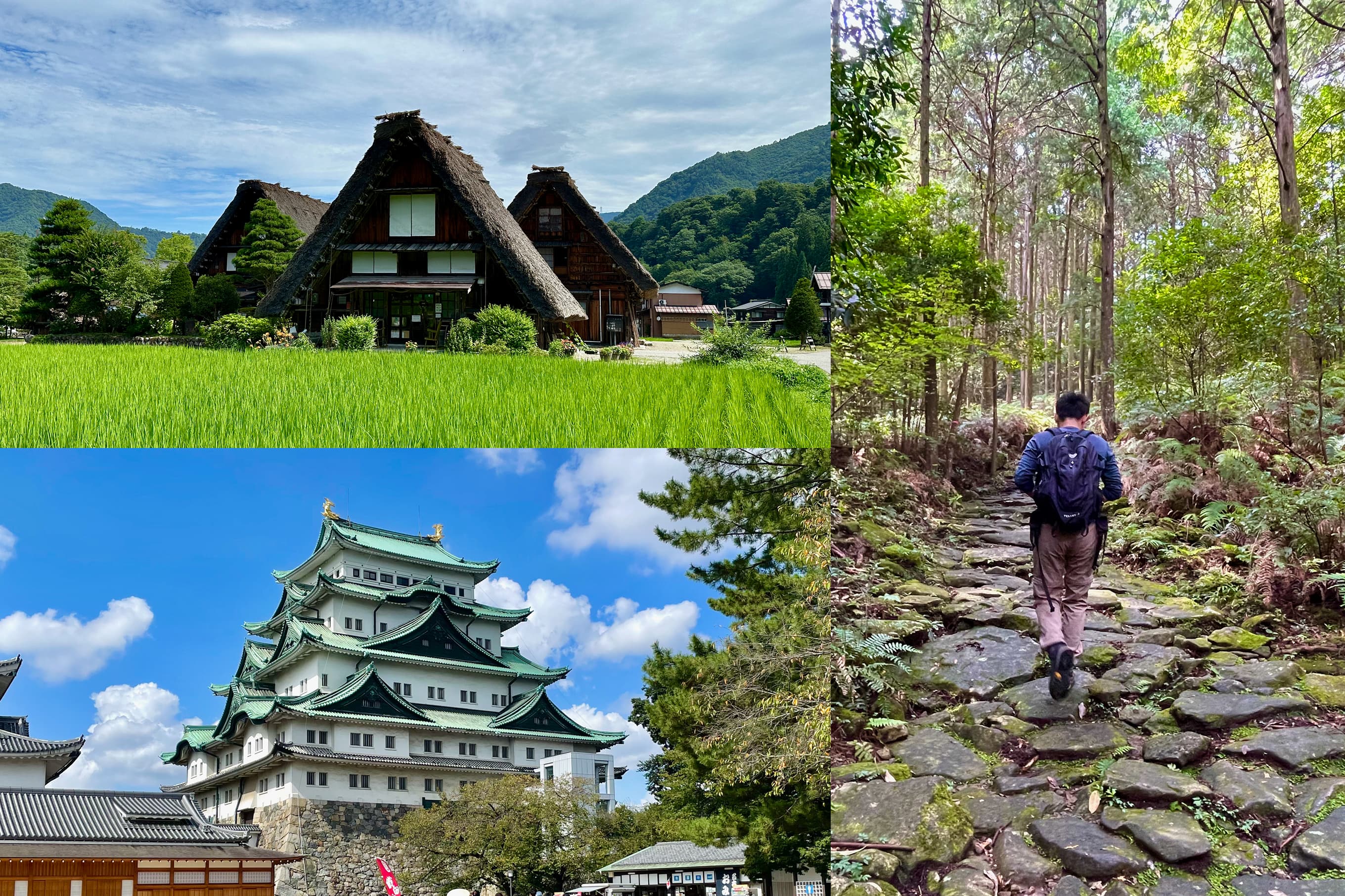
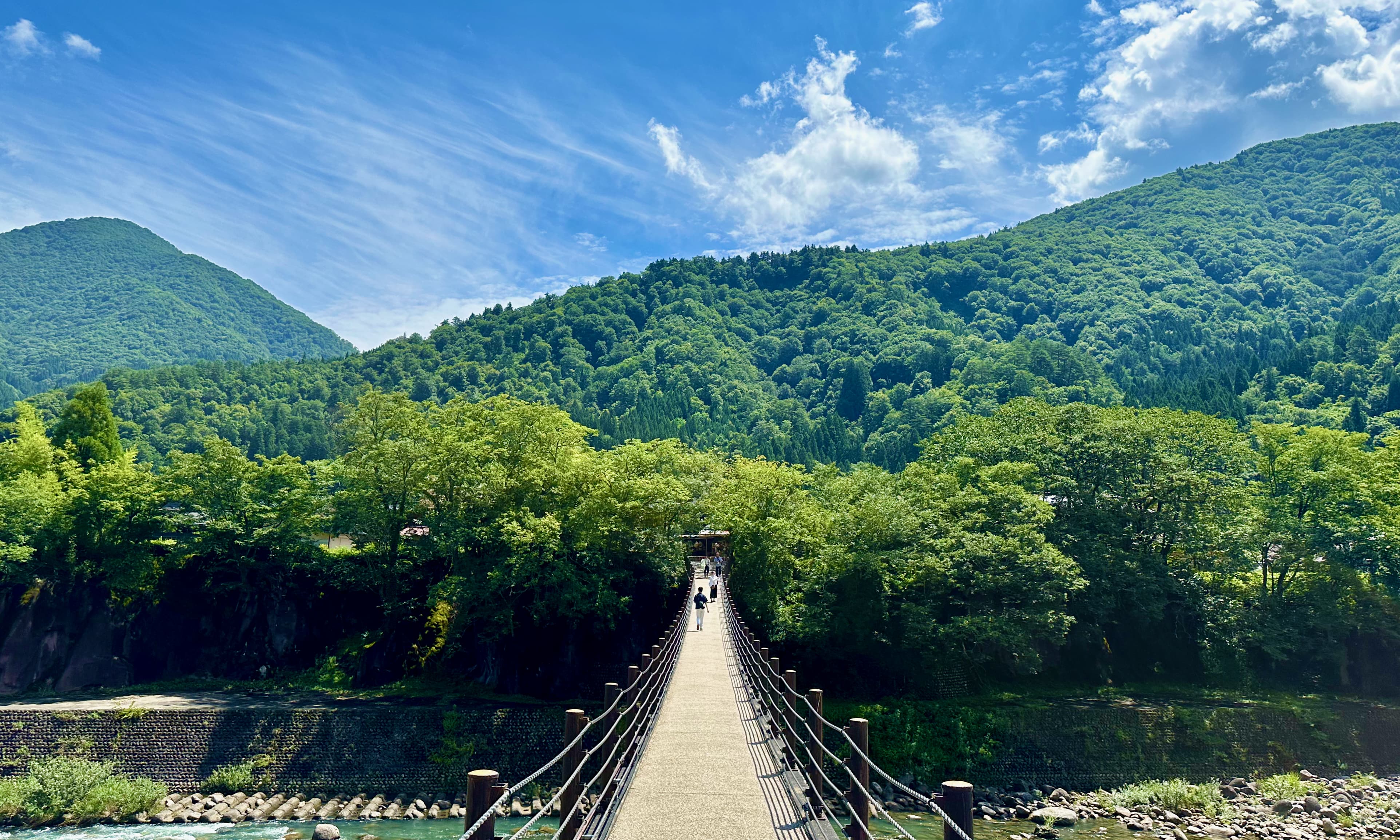
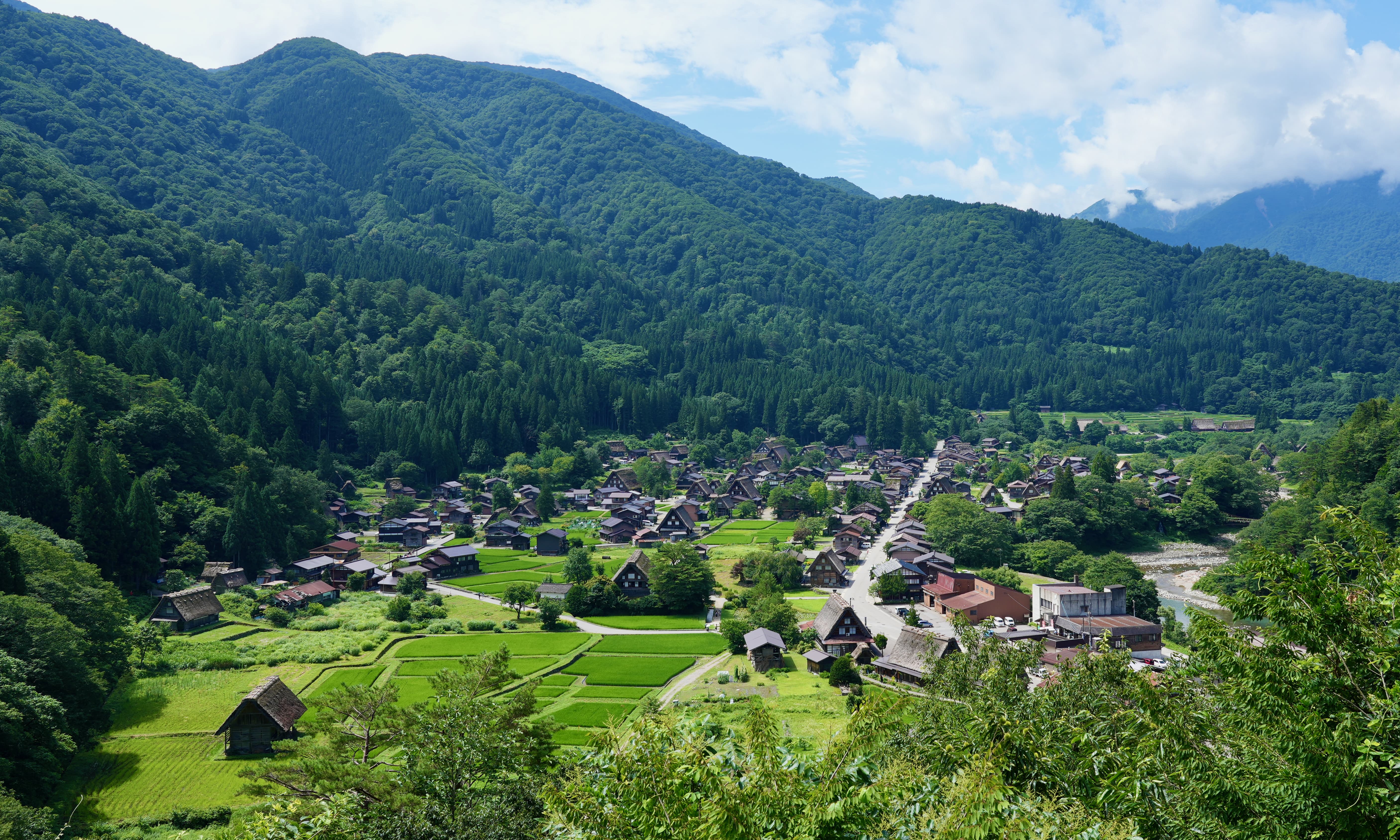
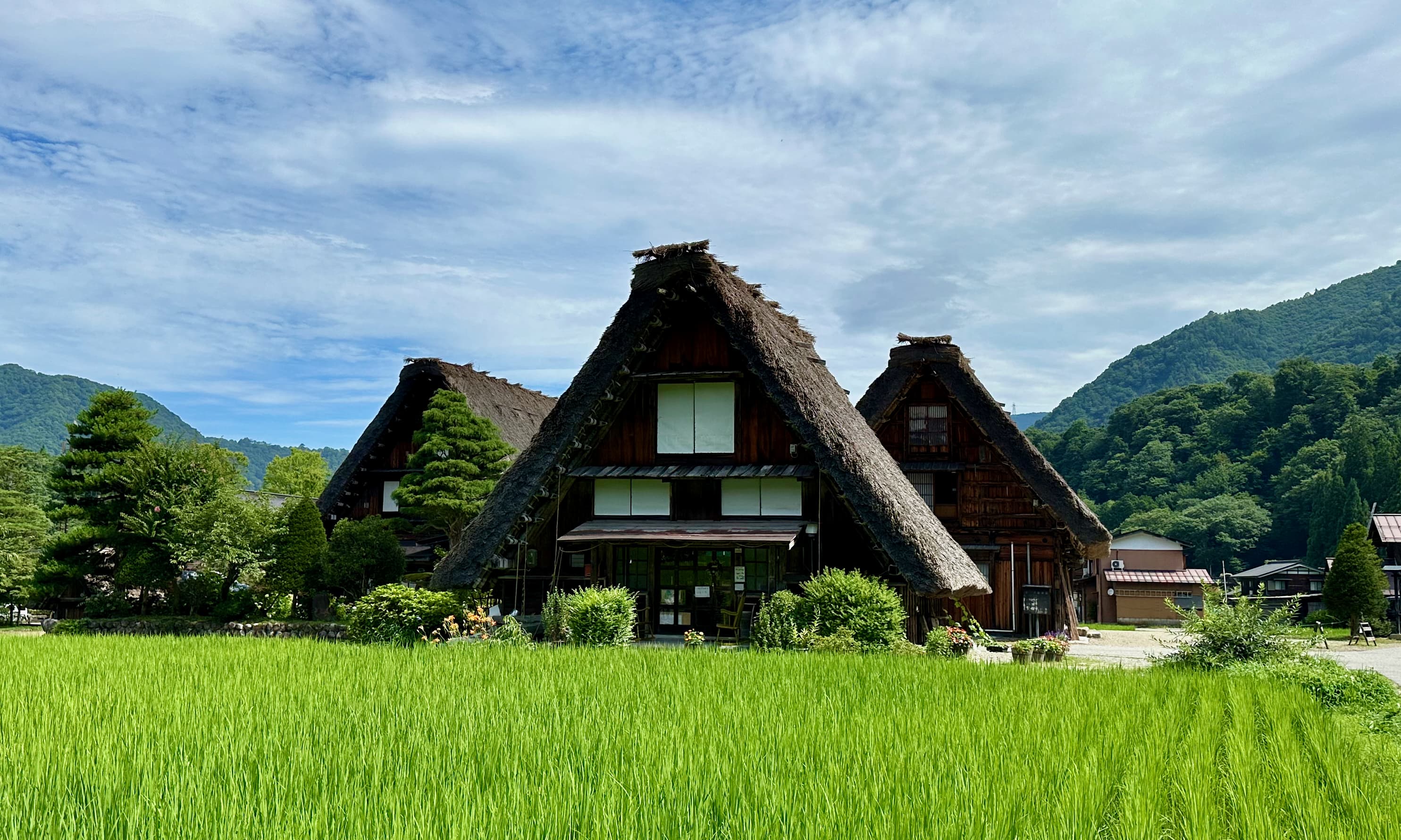
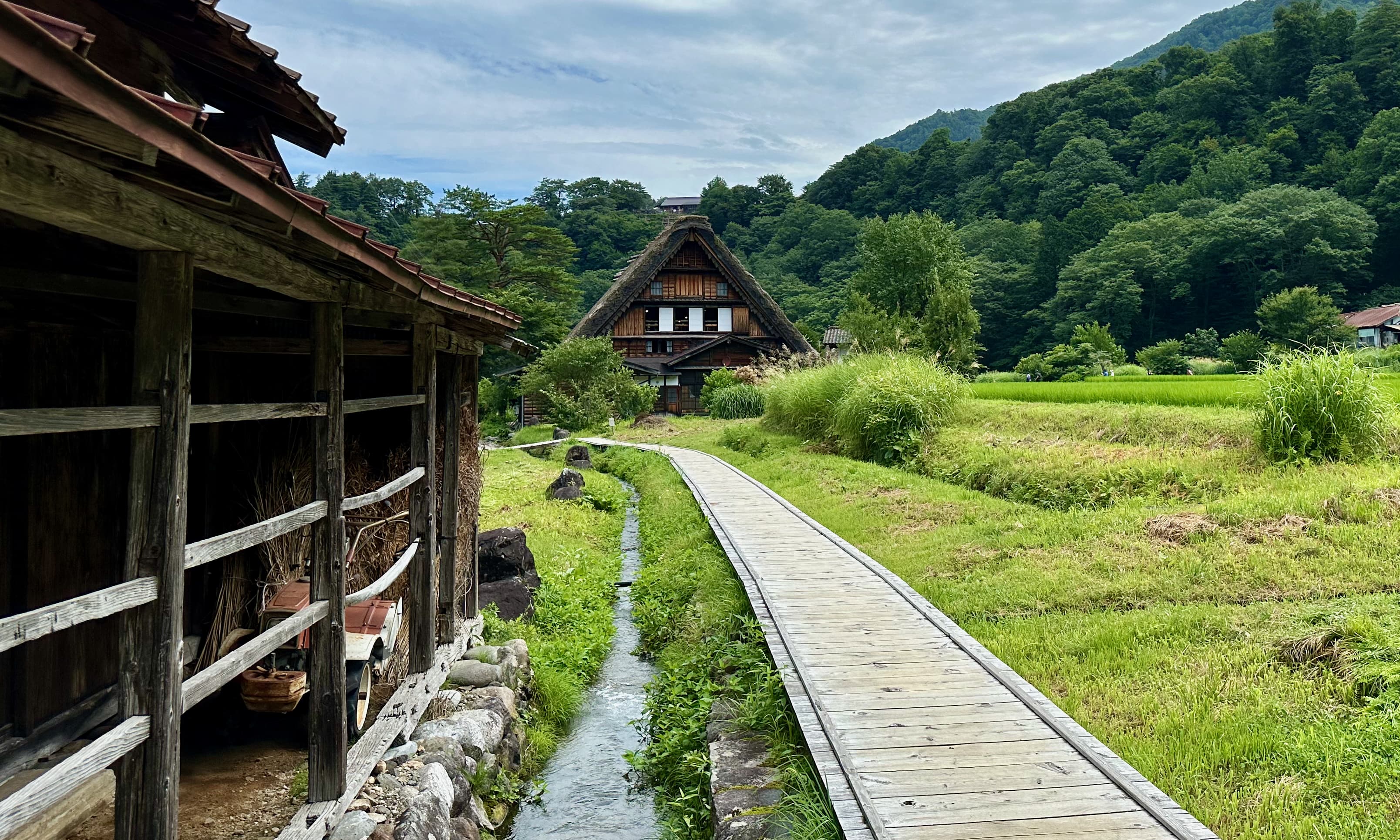
Stepping off the bus felt like walking into a fairy tale. I paused for a moment, blinking in disbelief as I admired the remarkable architecture of this UNESCO-listed village. The sound of the fast-flowing Shogawa River accompanied me as I crossed the suspension bridge into the heart of the village. The iconic farmhouses, with their steep thatched roofs resembling hands pressed together in prayer, gave me an immediate sense of peace and tranquility.
I spotted a local farmer tending to a garden, which made the village feel alive rather than like some open-air museum. I was surprised at how compact and pedestrian-friendly the village was. I could comfortably stroll from the southern edge of the village to the viewpoint trail in the north in about 20 to 30 minutes.
The lifestyle, architecture, and preservation efforts of Shirakawa-go demonstrate how communities have adapted to one of the harshest winter environments on Earth. The steep, 60-degree thatched roofs are a perfect example, allowing heavy snow to slide off naturally and preventing dangerous roof collapses.
The villagers have also taken steps to preserve their heritage. Three strict principles guide the community: do not sell, do not rent, and do not destroy the traditional farmhouses. These principles have protected Shirakawa-go from excessive commercial development while preserving its unique character for future generations. In winter, the village takes on an especially magical atmosphere, with seasonal light-up events illuminating the snow-covered farmhouses and creating a breathtaking nighttime scene.
After a full day of exploring, I was ready to soothe my tired feet with a visit to the Okuhida hot springs. Nestled deep within the dramatic river valleys of the Northern Japanese Alps, this collection of rustic hot spring villages boasts the highest concentration of open-air hot springs in all of Japan. Watching clouds of steam drift into the cool mountain air as I soaked in the mineral-rich waters, with the majestic 3,190-meter peak of Mount Hotaka towering above me, was the perfect way to end an unforgettable day.
It was time for me to return to Nagoya before continuing south into Mie Prefecture to explore Ise and the UNESCO-listed Kumano Kodo. From Nagoya Station, I boarded a Kintetsu Limited Express bound for Ise, reaching Ise Station in just 80 minutes.
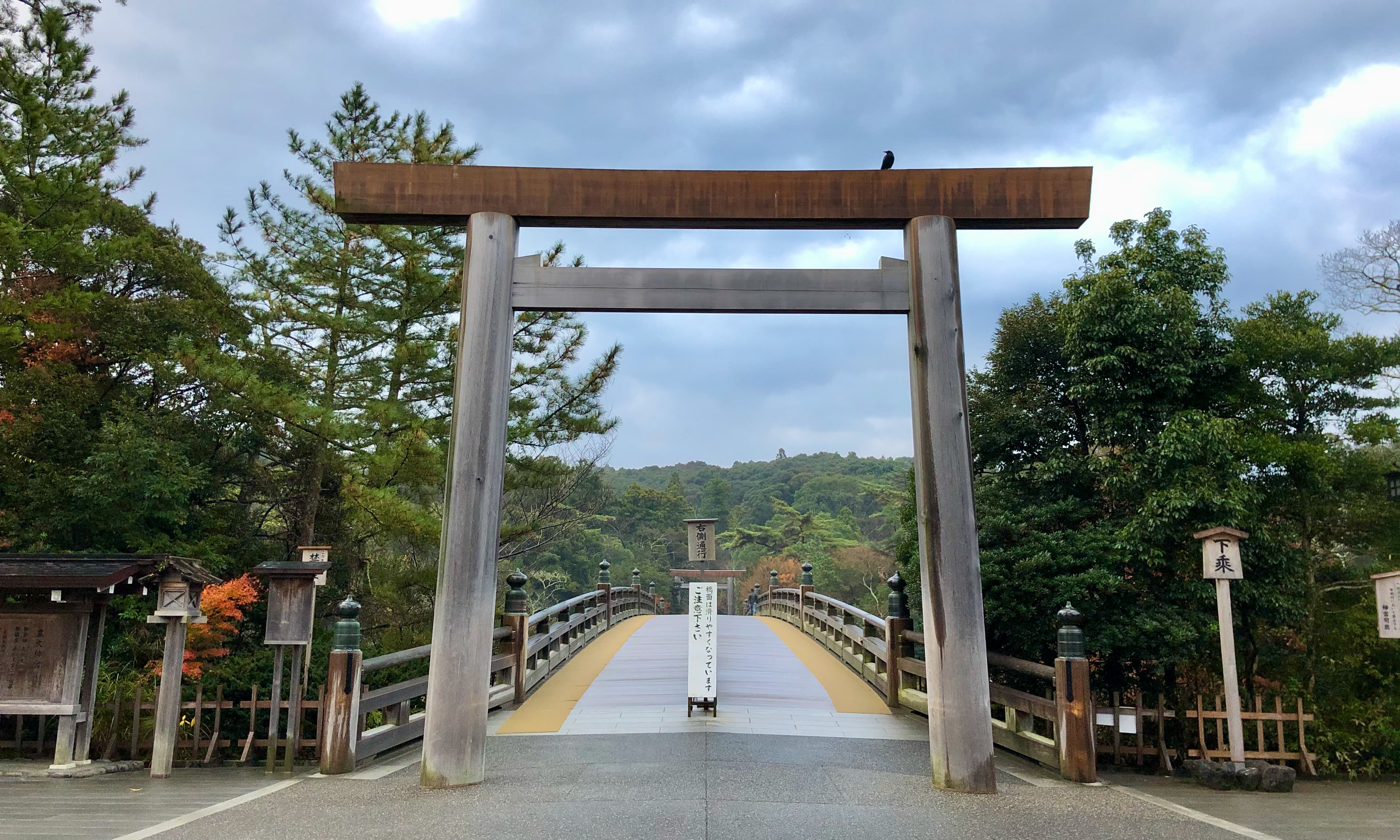
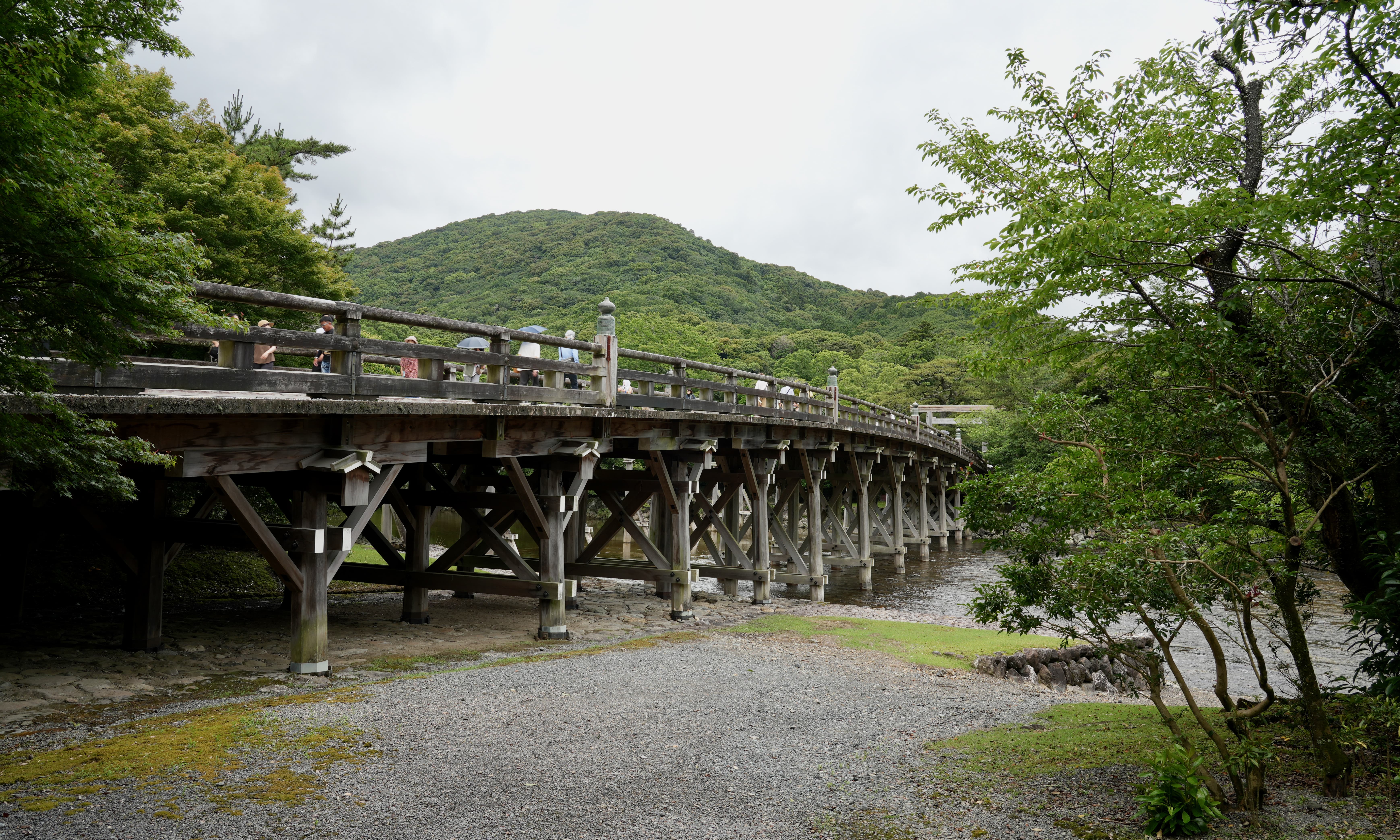
Walking beneath the giant torii shrine gate and into the sacred grounds of Ise Jingu felt like stepping into another world. Gentle sunlight filtered through towering cedar trees and the fresh scent of the forest filled the air, immediately creating a feeling of calm that was the perfect introduction to my morning in Ise.
Although Ise Jingu is one of Japan’s most visited shrines, its expansive forested grounds made me feel as though I had the place to myself. As I wandered the peaceful pathways, it was easy to sense mythology and history blend seamlessly together. With a history spanning some 2,000 years, Ise Jingu is regarded as the spiritual heart of Shinto and has long been a center of Ise worship, drawing pilgrims from across Japan. The Inner Shrine, Naiku, is dedicated to Amaterasu, Japan’s most revered deity, while the shrine’s enduring traditions, including the Shikinen Sengu ritual of rebuilding its sacred buildings every 20 years, connect generations to Japan’s ancient spiritual heritage.
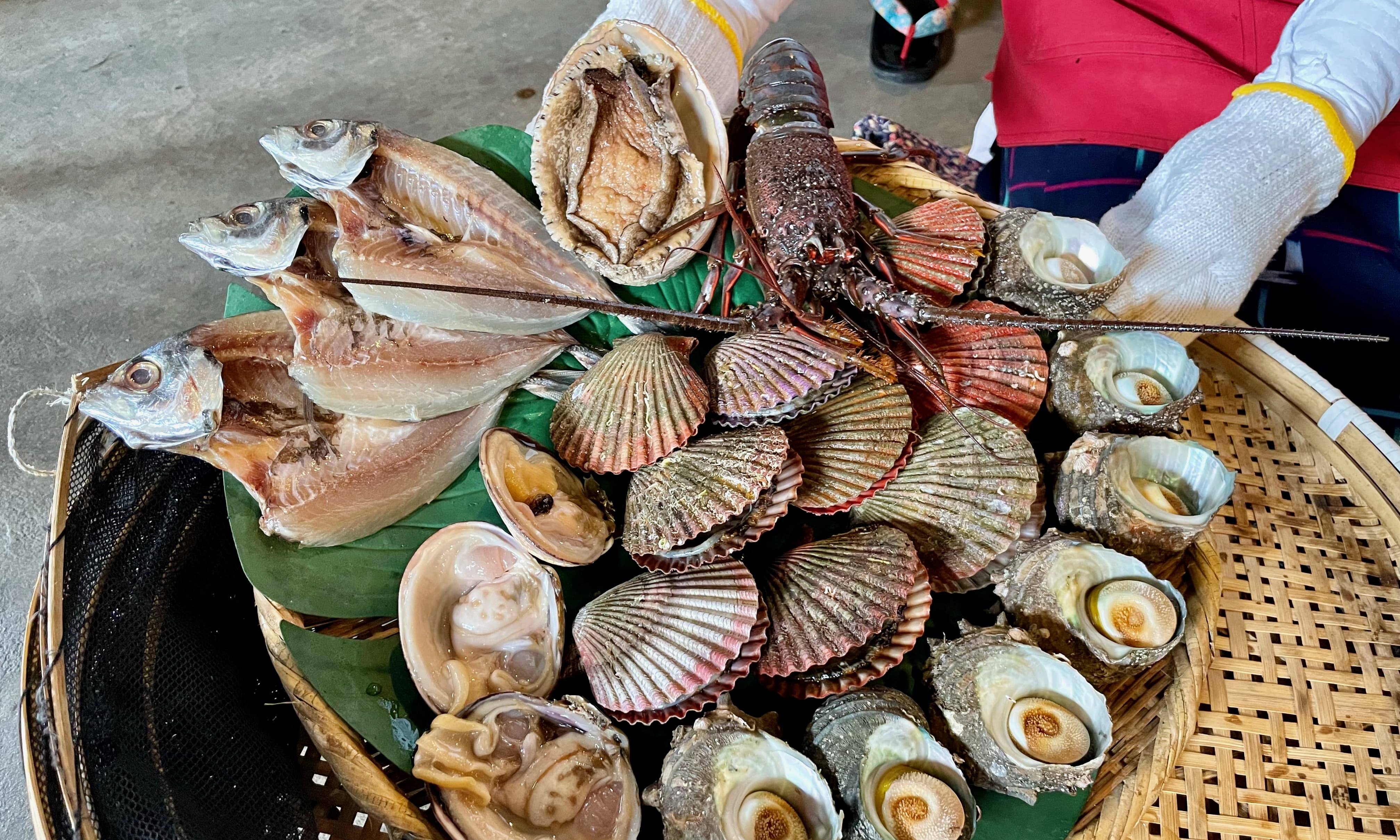
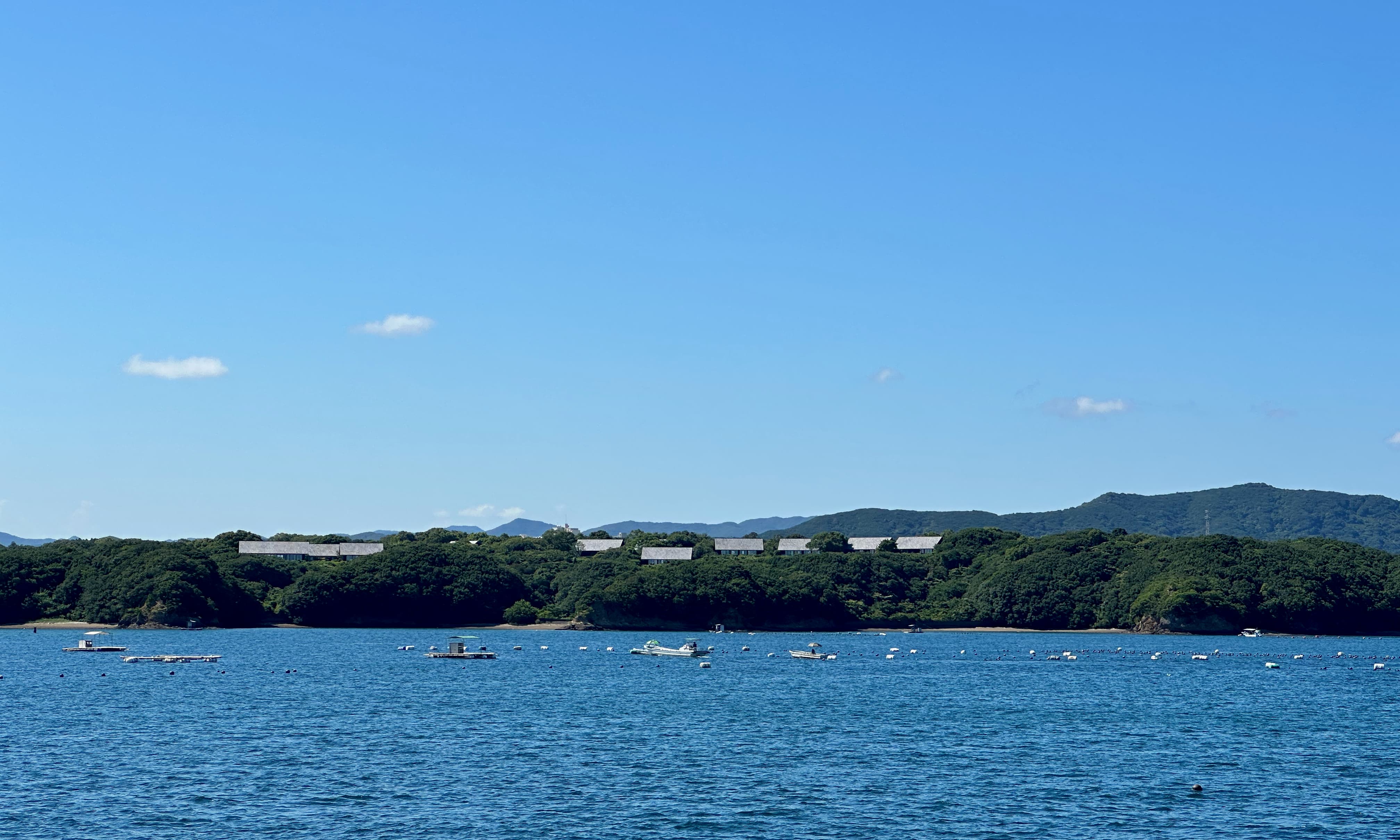
From there, I traveled to the Ise-Shima Peninsula, a beautiful coastal region renowned for its deep spiritual heritage, dramatic ria coastline, and exceptional seafood. Soon after arriving, I was warmly greeted by a smiling elderly woman whose energy made it hard to believe she was already in her eighties. She explained that decades of working as an ama diver had given her incredible stamina and an intimate knowledge of the sea. These traditional female freedivers descend to depths of around 20 meters on a single breath, harvesting seafood and pearls without any breathing apparatus.
Sitting around the glowing charcoal hearth inside a traditional ama hut, I listened as the divers shared stories about their unique way of life while fresh seafood sizzled over the fire and fragrant smoke drifted through the room. What impressed me the most was their commitment to sustainable harvesting, ensuring that the marine ecosystem remains healthy for future generations.
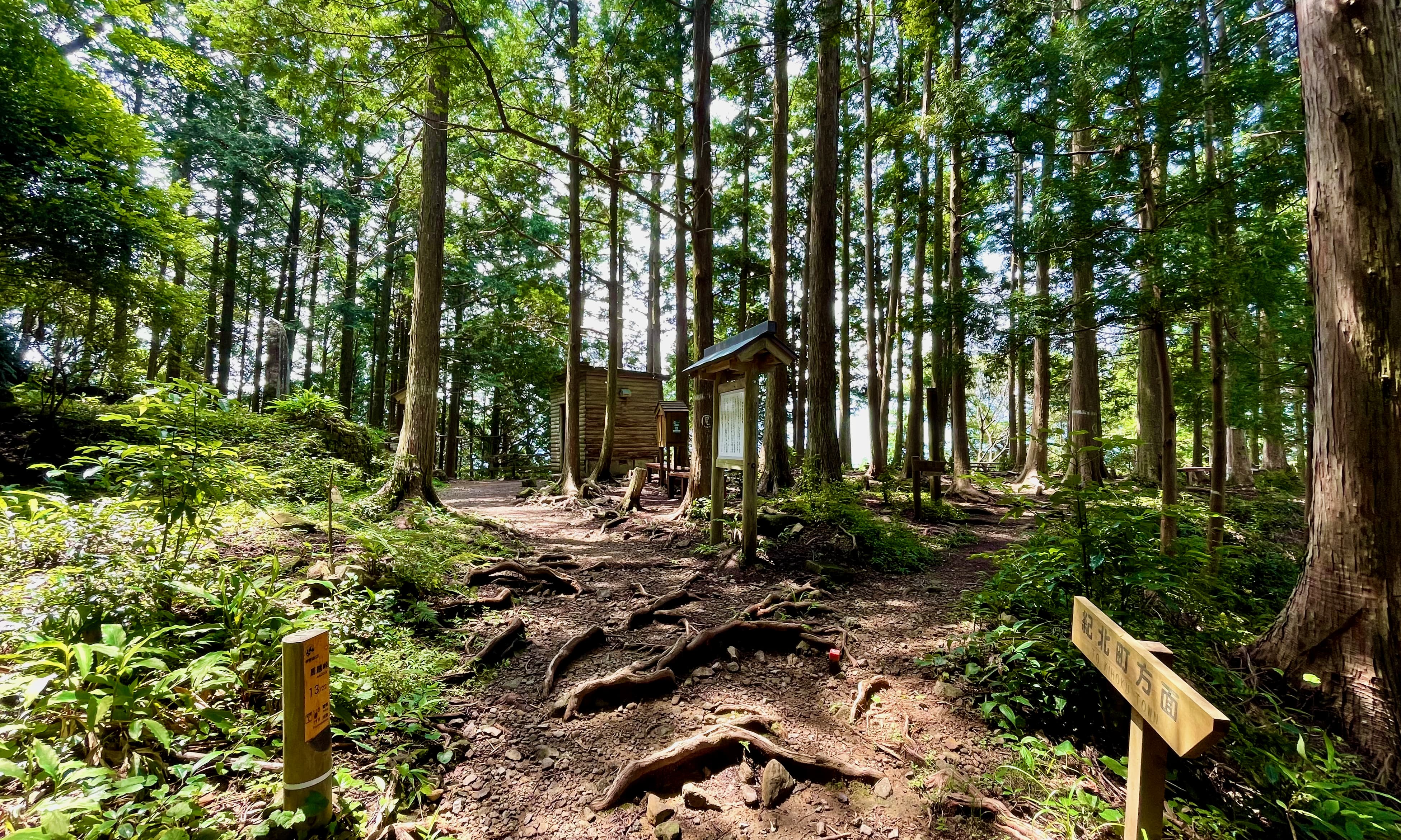
My final destination in Mie Prefecture was the Iseji Route of the Kumano Kodo, a 170-kilometer ancient pilgrimage trail that follows the eastern coast of the Kii Peninsula, linking Ise Jingu with the sacred Kumano Sanzan shrines. I chose to hike the Magose-toge Pass, an enjoyable one-day walk that was easily reached from JR Aiga Station.
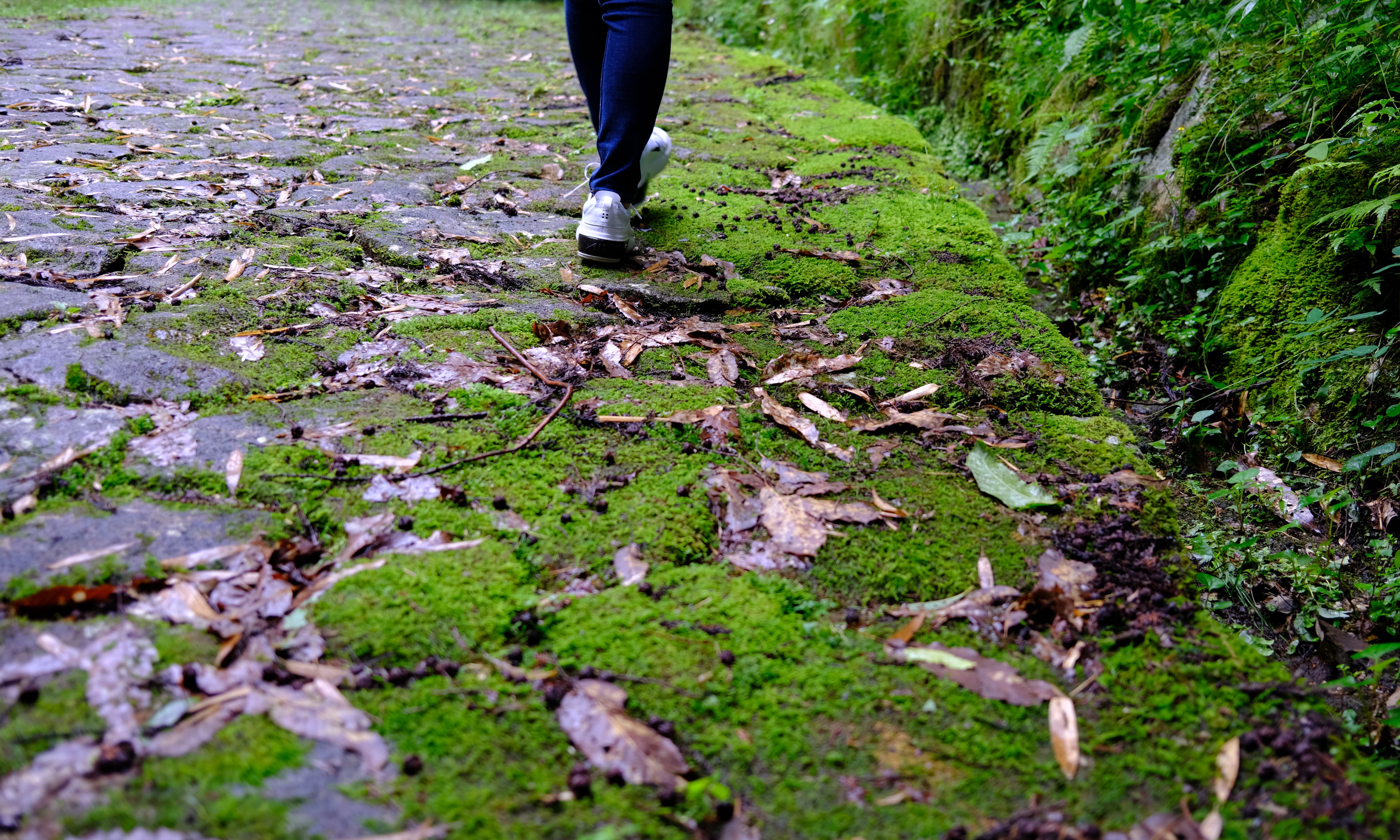
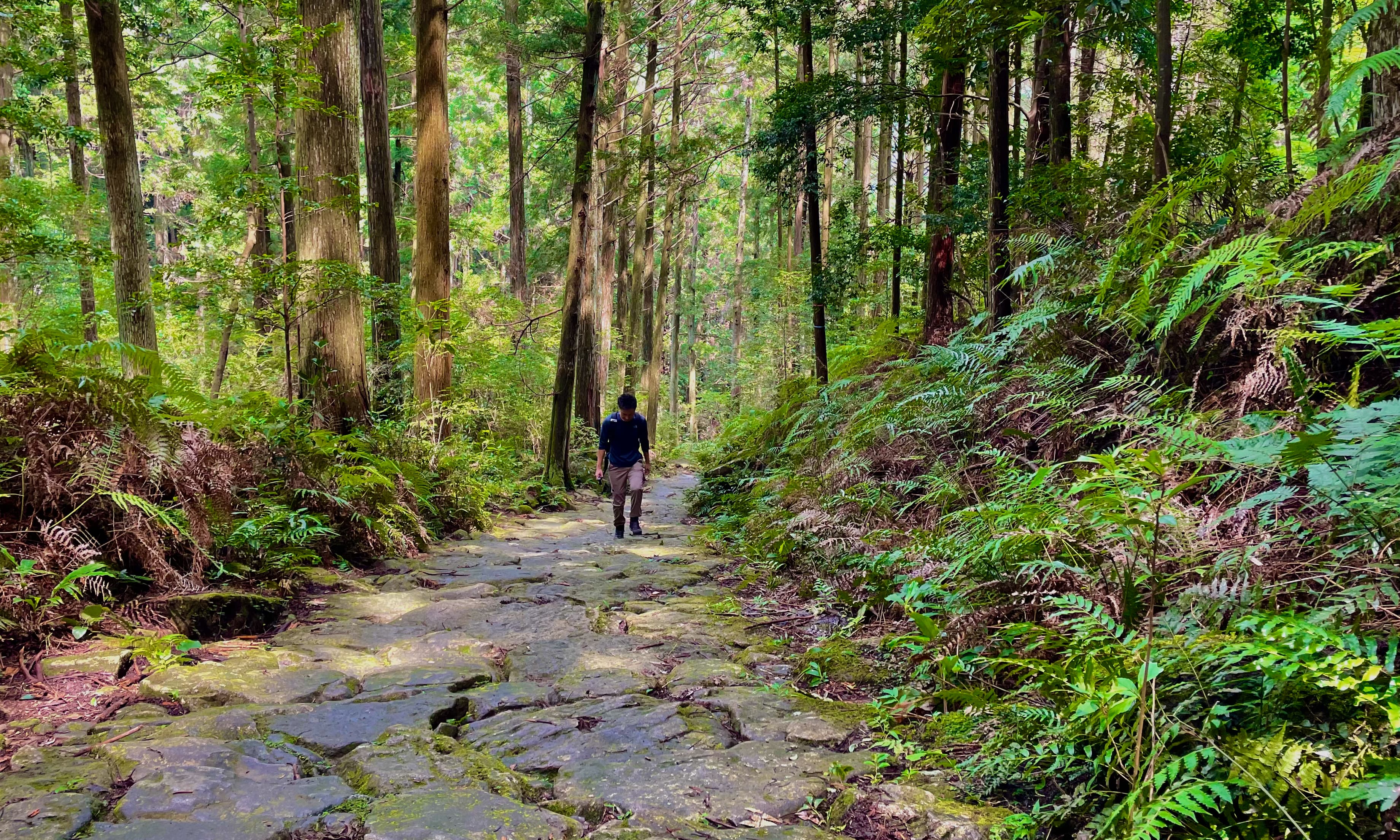
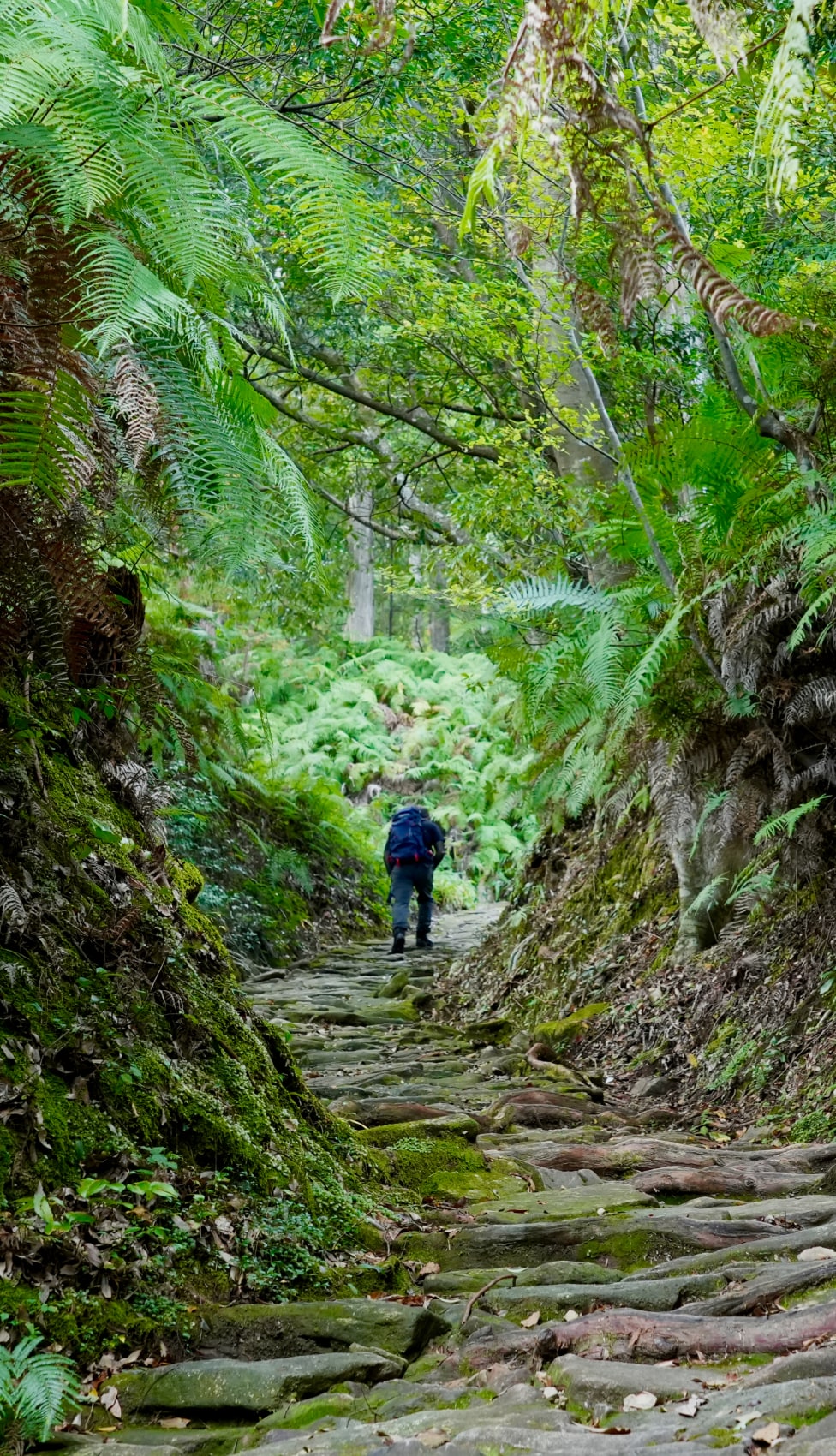
Walking along the ancient cobblestone path through the dense cypress forest felt like leaving the modern world behind. The stone-paved trail wound upward through the forest, where moss-covered Jizo statues quietly watched over passing pilgrims. With each stop, the peaceful surroundings encouraged me to slow down and appreciate the timeless beauty of one of Japan’s most atmospheric pilgrimage routes.
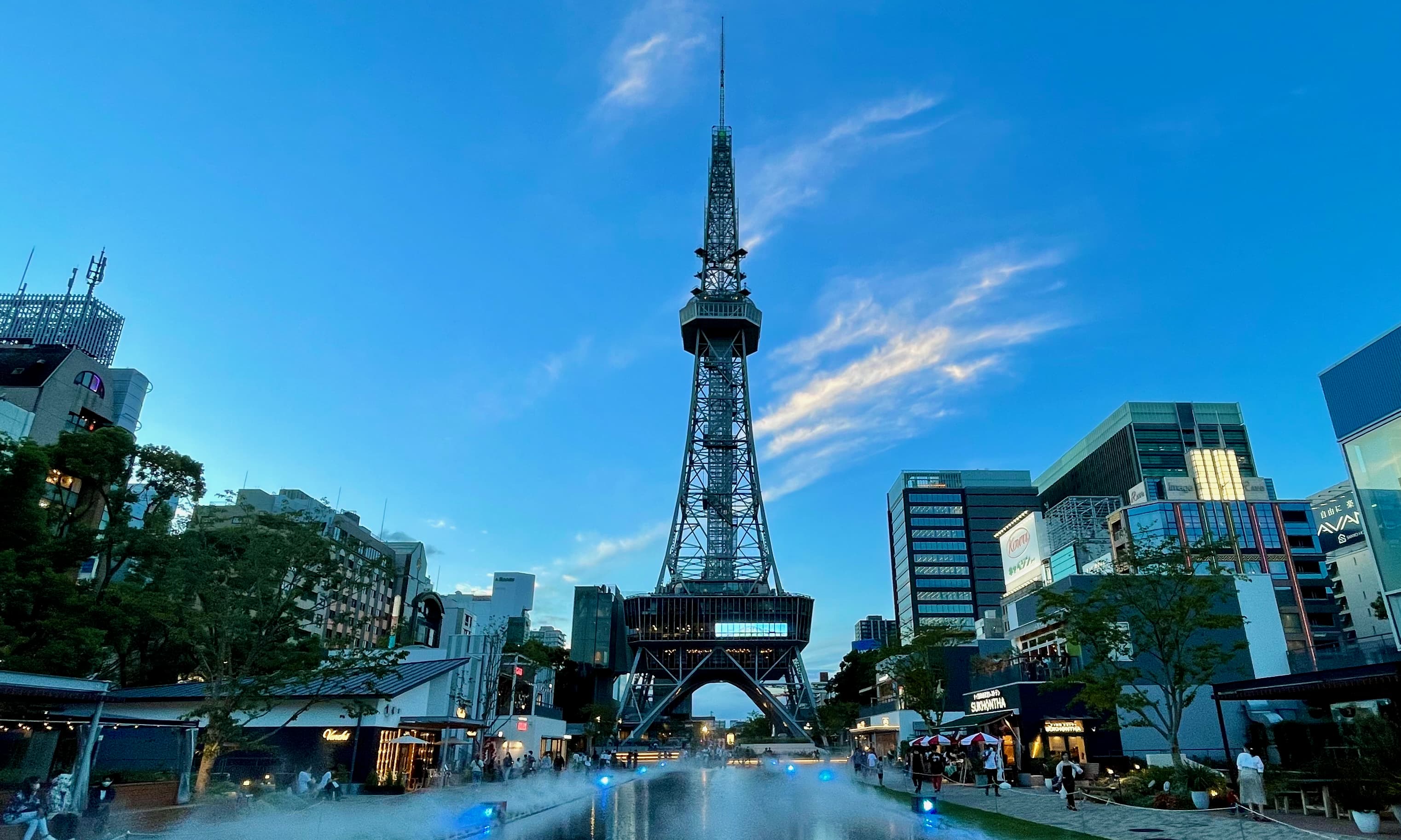
After my unforgettable experience in Mie Prefecture, it was time to head back to my base in Nagoya, Aichi Prefecture. Up until now, I had only used Nagoya as a transport hub during my journey. Now, I wanted to discover Nagoya and Aichi as destinations in their own right.
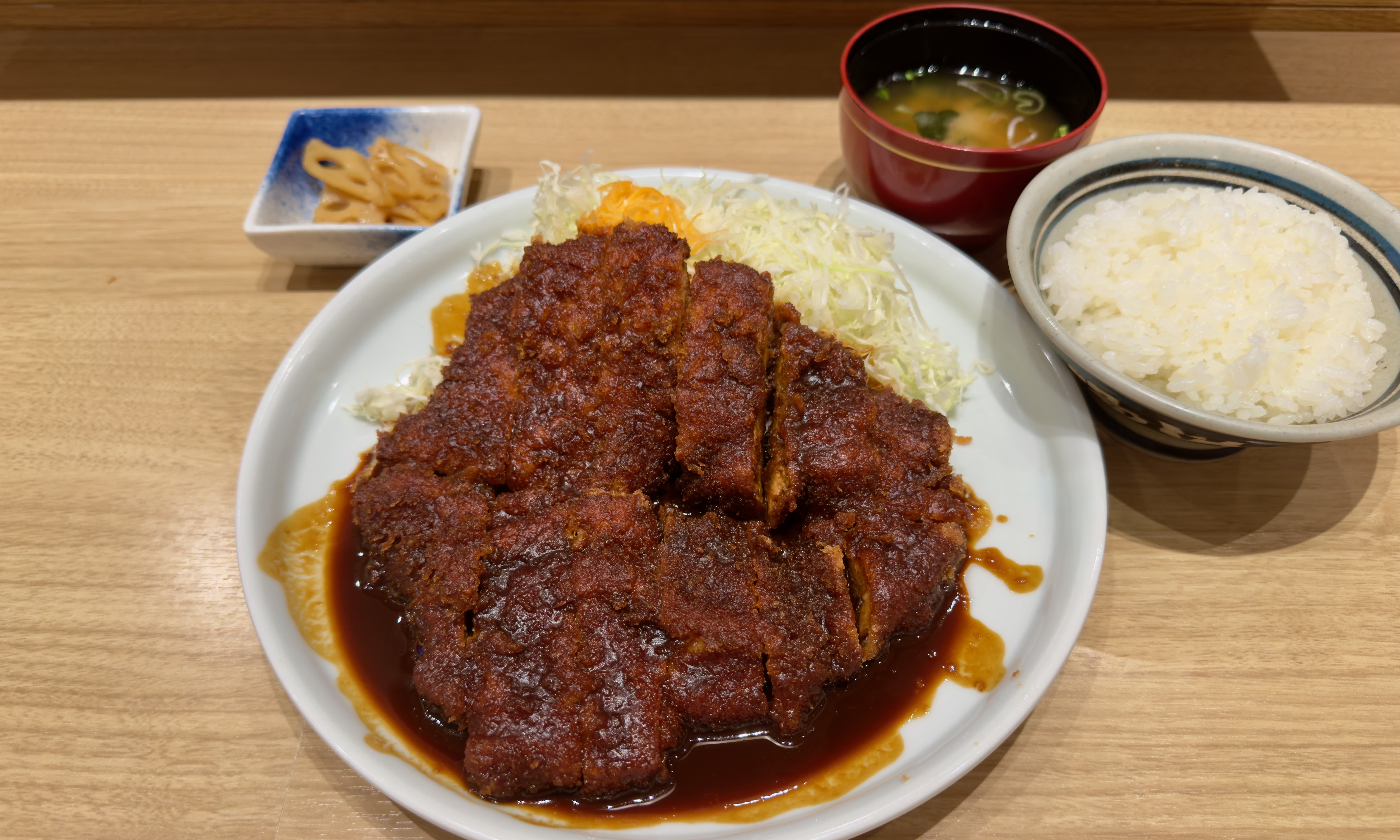
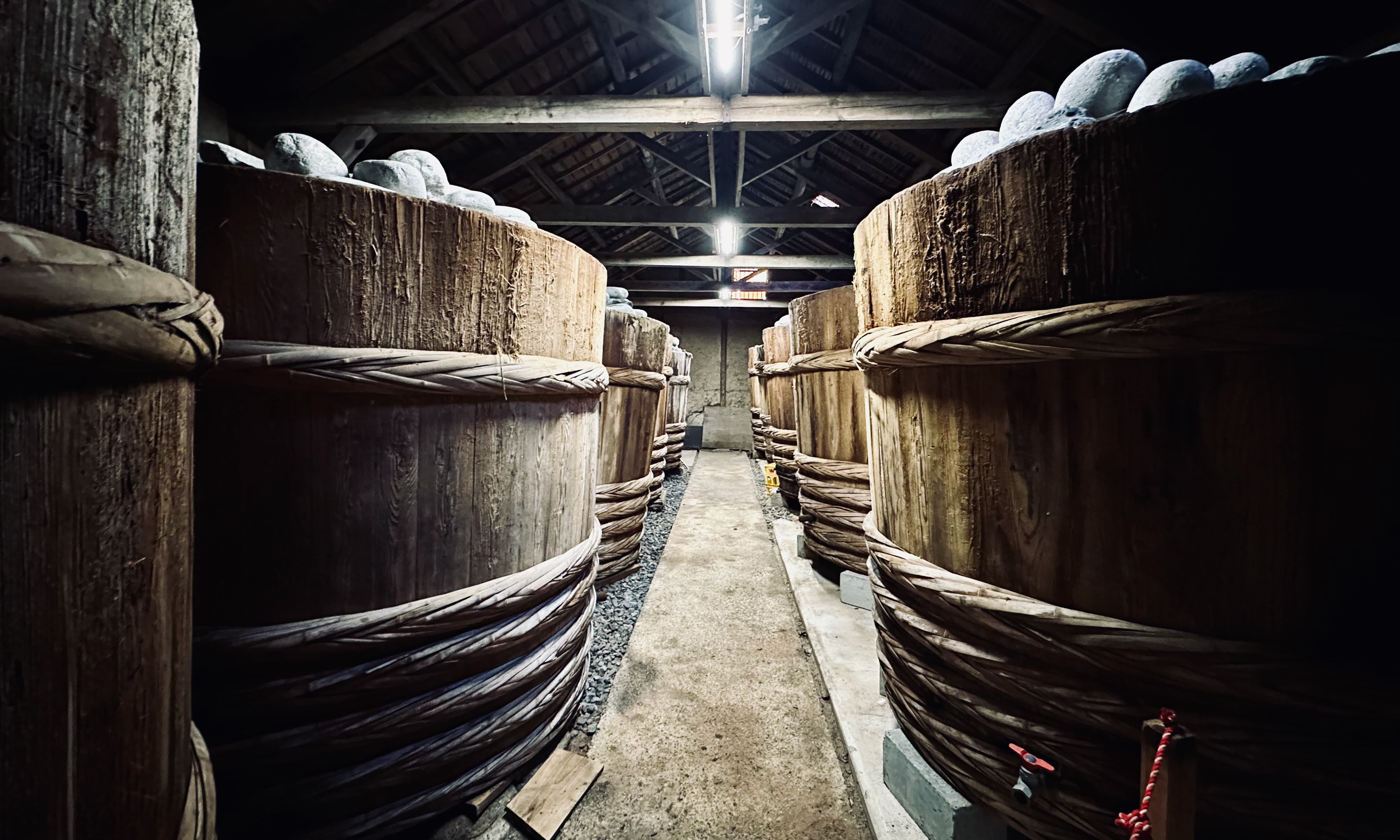
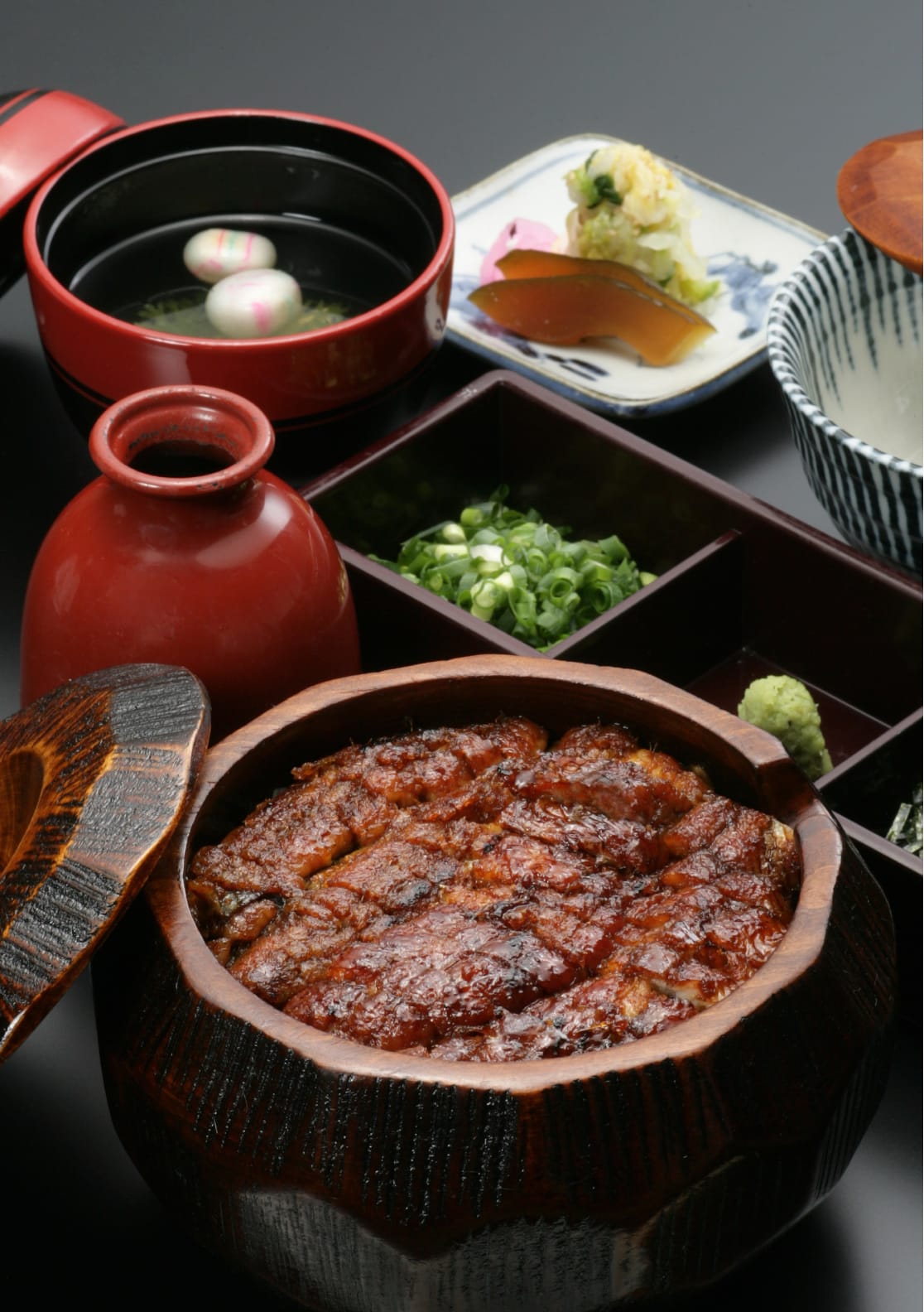
Nagoya is famous for its distinctive food culture, known as Nagoya meshi, which features bold, hearty dishes built around Hatcho miso, rich soy sauces, and locally raised poultry. The Nagoya area also has a long-standing tradition of fermented foods, which has played an important role in shaping the region’s cuisine. Developed over centuries, this food culture reflects the region’s history, local ingredients, and independent culinary traditions. The dish that I was most eager to try was Miso Katsu, one of Nagoya’s signature dishes: a deep-fried pork cutlet drizzled with a thick, red miso sauce.
The rich aroma of sweet miso sauce filled the air as I eagerly took my first bite. The crisp coating gave way to tender pork beneath a thick, glossy Hatcho miso sauce that balanced sweetness with a deep savory richness. After experiencing Nagoya’s buzzing streets and vibrant food culture, I was ready for a slower pace in the rural landscapes of eastern Aichi.
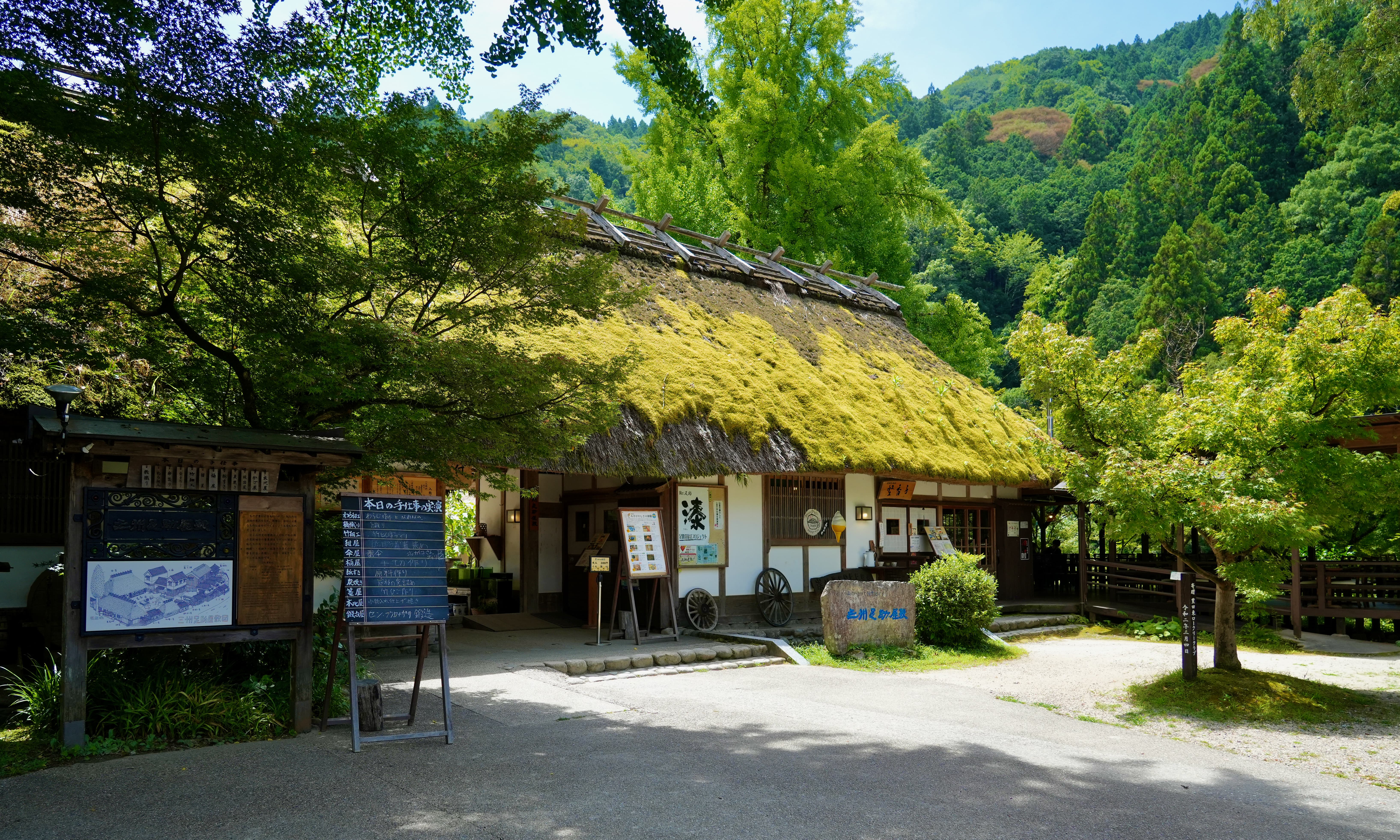
Near the end of my journey, I stopped in Asuke, a historic town in the Mikawa region of eastern Aichi Prefecture. Strolling the narrow streets of Asuke gave me a glimpse into Japan’s Edo-period past. This charming town once thrived as a post town and commercial center on the historic Salt Road. The beautifully preserved wooden merchant houses and small family-run shops give the town an authentic character rather than the feel of an open-air museum. I enjoyed chatting with one of the local artisans at Sanshu Asuke Yashiki, a recreated rural village. The artisan patiently demonstrated the traditional art of Japanese papermaking. This was a fantastic opportunity to learn firsthand about Japan’s rural heritage and craftsmanship.
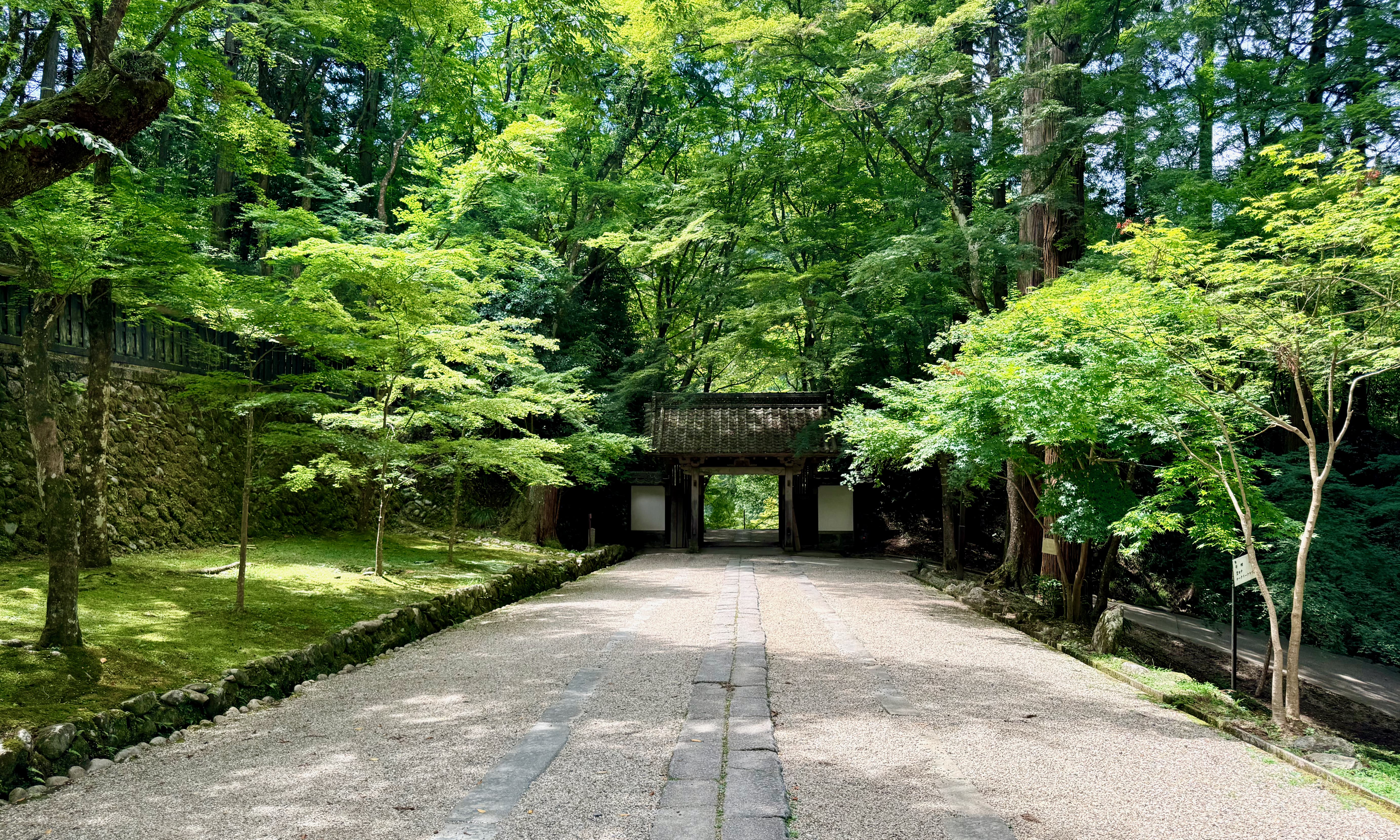
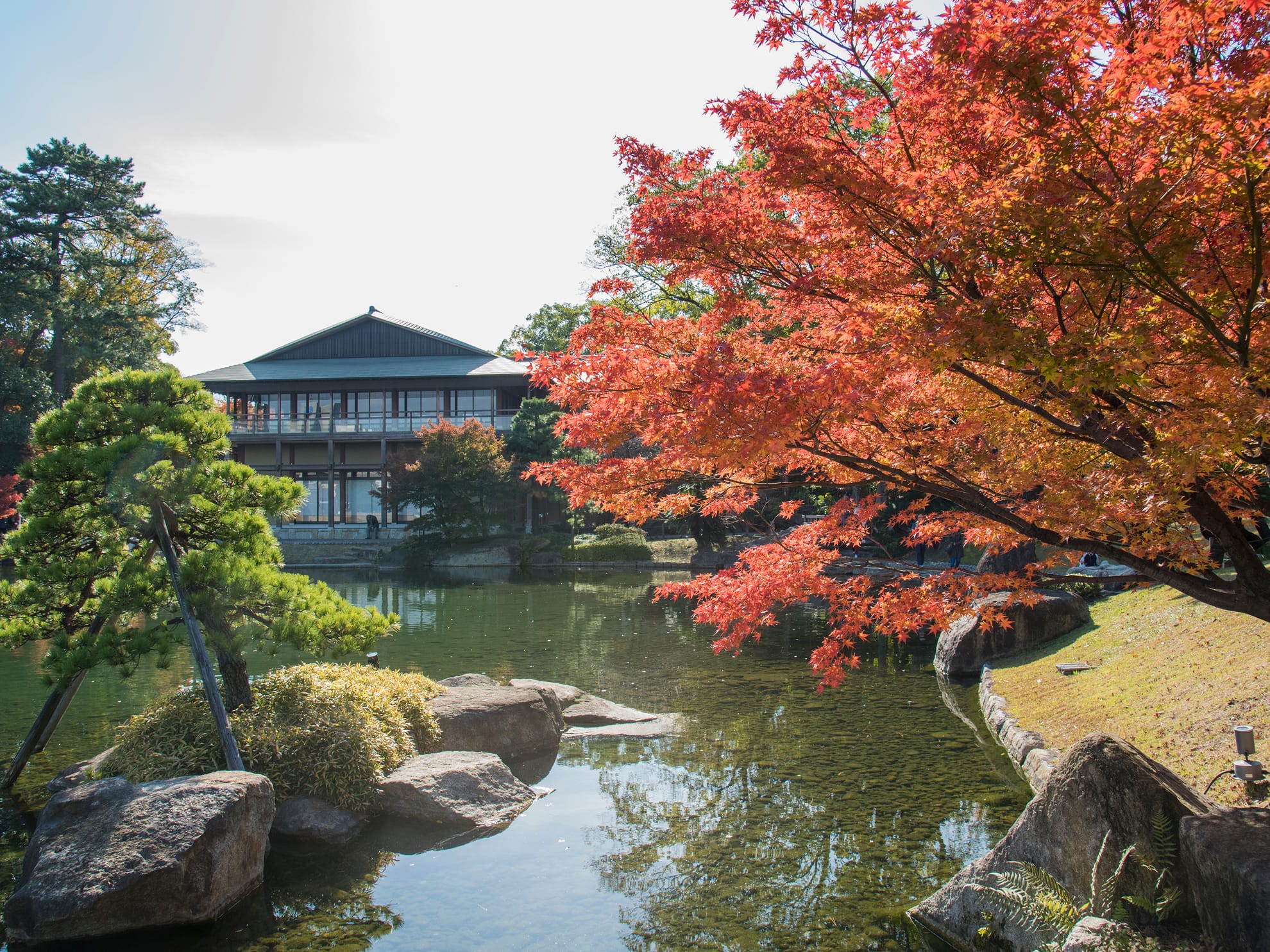
After spending the morning exploring Asuke’s historic streets, I took a short bus ride to Korankei’s maple-lined valley. The gentle roar of the Tomoe River, combined with the soft crunch of fallen leaves beneath my feet, accompanied me as I wandered beneath Korankei’s dense canopy of maple trees. The iconic red arch of the Taigetsukyo Bridge emerged ahead, offering me sweeping views of vivid maple trees reflected in the rushing waters below. This iconic valley, about an hour from Nagoya, is a rewarding destination throughout the year, but it truly comes alive in autumn, when thousands of maple trees transform the valley into a spectacular tapestry of reds, oranges, and golds.
My journey through central Japan revealed a side of Japan that many international visitors never experience, one that offered a richer, slower, and ultimately more rewarding travel experience. I highly recommend this part of the country to travelers seeking authenticity, spectacular scenery, and a slower, more relaxed pace. Looking back on my journey, I especially remember exploring beautifully preserved historic towns without all the crowds and walking stretches of the ancient Nakasendo and Kumano Kodo pilgrimage routes, where every step felt like a journey through Japan’s past. The breathtaking mountain and coastal landscapes, warm local hospitality, authentic culture, and unforgettable regional cuisine are memories I will carry with me for years to come.